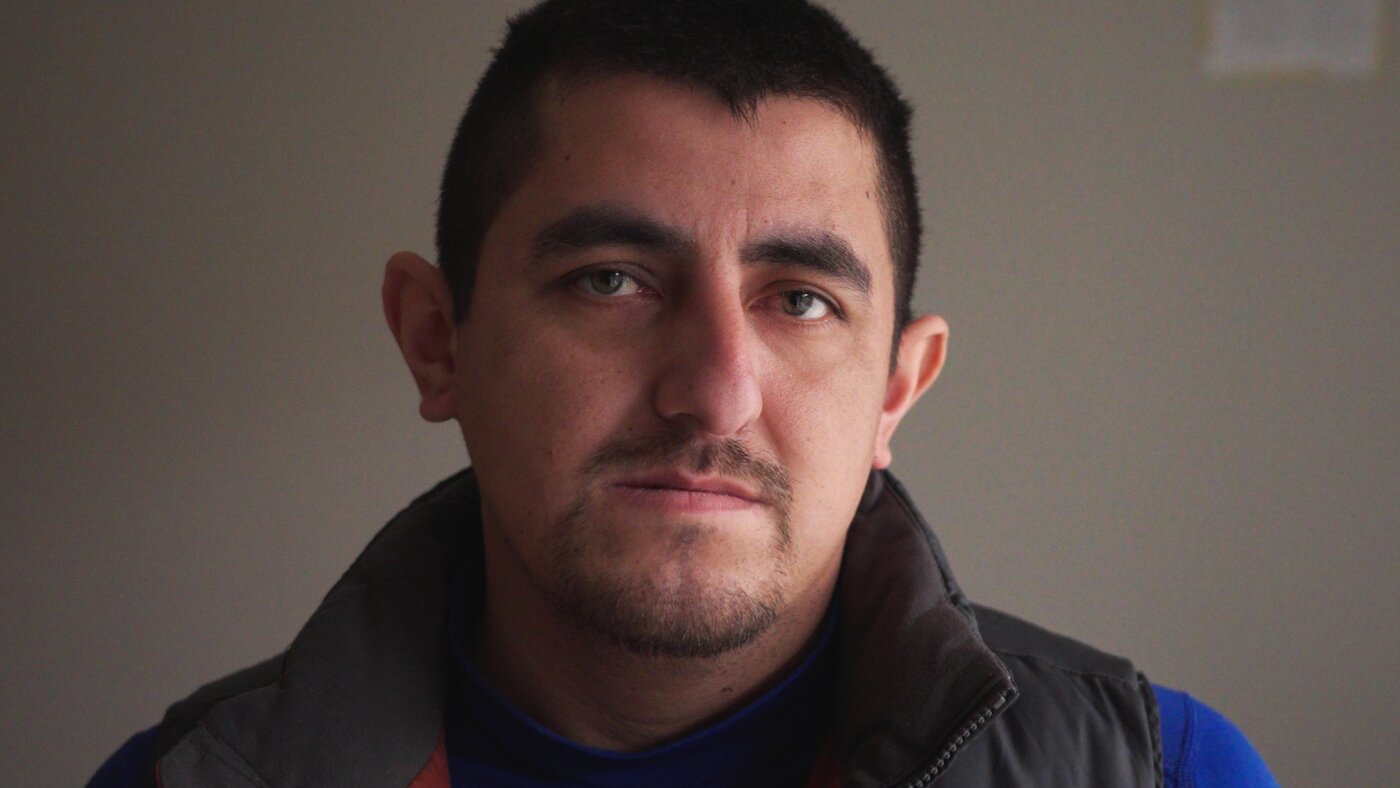
A Journey from Trauma to Hope: The Story of Alberto Castañeda Mondragón
In a harrowing account of alleged excessive force by immigration officers, Alberto Castañeda Mondragón’s story has become a focal point for discussions on immigration enforcement practices in the U.S. His experience sheds light on the challenges faced by immigrants and the repercussions of enforcement actions.
MINNEAPOLIS — After a violent encounter with immigration officers, Alberto Castañeda Mondragón struggles to piece together fragments of his past. The physical trauma he endured has left indelible scars, both mentally and physically.
On January 8, Castañeda Mondragón was forcefully removed from a friend’s vehicle by Immigration and Customs Enforcement (ICE) agents outside a shopping center in St. Paul. He alleges the officers handcuffed him, beat him with a steel baton, and continued to assault him at a detention facility.
His injuries were severe, including eight skull fractures and multiple brain hemorrhages, leading to confusion and memory loss, as he recounted to The Associated Press. Despite the gravity of these injuries, the federal government has not investigated his claims of excessive force.
Disputed Accounts of the Incident
ICE officers reportedly claimed that Castañeda Mondragón ran headfirst into a wall, a narrative that medical professionals have questioned. A CT scan revealed fractures inconsistent with such an explanation, pointing instead to the use of a telescoping baton, known as an ASP, typically carried by law enforcement.
Use-of-force guidelines typically restrict baton strikes to non-lethal areas, such as the arms and legs. Former Baltimore police lieutenant Joe Key noted that striking the head constitutes potentially deadly force, only justifiable if the individual poses a lethal threat.
After being taken to the ICE facility at Ft. Snelling, Castañeda Mondragón claims the abuse continued, with officers laughing and ignoring his pleas for mercy. The Department of Homeland Security, of which ICE is a part, has declined to comment on the situation.
Video Evidence and Public Outcry
Footage posted online shows Castañeda Mondragón stumbling as ICE officers escort him, prompting bystanders to express concern for his safety. Although the video has not been publicly released, Castañeda Mondragón confirmed its authenticity.
Healthcare professionals who treated him at Hennepin County Medical Center described his injuries as inconsistent with the officers’ account, reinforcing calls for accountability. Minnesota law mandates reporting of suspected crimes by healthcare workers, but it remains unclear if this was done.
Political and Legal Reactions
The case has drawn attention from Minnesota officials, with Governor Tim Walz and other leaders calling for an investigation. In a social media post, Walz emphasized the need for lawful conduct by law enforcement, echoing public sentiment for transparency and justice.
Castañeda Mondragón’s arrest occurred amidst heightened tensions following fatal shootings by immigration officers in Minneapolis, fueling protests and demands for policy reform.
A Personal Struggle and Future Uncertainties
Originally from Veracruz, Mexico, Castañeda Mondragón entered the U.S. legally in 2022 but overstayed his visa. He has no criminal record and was supporting his family through various jobs. The lasting effects of his injuries raise concerns about his ability to continue providing for his loved ones.
While his physical bruises have healed, the psychological impact persists. Despite the challenges, he expresses hope for recovery and a desire to remain in the U.S., drawing a distinction between the support he has received from the Minnesota community and the actions of ICE officers.
As he navigates this difficult period, Castañeda Mondragón has found support from local residents and has initiated a GoFundMe campaign to assist with his medical expenses and living costs. His journey highlights the broader issues of immigration enforcement and human rights, resonating with many who advocate for compassionate and fair treatment of all individuals.
This article was originally written by www.npr.org