FBI Investigation into Georgia’s 2020 Election Raises Questions
In a significant development concerning the 2020 election investigations, an FBI probe into Georgia’s Fulton County has brought to light new details. According to an affidavit recently unsealed, the investigation was launched following a referral from a lawyer affiliated with the Trump administration, Kurt Olsen, who played a crucial role in former President Donald Trump’s attempts to contest the election outcome.
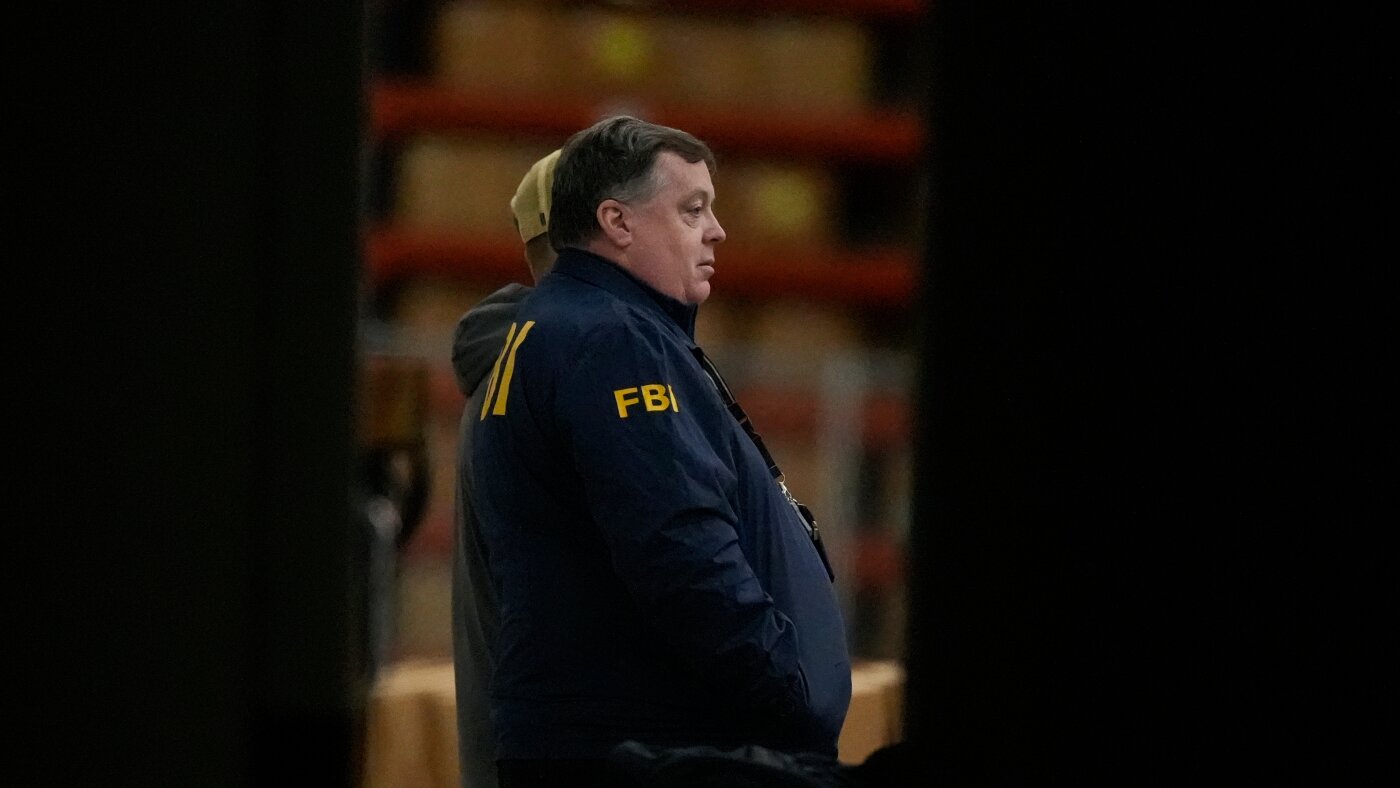
The affidavit, composed by FBI Special Agent Hugh Raymond Evans, was pivotal in obtaining a search warrant for the Fulton County election hub located near Atlanta. The FBI executed the warrant on January 28, seizing more than 650 boxes of ballots and other election-related materials from 2020.
Despite the investigation’s focus on alleged election improprieties, the claims have been widely discredited and debunked. Notably, the ballots in Fulton County were counted three times, with each count confirming the election results.
The affidavit states, “This warrant application is part of an FBI criminal investigation into whether any of the improprieties were intentional acts that violated federal criminal laws.” The investigation centers on five specific “deficiencies or defects” related to the election and its subsequent tabulation.
Nonetheless, state officials have already dismissed several of these claims, including accusations about missing scanned ballot images, as state law did not mandate their retention at that time. For more details, refer to the official affidavit document.
Georgia Secretary of State Brad Raffensperger, who resisted Trump’s efforts to overturn the election, expressed skepticism about the probe. Raffensperger, now a gubernatorial candidate, stated, “As Secretary of State, I’ve made Georgia the safest and most secure place to vote. Instead of wasting time and tax dollars trying to change the past with baseless and repackaged claims, let’s focus our efforts on building a safer, more affordable future for all hardworking Georgians.”
The White House has not yet responded to inquiries about Olsen’s involvement in the matter. Olsen’s role was previously highlighted as integral to Trump’s unsuccessful strategy to challenge the election results in Georgia and other battleground states. Explore more about Olsen’s background and involvement here.
David Becker, former Justice Department official and executive director of the Center for Election Information & Research, criticized the affidavit’s content, remarking, “After more than five years, dozens of court cases, and over a year in total control of the federal government, this is all they’ve got?” Becker suggested that the affidavit indicates “human error after a late night during a global pandemic, all of which had no impact on the outcome of the race.”
The affidavit does not provide any evidence or indication of foreign interference in the election, raising questions about the involvement of Director of National Intelligence Tulsi Gabbard, who was present during the FBI’s search. In a recent letter to Democratic lawmakers, Gabbard defended her participation, stating she facilitated a brief phone call between Trump and the FBI agents. According to Gabbard, “Trump did not ask any questions, nor did he or I issue any directives.”
Meanwhile, Trump and his allies continue to challenge the 2020 election results, claiming victory and pursuing federal control over future elections. This includes efforts such as suing states for unredacted voter rolls and proposing that Republicans “nationalize” elections, as reported here.
An FBI employee stands inside the Fulton County election hub near Atlanta as the FBI executes a search warrant for 2020 election materials on January 28. Mike Stewart/AP
This article was originally written by www.npr.org