Online Reactions to a Tragic Event Lead to Legal Battles and Controversy
In the months following the assassination of conservative activist Charlie Kirk, the United States has witnessed a surge in legal actions stemming from individuals’ online comments about the incident. These cases highlight the tension between free speech and social consequences in the digital age.
One of the most notable cases involves Larry Bushart, a retired police officer from Lexington, Tennessee. Known for his progressive views and active online presence, Bushart found himself at the center of a legal maelstrom after posting memes that criticized Republican mourning over Kirk’s death. His posts caught the attention of local authorities, leading to an unexpected visit from the police.
According to Bushart, the officers were unclear about their purpose, only stating it related to a Facebook post. “They were very vague. I don’t think they understood why they were there, but that it involved a Facebook post,” he recalled.
The visit was prompted by Sheriff Nick Weems of Perry County, Tennessee, who objected to Bushart’s use of a quote from former President Trump that urged people to “get over” a past school shooting. The sheriff interpreted the post as a potential threat to a local school sharing the same name as the one in the meme.
Despite Bushart’s insistence that he meant no harm and was merely engaging in a discourse about Kirk, he was arrested after refusing to remove the post. Bushart spent 37 days in jail, unable to pay a $2 million bond. Public outcry eventually led prosecutors to drop the charges, and Bushart is now pursuing legal action with the help of the Foundation for Individual Rights and Expression (FIRE).
FIRE attorney David Rubin commented on the situation, stating, “We forget, I think, sometimes that local government officials have extraordinary power to do things like throw you in prison or yanking business permits. Anytime one of them thinks, ‘I’m going to punish someone for their speech,’ it’s a really big, huge problem.”
The wave of lawsuits extends beyond Bushart’s case, with at least 13 individuals claiming they were terminated for their statements regarding Kirk. Rubin described this phenomenon as an extension of “cancel culture,” which he believes targets individuals’ livelihoods.
In a related development, the American Federation of Teachers has filed a lawsuit against the Texas Education Agency. The lawsuit challenges the agency’s directive for superintendents to report teachers who shared “inappropriate content” about Kirk, a move supported by Texas Gov. Greg Abbott. Of the 354 complaints received, 95 remain under investigation.
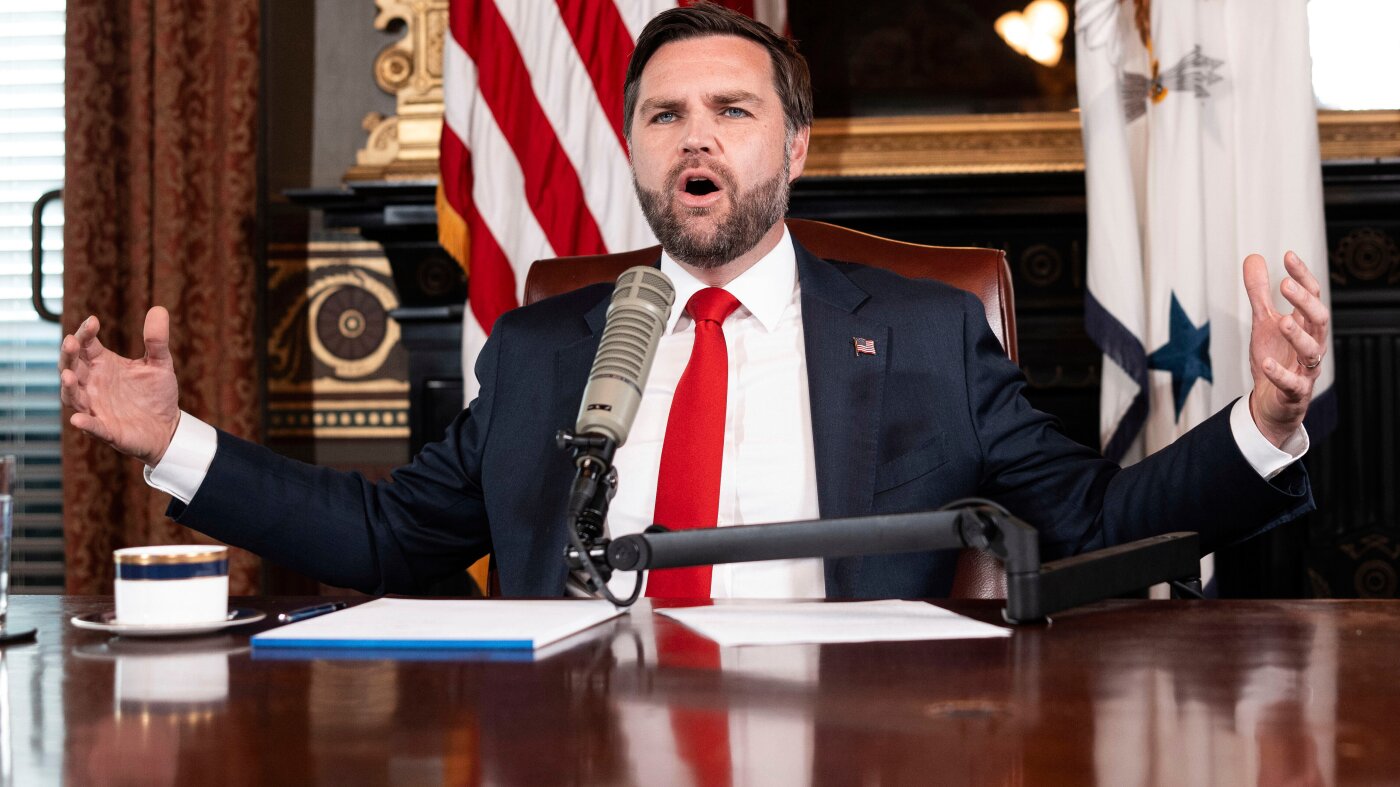
Vice President Vance’s public statements also contributed to the controversy. Hosting Kirk’s podcast shortly after the assassination, he urged listeners to “call out” those celebrating Kirk’s death and even encouraged contacting their employers.
Jessica Levinson, a law professor at Loyola Law School, sees parallels between the current situation and the cancel culture of 2020. “It’s the same broad idea in the sense of ‘We want people to feel an impact, feel a consequence for their statements,'” she explained.
However, Levinson noted legal distinctions in 2025, particularly regarding government officials’ potential coercion of employers. This dynamic was evident in the case of a South Dakota art professor who faced dismissal for derogatory remarks about Kirk. When Gov. Larry Rhoden publicly supported the firing, it inadvertently strengthened the professor’s First Amendment defense.
Legal representation from attorney Jim Leach led to a federal court issuing a temporary restraining order, allowing the professor to retain his position. “He was thrilled to get back in the classroom, which is where he wants to be,” Leach stated.
This article was originally written by www.npr.org