House Approves Funding to End Historic DHS Shutdown, Excludes Immigration Agencies
In a significant legislative move, the House of Representatives has voted to reopen the majority of the Department of Homeland Security (DHS), concluding the longest shutdown of a U.S. federal agency. The bill, however, deliberately omits funding for key immigration bodies.
The newly passed bill, approved by voice vote on the 76th day of the shutdown, allocates resources to DHS but notably excludes Immigration and Customs Enforcement (ICE) and Customs and Border Protection (CBP). This exclusion is a result of Democratic opposition, who demanded reforms such as body-worn cameras and limitations on face coverings, following the deaths of two American citizens in Minnesota earlier this year.
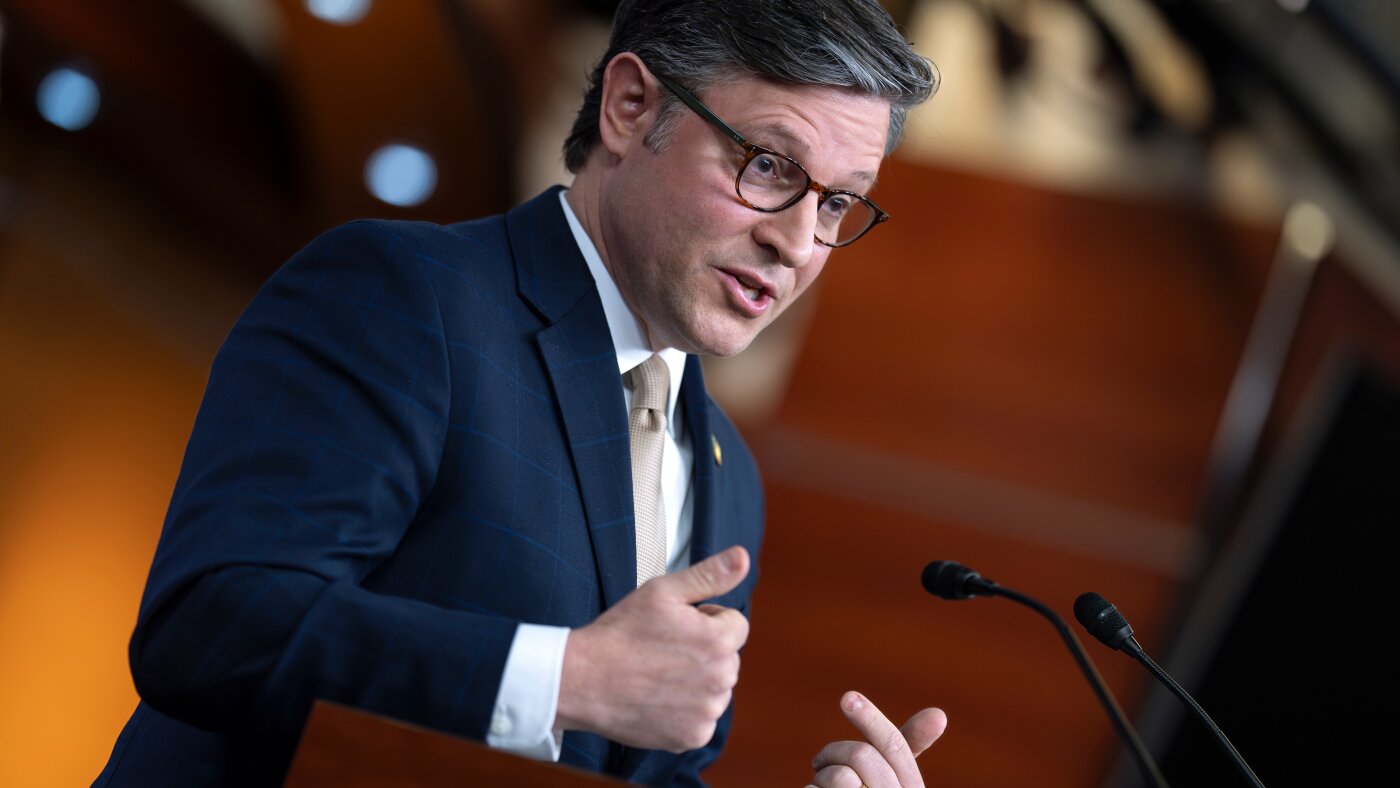
Earlier, the Senate, under the leadership of Republican Majority Leader John Thune from South Dakota, had unanimously moved the funding legislation forward. However, Speaker of the House Mike Johnson from Louisiana initially dismissed this proposal as “a joke” and was reluctant to bring it to a vote. The reluctance was echoed by several House Republicans who opposed partial funding and were against negotiating changes to immigration enforcement.
On April 1, Johnson surprisingly reversed his stance, announcing that the funding bill would soon be put to vote. It took over four weeks for this promise to materialize.
Johnson’s delay was reportedly a strategic decision to appease hardliners within his party. He waited until Senate Republicans initiated the reconciliation process, which would ensure full DHS funding, including ICE and CBP, for the rest of President Trump’s term, independently of Democratic support. More details on this process can be found here.
Homeland Security Secretary Markwayne Mullin highlighted the urgency of the funding, stating that the department was nearing a financial crisis. “We have reached all the emergency funds we can reach into,” Mullin expressed during an interview with Fox News. “I am completely out of the slush fund, I have no place to move at the end of the month.”
Mullin noted that DHS was operating on funds from the previous year’s One Big Beautiful Bill, which had allocated over $150 billion to the department in addition to its usual annual funding.
Additionally, President Trump recently signed a memorandum allowing DHS to utilize funds from this legislation. This decision, while aimed at maintaining DHS operations, may challenge the constitutional powers of Congress over federal spending.