LanguageLine Workers Face Unpredictable Schedules Amid New Software Implementation
Yves Valerus, a Haitian Creole-English interpreter, has experienced significant changes in her work routine at LanguageLine Solutions. Once enjoying a stable job, Valerus now faces unpredictable hours and reduced income due to new scheduling software and a downturn in business.
Valerus, who assists in bridging communication gaps during critical situations like hospital visits and court proceedings, has seen her income drop by nearly 20% from the previous year. As a single mother in Brooklyn, this has led her to prioritize essential expenses, such as internet bills over utilities, due to her remote work.
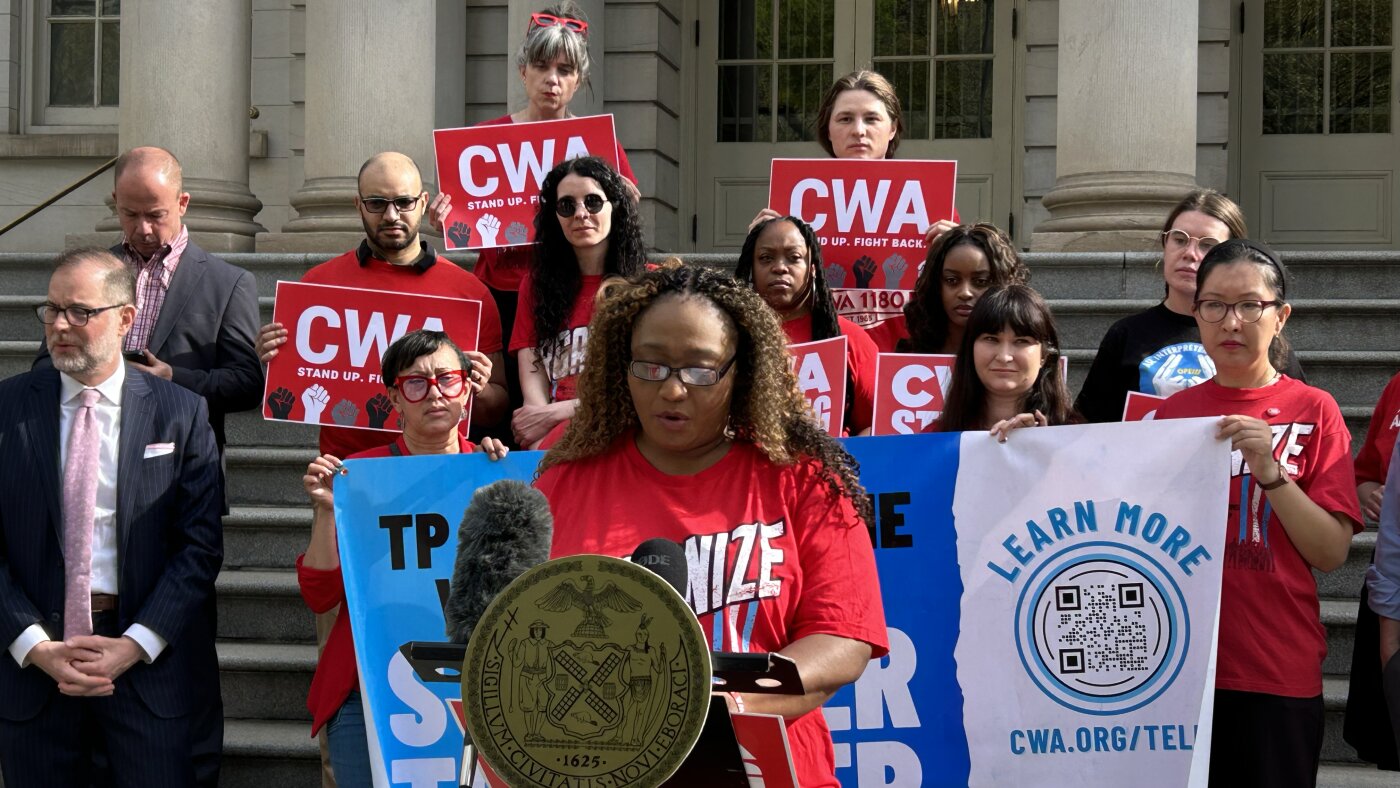
Valerus, along with her colleagues, is attempting to unionize with the Communications Workers of America, especially as the company explores AI for basic interpretation tasks. This move reflects a broader trend where workers face challenges from algorithmic scheduling, a technology that optimizes labor costs but often results in erratic work hours.
Intensified Work Conditions
LanguageLine, a company under Teleperformance, which has faced scrutiny for surveillance practices, serves clients like the UK’s National Health Service and various New York City agencies. Interpreters, such as Valerus, handle intense scenarios, translating complex situations from insurance policies to judicial sentences.
Interpreters report a significant reduction in downtime between calls, with only 15 seconds to recover. This intense pace leads to fatigue and mistakes, as described by Anna Manciano, a former Polish-English interpreter with the company.
LanguageLine claims they do not wish this intensity on their interpreters and have a health and safety committee to address such issues. However, the introduction of algorithmic management tools across industries is increasing worker pressure, as seen with hotel cleaners and other sectors.
Impact of Algorithmic Changes
The introduction of NiCE workforce management software has led to fragmented schedules at LanguageLine. Interpreters like Karolina Yermak face erratic shifts, making it challenging to manage personal time effectively. NiCE, known for optimizing real-time scheduling, is used by major corporations like American Airlines and Toyota.
These scheduling tools, meant to match labor with customer demand, have been scrutinized for reducing wages, as noted by Daniel Schneider from Harvard University’s SHIFT project. While some regions have enacted “Fair Workweek Laws” for retail workers, the coverage does not extend to all sectors, leaving workers like those at LanguageLine vulnerable.
Demand for Change
In response to reduced hours and income instability, over 200 LanguageLine interpreters signed a petition in 2025. Workers are advocating for better conditions, including higher pay and more predictable schedules.
New York City comptroller Mark Levine has urged LanguageLine to respect workers’ rights to unionize, stating, “We’re not playing here.” Valerus remains hopeful for change through union efforts while seeking additional employment to support her family.
LanguageLine acknowledges the unpredictability and is working to stabilize schedules, but the broader issue of risk transfer from companies to workers persists, as highlighted by Schneider.
This article was originally written by www.npr.org