U.S. Intercepts Iranian Military Actions Amid Escalating Tensions
The Strait of Hormuz, a vital waterway for global oil shipments, has become the focal point of rising tensions between the United States and Iran. Recent confrontations have highlighted the strategic significance of this region as both nations grapple with escalating hostilities.
DUBAI, United Arab Emirates — In a recent development, the U.S. military reported intercepting Iranian attacks aimed at three Navy vessels navigating the Strait of Hormuz. According to U.S. Central Command, the Navy destroyers were subjected to “unprovoked Iranian attacks,” prompting a defensive response targeting Iranian military sites.
While no U.S. ships sustained damage, the military emphasized its intent to avoid escalation but affirmed readiness to defend American forces. Concurrently, Iranian state media described skirmishes with “the enemy” on Qeshm Island, part of the Persian Gulf’s largest Iranian archipelago.
Iran’s New Agency Overseeing Strait of Hormuz Transit
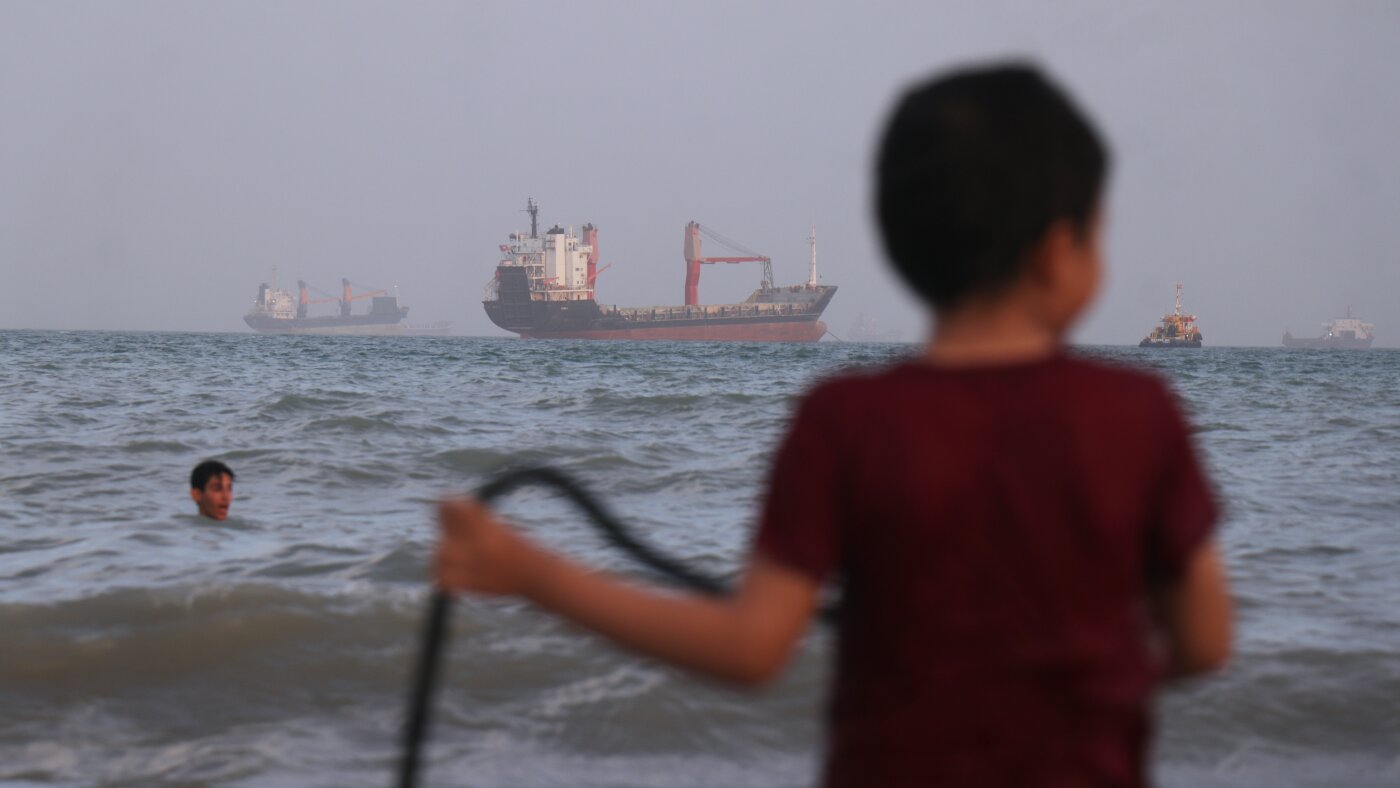
Amid these tensions, Iran has established a government agency tasked with managing vessel transit through the Strait of Hormuz. The agency aims to vet and tax commercial ships, raising concerns about the impact on global shipping routes. Hundreds of ships remain stationed in the Persian Gulf, awaiting passage as international markets remain hopeful for a resolution to the conflict.
Iranian Foreign Ministry spokesperson Esmail Baghaei mentioned that Iran is evaluating peace proposals mediated by Pakistan, though no definitive response has been conveyed to the U.S. Secretary of State Marco Rubio has been engaged in peace efforts, including discussions at the Vatican with Pope Leo XIV, who has been vocal in opposing the conflict.
Mixed Signals from the Trump Administration
The Trump administration’s strategy has been marked by inconsistent signals, fluctuating between ceasefire declarations and threats of renewed military action. The U.S. recently paused efforts to secure a commercial shipping lane, aiming to facilitate peace negotiations. However, Saudi Arabia, a key U.S. ally, has distanced itself from these military endeavors.
The ceasefire, largely intact since early April, has yet to yield a comprehensive agreement between the U.S. and Iran. The conflict, initiated in late February with strikes from the U.S. and Israel, continues to pose challenges to regional stability.
Pakistan’s Optimism for a Peaceful Resolution
Pakistan has been actively mediating between the conflicting parties, with Foreign Minister Ishaq Dar expressing optimism for an imminent agreement. Prime Minister Shehbaz Sharif has emphasized ongoing communication with both Iran and the U.S. to extend the ceasefire and negotiate a peaceful resolution.
Meanwhile, regional diplomatic efforts are ongoing, with upcoming U.S.-hosted talks between Israel and Lebanon scheduled for next week. The discussions aim to address broader Middle East peace initiatives.
Iran’s Regulatory Move Raises Maritime Concerns
The creation of Iran’s Persian Gulf Strait Authority, tasked with authorizing and taxing ships transiting the crucial waterway, has raised alarms about the potential impact on international maritime law. The U.S. and its Gulf allies are advocating for a U.N. resolution to counteract Iran’s control over the strait.
With the global economy feeling the strain of disrupted oil and gas shipments, the situation remains precarious as diplomatic efforts continue to seek a sustainable solution.
This article was originally written by www.npr.org