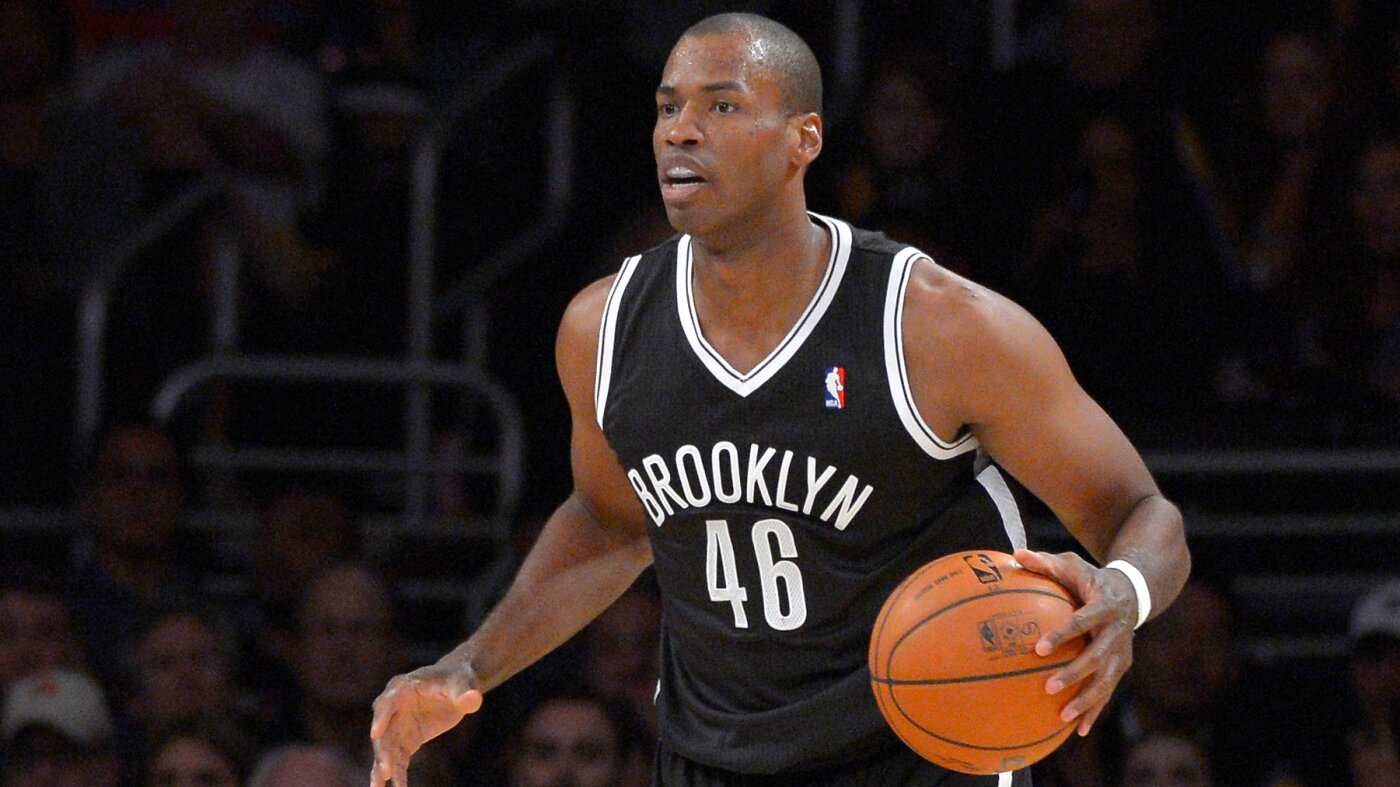
Remembering Jason Collins: A Trailblazer in the NBA and Beyond
Jason Collins, renowned as the NBA’s first openly gay player, passed away following a difficult battle with an aggressive brain tumor. His family announced his passing on Tuesday, marking the end of a life that broke barriers and inspired many.
Over a 13-year career, Collins played for six NBA teams. In 2013, he courageously announced his sexuality, becoming a pivotal figure for inclusivity in sports. Collins’ diagnosis was Stage 4 glioblastoma, a condition with a notably poor prognosis, and he was 47 years old.
“Jason changed lives in unexpected ways and was an inspiration to all who knew him and to those who admired him from afar,” his family shared in a statement through the NBA. They expressed gratitude for the support and medical care he received.
Recently, Collins was honored with the inaugural Bill Walton Global Champion Award, though he was too unwell to attend. His twin brother, Jarron Collins, accepted on his behalf, calling Jason “the bravest, strongest man I’ve ever known.”
Career Highlights and Legacy
Throughout his NBA tenure, Collins averaged 3.6 points and 3.7 rebounds per game, contributing to the New Jersey Nets’ appearances in two NBA Finals. His peak performance season was 2004-05, with 6.4 points and 6.1 rebounds on average.
Adam Silver, NBA Commissioner, remarked on Collins’ profound influence: “Jason Collins’ impact and influence extended far beyond basketball as he helped make the NBA, WNBA, and larger sports community more inclusive and welcoming for future generations.”
In a Sports Illustrated article in April 2013, Collins revealed his sexuality, writing, “If I had my way, someone else would have already done this. Nobody has, which is why I’m raising my hand.” His revelation drew support from many, including Kobe Bryant and former President Bill Clinton.
Personal Symbolism and Advocacy
Collins’ advocacy was subtle yet significant. He chose jersey No. 98, a tribute to Matthew Shepard, a gay student murdered in 1998. This was a silent yet powerful statement of his support for gay rights.
At Stanford, Collins left a lasting legacy, holding the school record for career shooting percentage. Former Stanford coach Mike Montgomery remembered him fondly, saying, “It’s a sad day for all of us associated with Stanford basketball when we lose one of the program’s greats.”
Jason Collins’ story is one of courage, resilience, and lasting impact. His life and career continue to inspire change and acceptance in sports and beyond.
This article was originally written by www.npr.org