Amidst a fractured political landscape, recent election outcomes have highlighted the growing mistrust among voters towards both politicians and the electoral system in the UK. These results reveal a complex web of local dynamics and national sentiments that are reshaping the political arena.
In Scotland, the Scottish National Party (SNP) emerged as the leading party with the most seats, but it failed to secure an outright majority. Labour and Reform both shared the second spot. Meanwhile, in Wales, Labour lost its long-standing control as Plaid Cymru became the largest party, followed by Reform.
Across England, local election results presented a varied picture. Reform gained the highest number of seats nationwide, taking control of 14 councils, despite a decrease in their national vote share from 32% to 27% compared to the previous year. Labour experienced its worst local election performance, losing control of 37 councils and nearly 1,500 councillors. The Conservatives also saw a reduction of 563 councillors overall, though they managed to boost their national vote share.
The Green Party made noticeable progress by winning five councils and two mayoralties, though their success was less than anticipated. The Liberal Democrats continued to make steady, albeit modest gains, with a standout performance in Richmond upon Thames, where they captured every council seat.
A Prime Minister Under Pressure
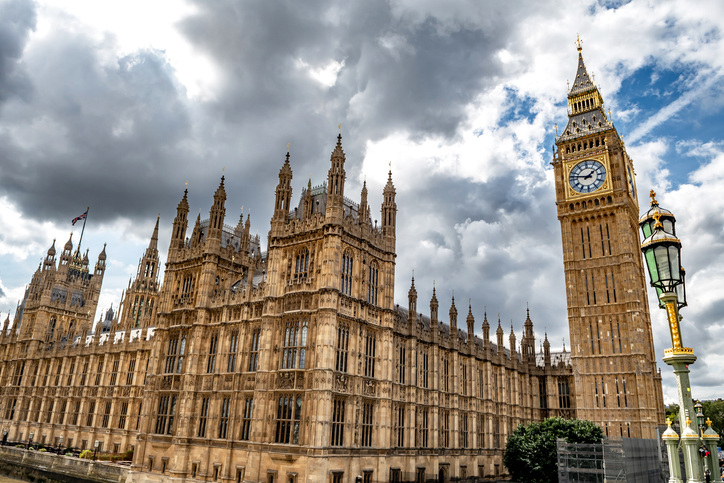
The election results are reflective of both local issues and the broader perception of the Labour government in Westminster. The Prime Minister finds himself in a precarious position, with increasing dissent among his Members of Parliament (MPs). Catherine West, a former minister, has suggested a leadership challenge against Sir Keir, and a growing number of Labour MPs are calling for his resignation. Despite holding a substantial government majority of 156 in the Commons, the PM’s tenure appears to be under threat.
Reconsidering the Electoral System
As the UK moves towards a multi-party political environment, there’s a call to rethink the electoral system for both general and local elections. In this context, candidates can secure victory with less than 20% of the vote, leaving many voters feeling disenfranchised. For instance, in 2024, Labour won nearly 64% of the seats with less than 34% of the vote, while Reform secured less than 1% of the seats with 14% of the vote.
A shift to a more proportional system could potentially rebuild trust among the electorate. It might also lead to more coalition governments, encouraging parties to collaborate for the nation’s benefit while tempering divisive policies.
The Complexities of Trust in Politics
Rebuilding confidence in politicians is a challenging task, especially when the ruling party appears to be playing a game of musical chairs with the office of Prime Minister. It’s crucial to enhance public understanding of the realistic capabilities of governments and politicians.
One Labour MP expressed this sentiment to the BBC: “I am … of the view that anyone who takes over (from Starmer) will inherit the same problem – an impatient and almost ungovernable country that wants tax cuts and spending increases on nearly everything.”
The Demands and Dangers of Public Service
Voters rightly expect high standards from their representatives, and serving in public office is a significant privilege. However, the pressure could deter many from standing for election. Beyond competing expectations, the rise of social media has contributed to a surge in abuse, including death threats directed at councillors and MPs. Such online threats can quickly escalate into verbal and physical confrontations.
The tragic murders of MPs Jo Cox in 2016 and David Amess in 2021 serve as stark reminders of the dangers public servants face. The Jo Cox Civility Commission reported that 90% of female MSPs had feared for their safety, and 43% of Welsh MPs and Senedd members had received death threats.
Christians, who believe in the divinely ordained nature of authority and governance, should pray for capable, servant-hearted individuals to step forward. Churches can play a vital role by supporting and praying for elected officials, regardless of political affiliation, offering protection, wisdom, and strength.
For those contemplating a political career, Christians in Politics offers resources to support and encourage Christian involvement in public life. While challenging, serving in elected office is a rewarding experience that allows individuals to address community needs and be a voice for the voiceless.
Let us conclude with a prayer inspired by Solomon’s request for wisdom in 1 Kings 3, asking that God grants those entering politics “a discerning heart to govern your people and to distinguish between right and wrong.”
Tim Farron has been the Member of Parliament for Westmorland and Lonsdale since 2005 and served as the Leader of the Liberal Democrat Party from 2015 to 2017. Tim is also the host of Premier’s ‘A Mucky Business’ podcast, which unpacks the murky world of politics and encourages believers around the UK to engage prayerfully. He is the author of A Mucky Business: Why Christians should get involved in politics.
This article was originally written by www.christiantoday.com