
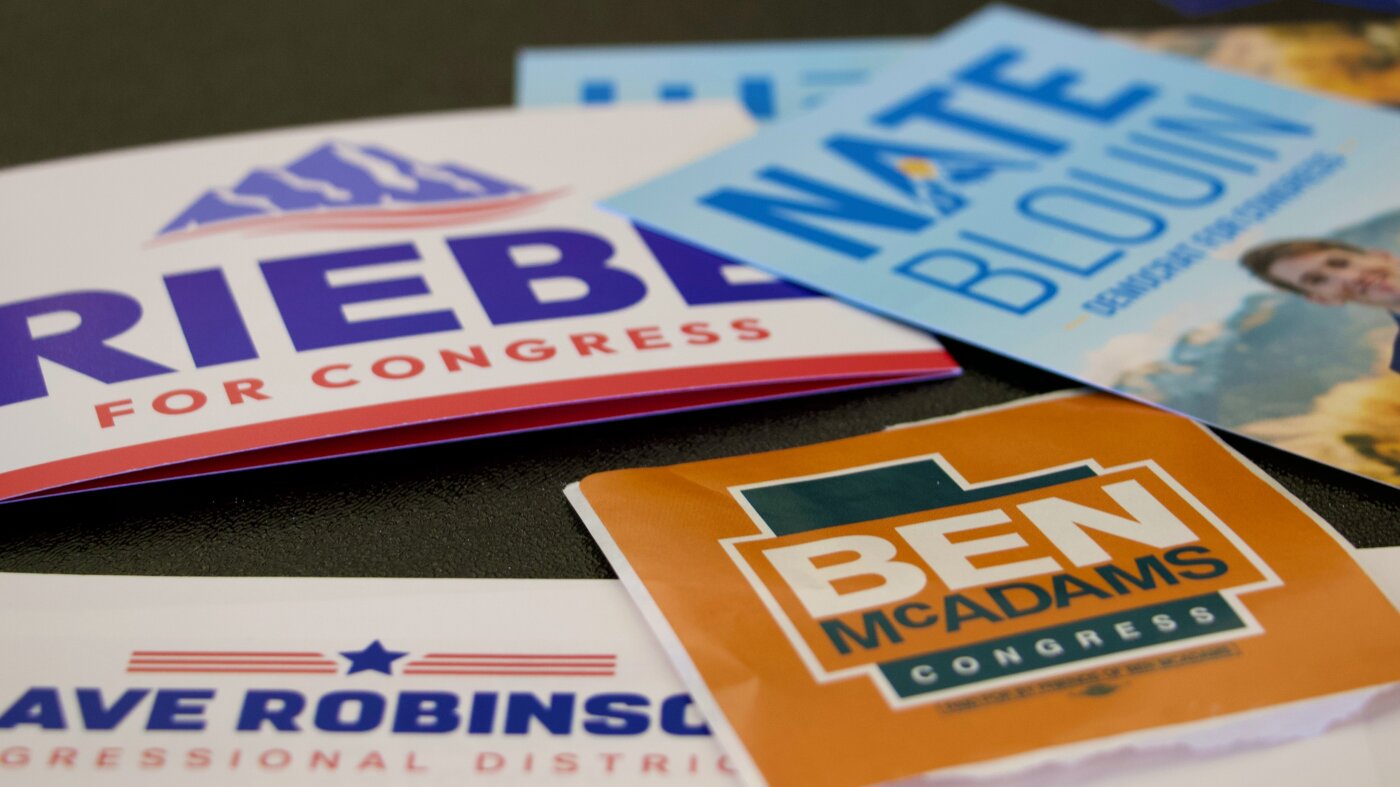
A New Chapter for Utah Democrats: A Competitive Blue District Emerges
For the first time in modern Utah history, Democrats have a solid chance at securing a congressional seat in a state long dominated by Republicans. This shift is largely due to redistricting changes resulting from a legal battle against partisan gerrymandering, rather than any influence from former President Trump.
Utah’s new 1st Congressional District, encompassing Salt Lake City and its Democratic-leaning suburbs, is now considered a safe Democratic seat. As a result, the district is seeing an unusually competitive Democratic primary race, with four candidates vying for the nomination.
The Candidates
The primary features a diverse group of Democratic contenders, ranging from moderates to progressives. Former Rep. Ben McAdams, known for flipping a purple district in 2018, is one of the leading candidates. McAdams positions himself as a “pragmatic” Democrat, emphasizing coalition-building and a moderate approach.
State Sen. Nate Blouin, endorsed by Sen. Bernie Sanders, offers a progressive platform focused on affordable housing and healthcare. He is known for his outspoken criticism of conservative legislation in Utah’s state legislature.
Liban Mohamed, a political newcomer, gained significant support by securing 51% of delegate votes at the Utah Democratic convention. Mohamed, the son of Somali immigrants, advocates for what he describes as people-centric politics, focusing on the working class.
Michael Farrell, a progressive tax attorney, rounds out the field of candidates.
Implications for National Politics
The outcome of Utah’s 1st Congressional District race holds national significance. With the House majority margin being narrow, winning this seat could contribute to shifting control back to the Democrats. Brian King, chair of the Utah Democratic Party, views this as a chance to demonstrate the potential for flipping red states, encouraging the national party to invest in such efforts.
“Democrats, if they’re going to be successful across this country, they have to figure out how to speak, to reach and change the hearts and minds of voters in red areas,” King stated.
The Voters’ Choice
Voters in the district face a decision between candidates who represent different visions for the Democratic Party. Damon Cann, political science professor at Utah State University, notes that the primary’s result could indicate whether the district leans towards a more progressive or moderate Democratic future.
In Utah, this race illustrates the broader choice for Democrats nationwide: whether to stand firm on progressive policies or to seek bipartisan collaboration, even if it requires compromise.




Comments are closed.