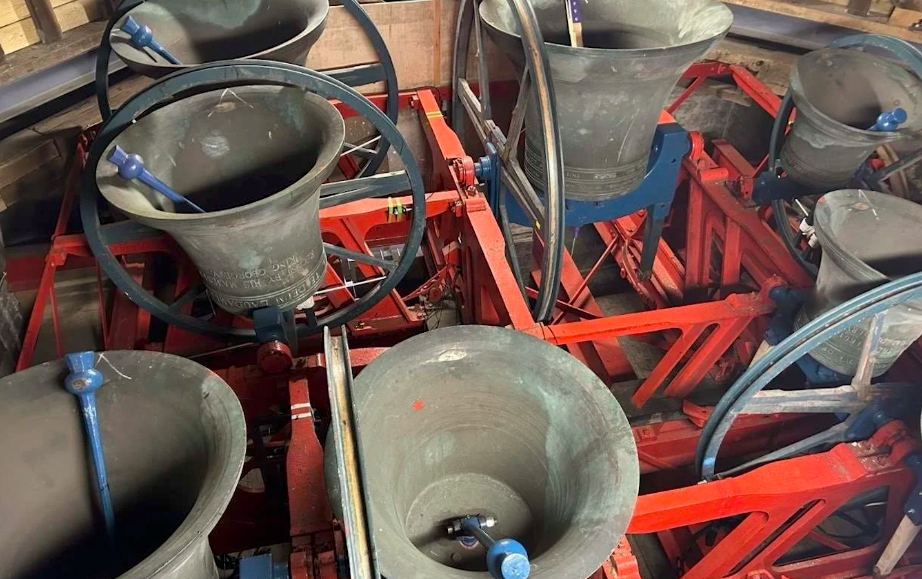
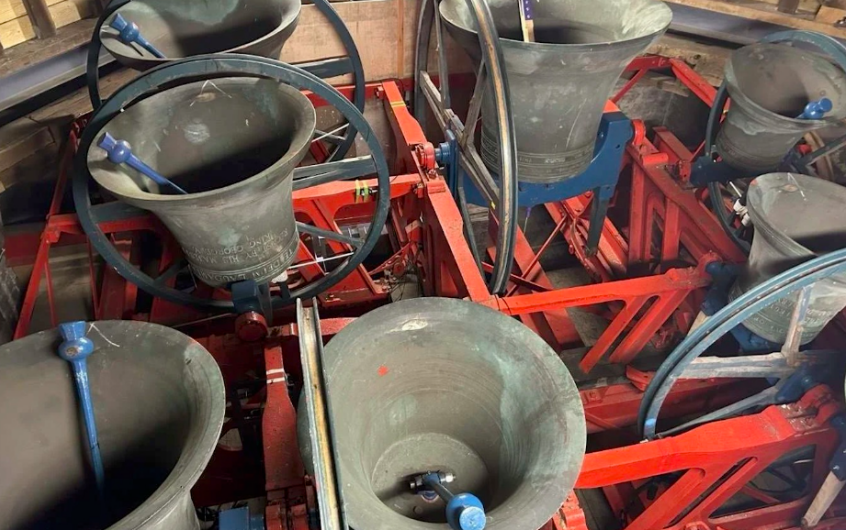
(Photo: Association of English Cathedrals)
In a significant milestone for heritage conservation, Portsmouth Cathedral has successfully secured the necessary funds to restore its historic belfry. This achievement sets the stage for essential repair work to commence in the coming month.
Earlier this year, the cathedral introduced the ‘The Big Tower Top-Up’ initiative, responding to a unique opportunity that allowed crucial repairs without the hefty expense of full scaffolding. This strategic timing was pivotal in curbing potential costs, potentially slashing them by four times.
The fundraising endeavor gathered momentum through a notable anonymous contribution, alongside grants from the Benefact Trust and the Syder Foundation, as well as community donations.
With the funding secured, restoration efforts on this iconic structure are slated to begin in September.
Expressing gratitude, a cathedral spokesperson credited the success to the collective efforts of donors, grant bodies, volunteers, and supporters who shared or prayed for the campaign. The spokesperson stated, “Together, you are helping to preserve Portsmouth Cathedral for future generations and ensuring that this much-loved landmark continues to serve our city as a place of worship, heritage, music and community life.”
This restoration reflects a broader challenge faced by England’s cathedrals as they navigate the dual demands of historic preservation amidst tightening financial conditions.
A recent report by Theos described cathedrals as vital “beacons” of worship, heritage and civic life, emphasizing the dependency on diverse funding sources such as Church allocations, donations, grants, commercial ventures, and tourism to maintain these ancient sites.
Highlighting their societal role, the report noted that 77% of adults in England had visited a cathedral in the preceding three years, underscoring their ongoing relevance in cultural and community spheres.
Nonetheless, the study also pointed out the growing disparity between the contributions of cathedrals and the financial aid they receive, underlining the increasing necessity of fundraising campaigns for their sustained upkeep.
This article was originally written by www.christiantoday.com