Deportation Policies Leave Migrants in Uncertain Limbo
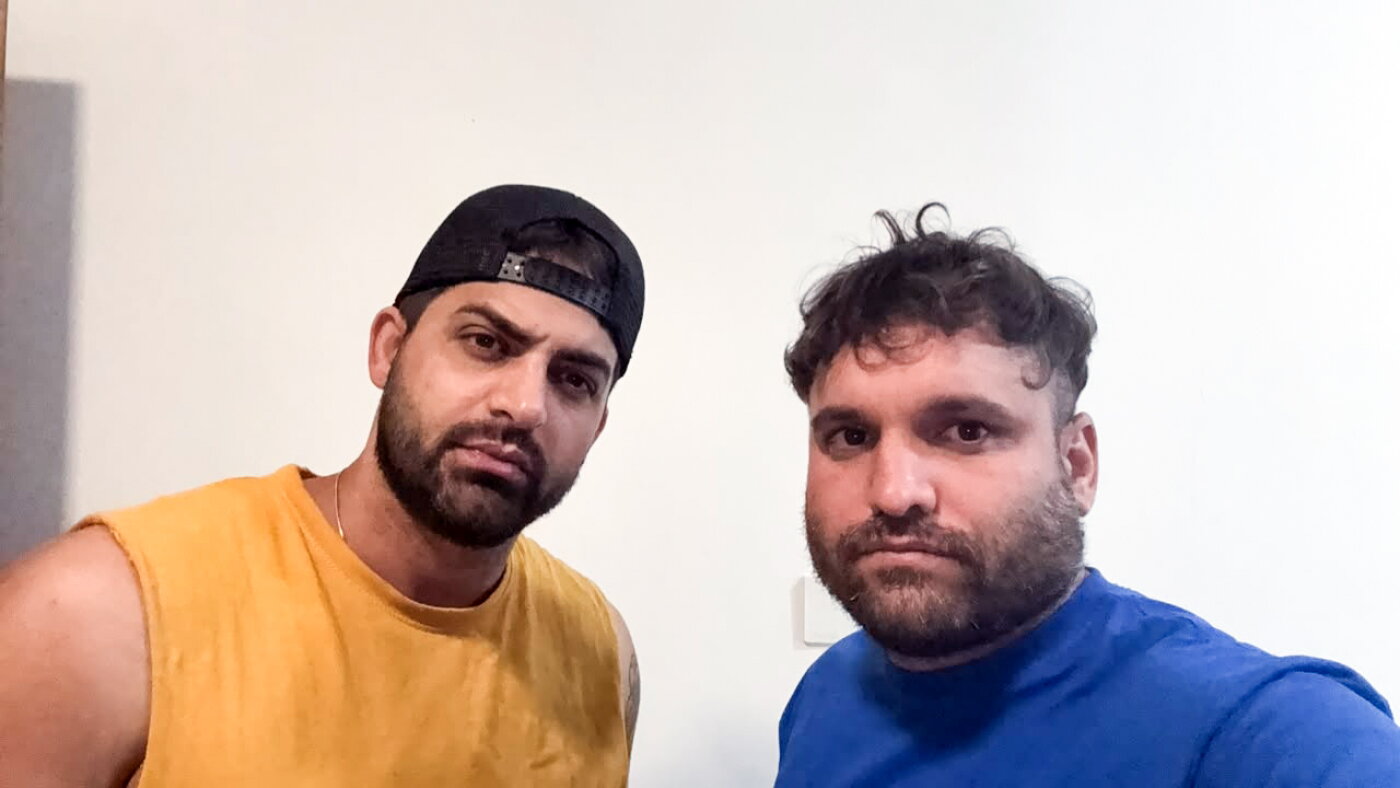
In a world where borders can define futures, the deportation experiences of migrants Arístides Fernandez-Garcia and Yasmany Moreno-De Armas illustrate the harsh realities of international policies. These Cuban immigrants found themselves in the Central African Republic, a place neither of them had any connection to, following their deportation by U.S. authorities.
Fernandez-Garcia, who was arrested by Immigration and Customs Enforcement (ICE) at a Miami courthouse, had intended to return a baseball cap to his great-uncle, José Díaz, after his asylum hearing. However, the arrest and subsequent deportation interrupted this promise. “I have to give him that hat,” Fernandez-Garcia expressed, emphasizing the personal significance of this gesture.
More than 25,000 individuals have been deported to third countries without ties, according to the Trump administration’s policy. Recently, a federal appeals court ruled this policy violated due process, stating migrants were not adequately informed or given a chance to express fears of being sent to another country (source). Despite this ruling, the Trump administration appealed, keeping the policy active.
In response to NPR, the Department of Homeland Security (DHS) claimed that such deportations are crucial for public safety. However, NPR found no criminal charges against Fernandez-Garcia or Moreno-De Armas in Florida. Moreno-De Armas stated, “I face punishment from the Cuban regime for having been a balsero.”
Upon their unexpected arrival in Africa, Fernandez-Garcia and Moreno-De Armas discovered themselves in an unfamiliar environment. Despite DHS’s assurances that deportees are informed and protected post-deportation, both men were unaware of their destination until they landed. The International Organization for Migration provides some support, including housing and security, but the men remain in a precarious situation, lacking legal work documents or visas.
The Central African Republic, described by the U.S. State Department as a high-risk area, presents constant challenges for the deportees. Fernandez-Garcia and Moreno-De Armas share a small apartment, often dealing with health issues and the fear of the unknown. Their daily lives consist of shopping at a nearby market, staying connected with family through WhatsApp, and sharing their stories on social media to raise awareness and funds.
Their plight mirrors that of other “third country deportees” like Roberto Mosquera, who has been imprisoned in Eswatini without charges. Such deportations have led to prolonged separations from family, contributing to a deep sense of loss and uncertainty.
Efforts to maintain family connections are ongoing. Moreno-De Armas’ father, Hiovany Moreno Noa, resides in South Florida and supports his son remotely. “Every parent longs to have their children beside them,” he lamented, reflecting the widespread familial impact of these deportations.
As the legal challenges to the deportation policy continue, many affected individuals like Mosquera and Moreno-De Armas hold onto the hope of returning home. “We’re waiting for God to give us the opportunity to return to the United States,” Moreno-De Armas expressed, highlighting the enduring hope amidst uncertainty.
Despite the challenges, Fernandez-Garcia maintains his affection for the United States, recalling the freedom he experienced. Yet, the separation from loved ones, especially his elderly great-uncle and great-aunt in New Jersey, weighs heavily on him. “I felt what it was to dream for the first time in my life,” he said about the U.S., but also acknowledged the fleeting nature of hope in his current situation.
Meanwhile, his great-uncle Díaz waits for the day his grand-nephew can fulfill his promise, expressing a simple wish: “I hope that he comes and brings it to me someday.” His wife, Martha Piedra, adds, “No, not someday. Please, let it be soon.”
This article was originally written by www.npr.org