
Rosalía: Bridging Pop Culture and Spirituality Through Music
As an Episcopal priest in a modern city, I am accustomed to my clerical collar being mistaken as a quirky accessory, and I often find myself explaining church gatherings to curious baristas. My commitment to exploring the spiritual depths of figures like 16th-century saint Teresa of Ávila hasn’t exactly made me a household name, much to my teenage daughter’s dismay. But attending a Rosalía concert in Guadalajara shifted my perspective, revealing an unexpected intersection of pop culture and spiritual exploration.
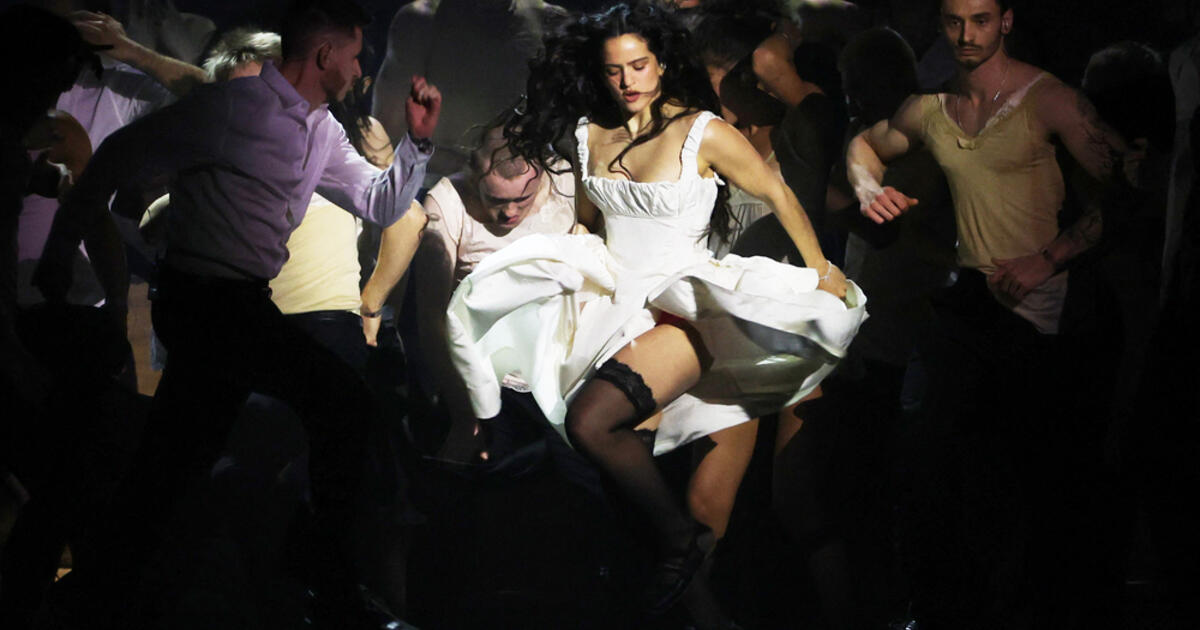
In an arena filled with fervent fans, I witnessed the Spanish artist Rosalía transform a conventional concert into a profound spiritual journey. Her musical narrative tackled complex themes of faith, societal expectations, and the liberation found in divine allegiance, captivating audiences across 57 sold-out shows globally. Even Bono has confessed to drawing inspiration from her work, acknowledging Rosalía’s influence on U2’s latest album (source).
Rosalía, 34, began her career with traditional flamenco but has since evolved into a genre-defying artist. Her latest album, LUX, released in 2025, features an eclectic mix of classical, flamenco, and pop influences, and ambitiously explores the lives of female saints through a multilingual four-movement structure. Defying conventional pop norms, the album achieved 42.1 million Spotify streams within 24 hours, setting a record for Spanish-speaking female artists. I found myself retreating to a quiet corner of the library, captivated by her spiritual audacity.
Rosalía’s LUX tour has been described as transforming arenas into modern cathedrals (source), and this transformation extends beyond visual aesthetics or lyrical themes. It is about democratizing spiritual experiences and connecting with audiences on a deeply human level. In her performances, Rosalía becomes less of a preacher and more of a reflective guide, drawing on the wisdom of female saints while maintaining her unique voice.
Her concerts balance gravity with playfulness, featuring spontaneous “confessionals” and light-hearted intermissions. This approach invites a wide audience to engage with profound spiritual themes that might otherwise be inaccessible. Like a skilled teacher, Rosalía removes barriers, allowing fans to experience the layers of meaning within her work without needing extensive knowledge of its religious underpinnings.
As the concert commenced, I couldn’t help but view the spectacle through the eyes of Teresa of Ávila. The audience, adorned in white and mantillas, symbolized a collective recognition of our souls’ value beyond the physical. This reflection of an imago dei was apparent even in the merchandise, with a popular hoodie boldly declaring, “Hot for God.”
The concert unfolded in four acts, mirroring Rosalía’s album structure. We journeyed through themes of worldly tension, inner transformation, and divine commitment. The performance moved from a symbolic Berlin nightclub to the solemnity of Jesus’ crucifixion, each act reflecting a stage in the spiritual journey. Through songs like “El Redentor” and “Sauvignon Blanc,” Rosalía evoked the pain and ecstasy of surrendering to a higher power.
Rosalía’s ability to convey radical forgiveness and divine intimacy was both unsettling and liberating. Her use of provocative imagery and stagecraft, such as floor cameras and a cross-shaped B-Stage, drew the audience into a shared experience of spiritual reflection. The concert culminated in a moment of communal absolution, as a smoke-emitting speaker descended like the botafumeiro of Santiago de Compostela, blessing the audience in an euphoric celebration of resilience.
While Rosalía operates outside traditional church structures, her work shares the spiritual treasures of saints with a broad audience. Her concerts resonate with those who seek deeper meaning, reminding us of our innate connection to the divine. As someone who shares this spiritual pursuit, I hope Rosalía continues her journey, drawing inspiration from the bold women who have walked this path before.
Rosalía is operating outside church structures. But she’s also trying to share the treasures of the saints, the treasures of heaven, with the masses.
This article was originally written by sojo.net




Comments are closed.