
Challenges and Traditions of the White House Press Secretary Role
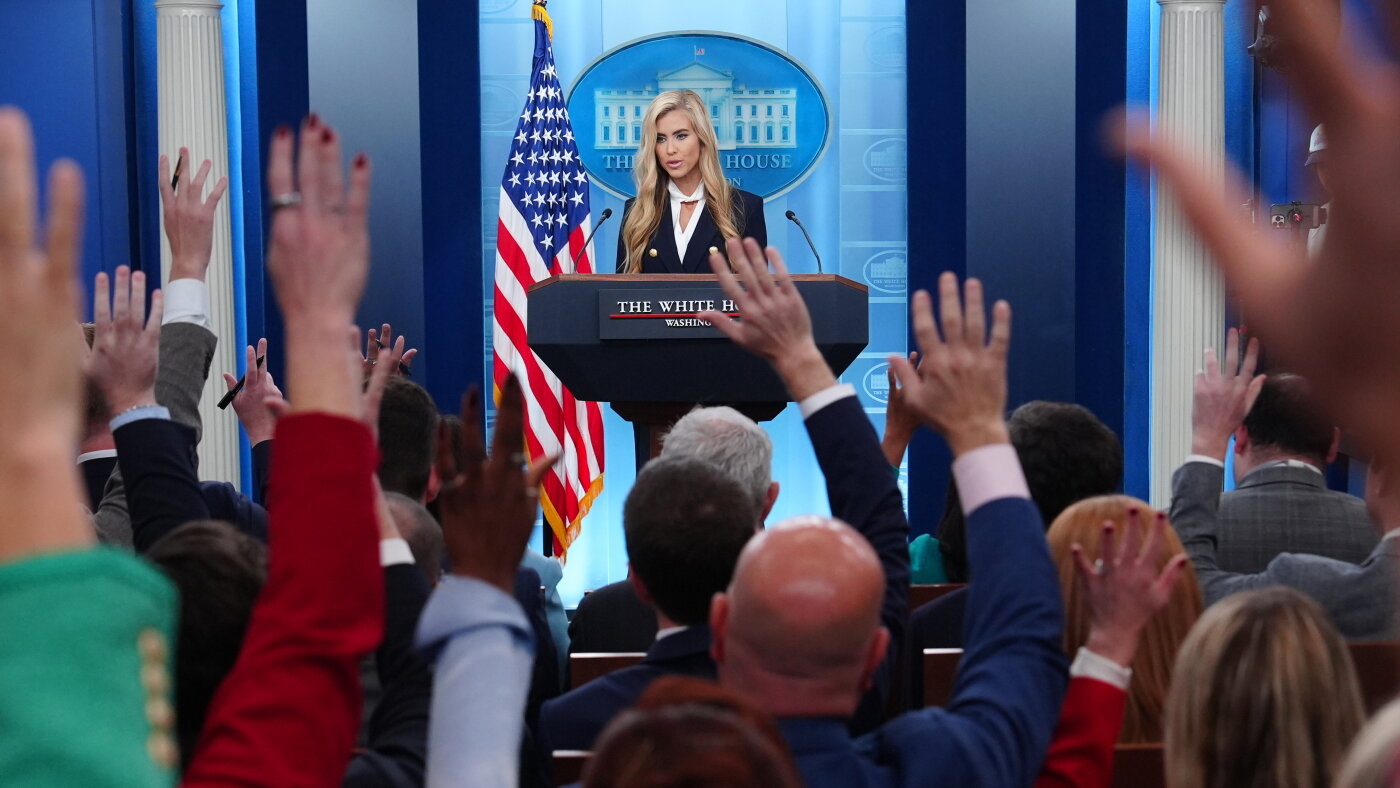
The White House press secretary holds a critical position, serving as the administration’s public face. Despite its importance, the role lacks a formal job description, necessary qualifications, or Congressional vetting. The volatile nature of the job is evident as recent events have shown how quickly one can be dismissed from this high-profile position.
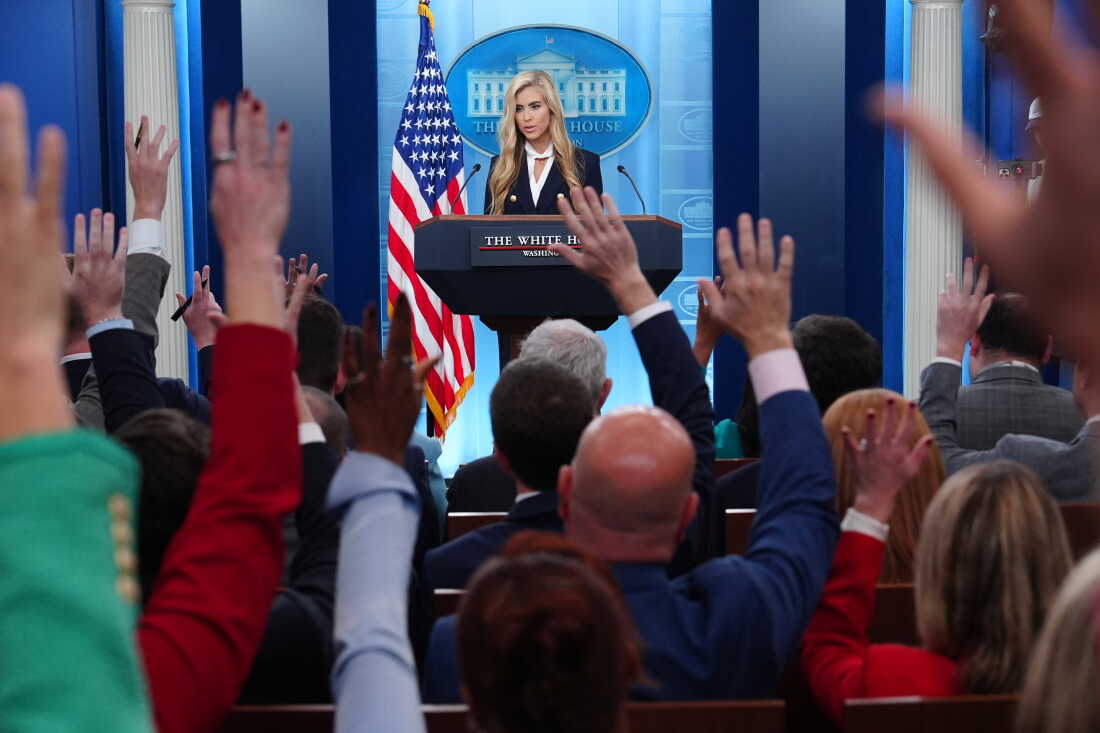
Image by Julia Demaree Nikhinson/AP
For nearly a century, a designated individual has spoken on behalf of the U.S. president. Yet, the press secretary must also answer to the public, as emphasized by former Pentagon Press Secretary John Kirby, who served under Presidents Obama and Biden.
“You are expected to be the president’s voice and sometimes the president’s face on issues on a daily basis, which means you have to have access to the president,” Kirby explained on NPR’s Weekend Edition Sunday. “You have to know what the president’s thinking about, whatever the policy issue is, but you also are accountable to the American people.”
Kirby underlined the importance of honesty and transparency in the role, which involves swiftly addressing the public and fielding challenging questions from the press. This expectation proved challenging for Katie Zacharia, who was dismissed shortly after her appointment. Her initial briefing was marked by nervousness and adherence to a scripted set of talking points. Despite describing herself as a lawyer, it was later disclosed that she had not passed the California bar exam, leading to her departure within five days.
While legal expertise is not a requirement, the ability to engage effectively with reporters is crucial. A historical example is Sean Spicer, who served during Trump’s first term and had a contentious relationship with the press. Spicer was known for his combative exchanges, once stating, “sometimes we can disagree with the facts” amid debates over inauguration crowd sizes.
The position of press secretary, while not legislated by Congress, is steeped in tradition. The White House Historical Association notes that by the late 1800s, journalists began covering the White House regularly. In 1929, President Herbert Hoover appointed George Akerson as the first official White House press secretary. The role has since evolved, with notable milestones including Dee Dee Myers as the first female press secretary in 1993 and Karine Jean-Pierre as the first Black and openly gay press secretary in 2022.
James Brady, who was injured during an assassination attempt on President Reagan in 1981, lends his name to the press briefing room. Ari Fleischer, who served under George W. Bush, likened the job to “intellectual chess,” highlighting the importance of discretion in deciding what information to disclose.


Comments are closed.