
Justice Department’s Move Against Noncitizen Voting Sparks Legal Battle in California
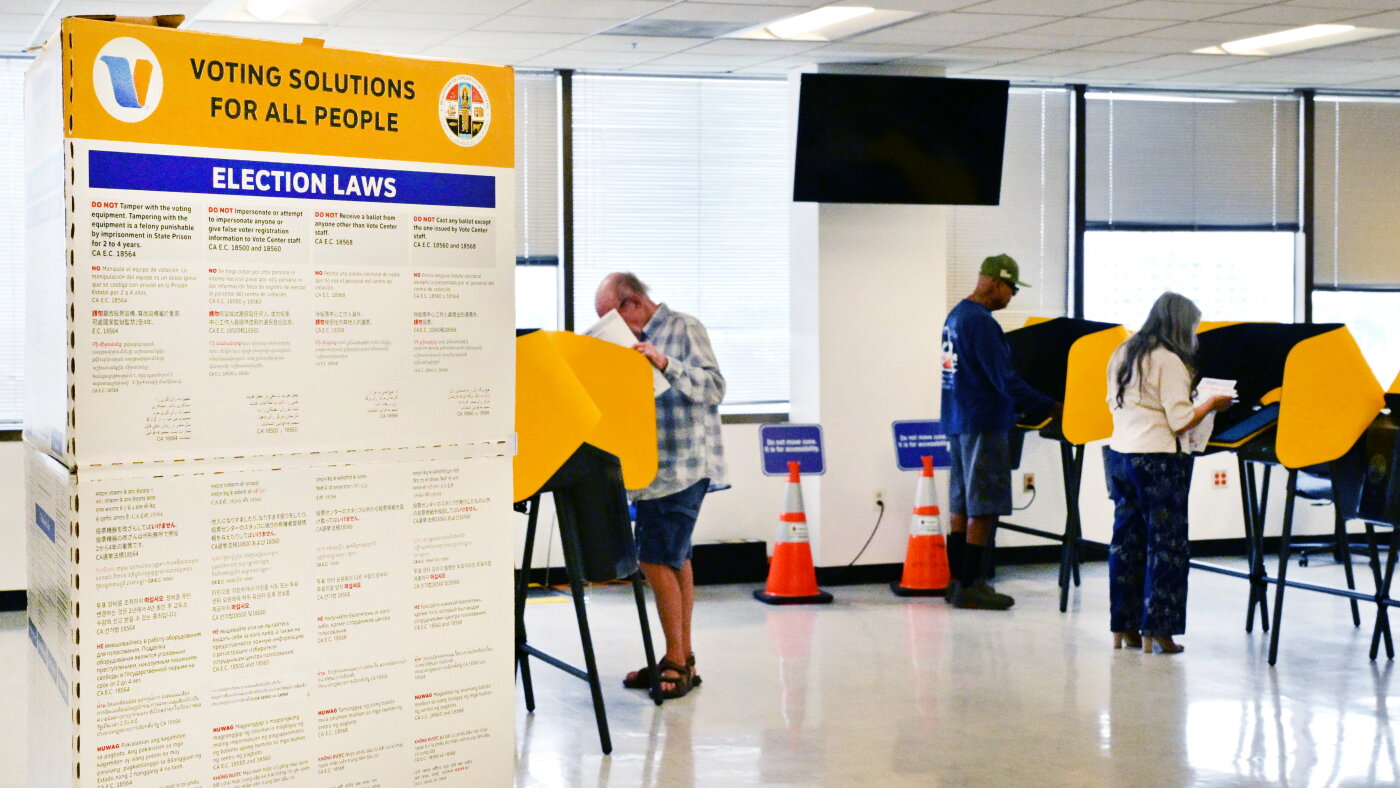
The Justice Department has intensified its efforts to address alleged illegal voting by noncitizens in California, charging 28 green card holders with election-related offenses. This development underscores a growing conflict between federal authorities and California officials over the integrity of the state’s voting system.
In a significant move, the DOJ filed an emergency request to halt the counting of ballots from individuals on voter rolls whom the federal government claims are “likely noncitizens.” California, however, awaits clarification on the federal government’s criteria for identifying these individuals.
“This Department of Justice will not look the other way while noncitizens vote in federal elections,” stated Acting Deputy Attorney General Trent McCotter during a press conference. He added, “Unfortunately the same can’t be said for California and L.A. County.”
Noncitizen Voting: A Spotlight on California’s Electoral System
Despite the absence of evidence proving widespread noncitizen voting in American elections, the Trump administration is actively pursuing cases of ineligible voting. The Justice Department has been regularly issuing new charges as early voting proceeds across various states.
The latest legal action is an extension of President Trump’s earlier focus on election integrity. A recent escalation involved delivering a list of 20,000 names to Los Angeles County, demanding rapid investigation, which local officials refused, prompting a federal lawsuit.
Warning letters from McCotter have further intensified tensions, suggesting possible criminal charges for California officials processing ballots from the identified noncitizens. President Trump commented on Truth Social, “They will all go to jail for a long period of time!!!”
These developments have raised concerns among local officials and election experts about the potential effect on the legitimacy of upcoming midterms in California.
Rick Hasen, an election law expert, noted the risks involved: disenfranchising eligible voters, undermining voter confidence by overstating the issue of noncitizen voting, and possibly using these actions to contest election results post-election.
Dana Lewis, a Republican official from Pinal County, Arizona, mentioned that election administrators nationwide are closely watching California’s situation, recalling similar vigilance during the FBI’s raid on a Georgia elections office earlier this year.
DOJ’s Unprecedented Legal Demand
The Department of Justice’s request to prevent California from processing ballots from the alleged noncitizens is unprecedented, especially with voting already underway. California officials argue that complying with this demand would violate both federal and state laws, citing the National Voter Registration Act, which prevents systematic removal of voters close to an election.
California’s Secretary of State, Shirley Weber, criticized the DOJ’s demands as contrary to law, emphasizing the threat to voting rights. Meanwhile, Los Angeles County’s Peter Bollinger highlighted the lack of authority to act on the DOJ’s request, pointing out potential disenfranchisement without due process.
Questions have been raised about the methodology used by the Trump administration to compile the list of 20,000 alleged noncitizens. McCotter defended the number, stating it was based on cross-referencing multiple government databases. He blamed California for not providing complete voter roll information, which could clarify voters’ citizenship status.
The DOJ’s legal filing stressed the irreversible harm of counting illegally cast ballots and emphasized the urgency due to the fundamental right to vote. However, experts suggest that the lawsuit may be more about political messaging than a feasible legal challenge, given states’ constitutional authority over election administration.
“I expect this lawsuit to go nowhere,” wrote UCLA’s Rick Hasen, reflecting skepticism about the DOJ’s chances in court.




Comments are closed.