
Colleges Shift Admissions Strategies Amid Declining Student Numbers
In a bid to attract more students, colleges across the United States are overhauling their admissions processes, making them less intimidating and more welcoming. This change comes as institutions face the challenge of declining numbers of traditional-age freshmen and a decreasing percentage of high school graduates opting for college.
During a visit to Skidmore College, Alex Zaret, a high school senior, expressed the overwhelming nature of the college admissions process. “It is kind of a full-time job,” said his father, Owen Zaret, highlighting the extensive research, campus visits, and financial paperwork involved.
Owen Zaret noticed a shift in the approach of colleges from an “ivory tower” mentality to a more inclusive strategy. “It signals: ‘You’re lucky if you come here.’ And now, I think, for a variety of reasons, that’s changed. It’s more like, ‘We want you to be here.'”
Colleges are implementing various strategies to attract students, such as waiving application fees and offering additional financial aid to students who visit campuses. Public universities in 17 states admit students who haven’t applied, and over 150 private colleges make direct admissions offers through the Common App.
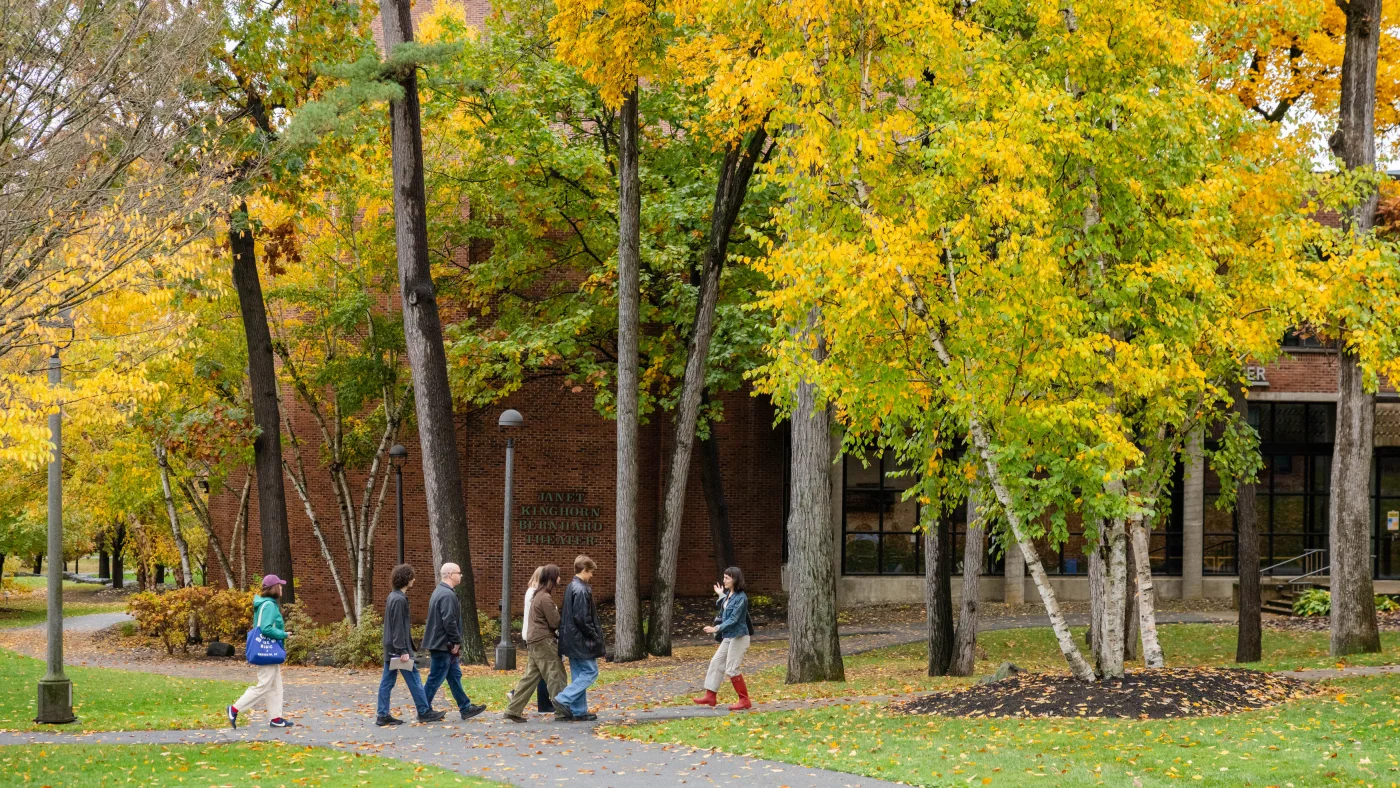
Skidmore College, despite not facing enrollment challenges, is taking proactive steps by involving faculty in the recruitment process. Faculty members meet with prospective students and open their labs and classrooms, creating a welcoming environment. “It creates a feeling of what it would be like to be seen, valued and to find a place of belonging on a campus,” said Jess Ricker, Skidmore’s vice president for enrollment.
Increasing Acceptance Rates
Contrary to popular belief, getting accepted to college is becoming easier. The National Association for College Admission Counseling (NACAC) reports that nearly 8 in 10 first-year applicants to public colleges and 7 in 10 to private institutions are accepted. This is a significant increase from a decade ago.
Angel Pérez, CEO of NACAC, notes that “the majority of institutions in the United States actually accept the majority of students who apply.” However, a Pew Research Center survey found that over 40% of young adults mistakenly believe that college admissions are more competitive now than in their parents’ generation.
The focus on low acceptance rates at elite schools like Harvard and Stanford contributes to this misconception. In reality, only 33 institutions in the U.S. admit 10% or fewer of their applicants.
Colleges are also enlisting faculty in recruitment efforts. At Ohio Northern University, faculty meet with visiting applicants, while at Washington College, faculty participate in open houses and designated Fridays during the admissions season.
Faculty Involvement in Recruitment
Despite initial reluctance, faculty members are increasingly involved in recruitment. Johnnie Johnson, Washington College’s vice president for enrollment management, emphasizes the financial implications of enrollment trends. “When you put a financial figure on every student who comes in, that equates to programmatic funding. That equates to raises,” he said.
Skidmore College has seen an increase in applications, with its acceptance rate dropping from 37% a decade ago to 24% today. The college encourages everyone, from dining hall workers to groundskeepers, to create a welcoming atmosphere.
Becca Johnson, chair of the Psychology Department at Skidmore, often meets with prospective students. She shared a story from a mother who appreciated the personal attention: ” ‘You’re the first person from outside of an admissions office to contact us. And that was so meaningful for them in their decision.’
This story was produced by The Hechinger Report, a nonprofit, independent news organization focused on inequality and innovation in education.




Comments are closed.