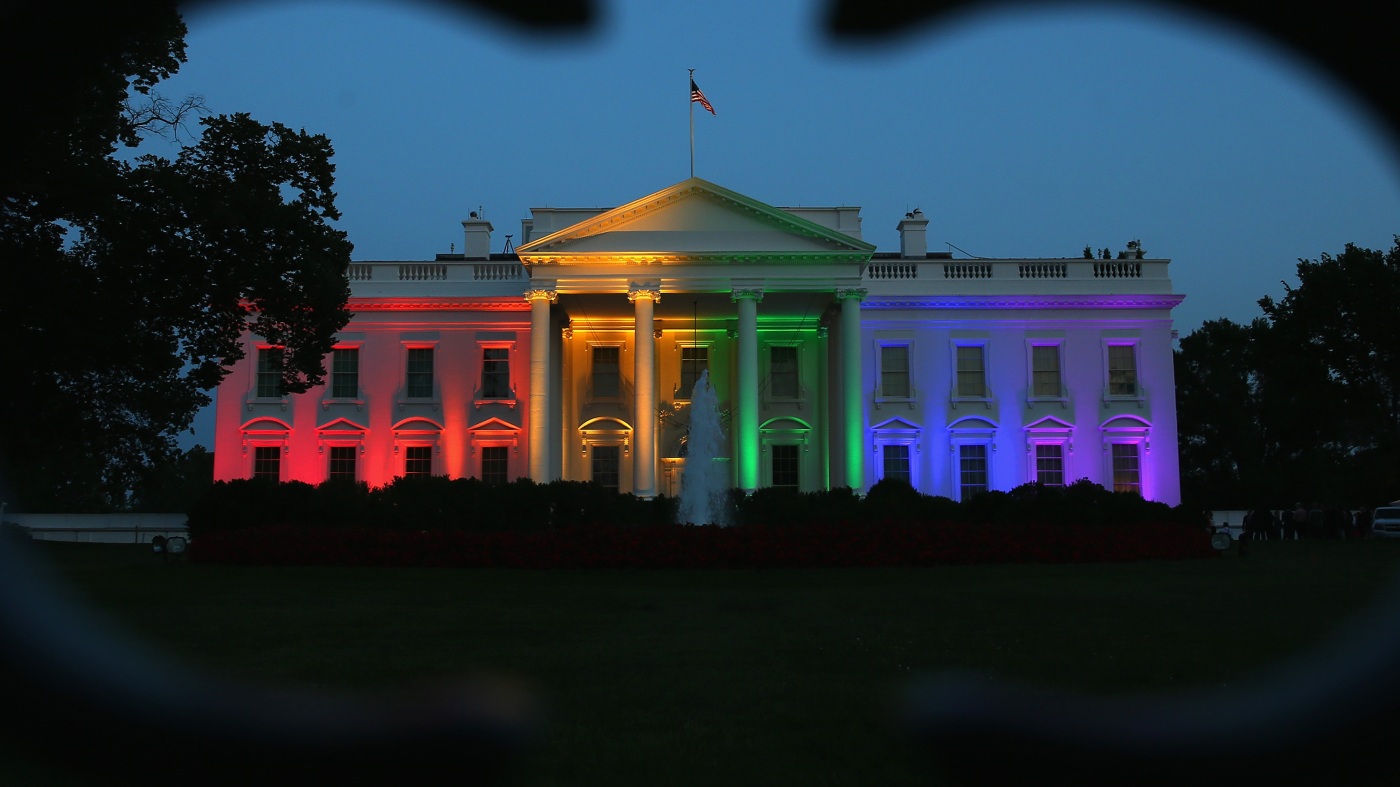
Historic Supreme Court Decision Transforms Same-Sex Marriage Laws Across the U.S.
On a landmark day in June 2015, the U.S. Supreme Court issued a ruling that would change the landscape of marriage equality across the nation. The decision in Obergefell v. Hodges ensured that same-sex marriage became legal in all 50 states, marking a significant victory for LGBTQ rights.
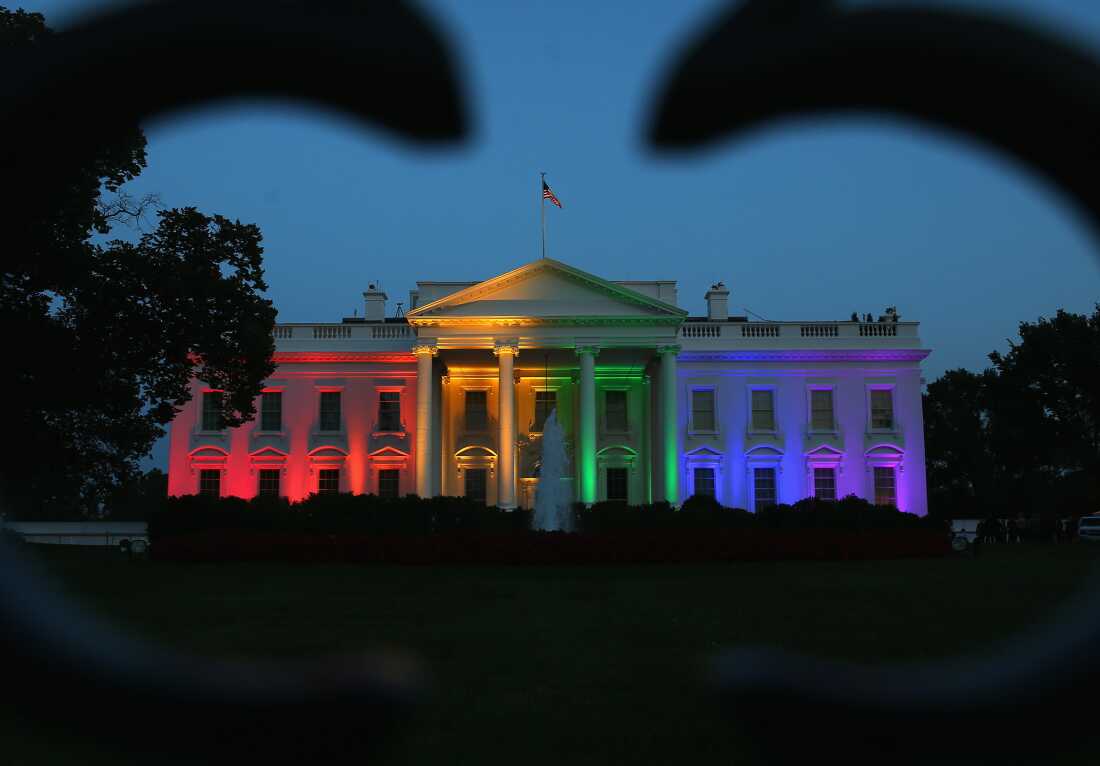
“They ask for equal dignity in the eyes of the law,” then-Supreme Court Justice Anthony Kennedy wrote in the majority opinion. “The Constitution grants them that right.”
Before this ruling, same-sex marriage was legal only in 37 states and the District of Columbia, with a patchwork of laws resulting in confusion and disparity. The Supreme Court’s decision unified these laws under the 14th Amendment, which mandates that states must license and recognize same-sex marriages.
Previously, states like Massachusetts had already taken steps toward marriage equality, becoming the first to legalize same-sex marriage in 2004. Marcia Kadish, who married Tanya McCloskey under this law, told NPR, “We felt we were married already. This was just making it legal.”
The ruling had immediate and profound effects. Couples like Lauren Brown and Lindsey Wren quickly took advantage of their newfound rights, marrying at the Ingham County Courthouse in Michigan. “It’s amazing how fast it went from being nothing to being legally married,” Brown said in a 2015 interview.
The Williams Institute at UCLA reports a significant increase in married same-sex couples, particularly in the South, since the ruling. The number of married same-sex couples in the U.S. has more than doubled in the past decade, reaching an estimated 823,000.
Despite these advances, challenges remain. Some states have called for revisiting the Obergefell decision, with resolutions introduced in Idaho, Montana, Michigan, and Oklahoma. Supreme Court Justices Clarence Thomas and Samuel Alito, who dissented in the original ruling, have expressed openness to reconsidering the case.
In 2022, the Respect for Marriage Act was enacted, redefining marriage at the federal level as a union between two individuals and preventing states from denying rights based on a marriage’s out-of-state status.
While the journey toward equality continues, the significance of the 2015 Supreme Court decision remains a pivotal moment in the ongoing fight for LGBTQ rights.
This article was originally written by www.npr.org