Camp Mystic’s Flood Risk: A Complex Web of Mapping and Reality
In the tranquil setting of the Guadalupe River, Camp Mystic stands as a summer haven for girls, but its serene facade hides a perilous secret. Federal decisions to remove camp buildings from floodplain maps contrast sharply with private assessments that highlight an even graver threat.
Despite data indicating a significant flood risk, Camp Mystic successfully petitioned the Federal Emergency Management Agency (FEMA) to exclude several buildings from government-designated flood maps. NPR’s investigation has revealed that private data suggests the flood dangers are more severe than official maps indicate.
Records show that the camp submitted requests for map amendments at least three times—in 2013, 2019, and 2020. These appeals coincided with the camp’s expansion, adding new structures while seemingly leaving existing cabins in flood-prone zones untouched.
FEMA’s updated maps in 2011 had placed much of the camp within a high-risk floodplain. However, by removing structures from these maps, Camp Mystic could bypass federal building requirements intended to mitigate flood damage and avoid mandatory flood insurance.
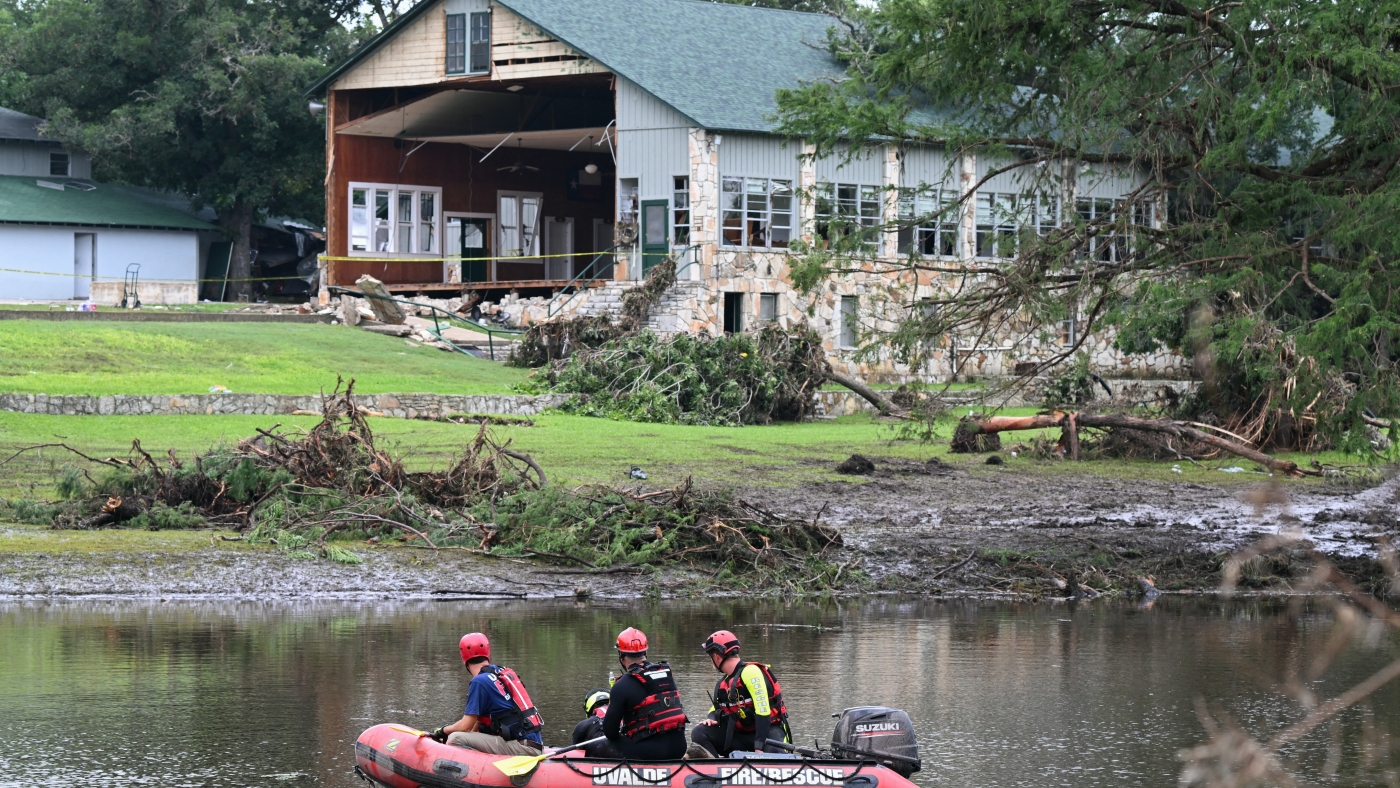
NPR, in collaboration with PBS’s FRONTLINE and First Street Foundation, found that many camp buildings faced higher flood risks than FEMA’s maps suggested. Tragically, the recent flash floods on July 4 resulted in the deaths of over two dozen campers and counselors, as well as the camp’s owner, Dick Eastland.
First Street’s independent analysis identified at least 17 structures vulnerable to floodwaters, contrasting with FEMA’s current maps. The specific buildings removed from FEMA’s records remain unclear.
Camp Mystic has not commented on the matter, initially reported by the Associated Press. FEMA maintains that its maps, subject to public review, are not directly comparable to those produced by private entities.
According to Jeremy Porter, a data scientist at First Street, the divergence between FEMA’s maps and private assessments stems from FEMA’s focus on coastal and large river flooding, neglecting rainfall and flash flood data. This oversight is critical as climate change intensifies extreme weather events.
Porter notes that this issue extends beyond Kerr County, Texas, affecting communities nationwide. The group’s research indicates that twice as many Americans reside in flood-prone areas than FEMA maps suggest, with many unaware of the potential danger.
Investigations by NPR and PBS reveal that even when FEMA’s maps flag risks, warnings can go unheeded. Notably, several of Camp Mystic’s cabins, dining, and recreation halls were situated in a floodway, FEMA’s most hazardous zone, where the velocity and depth of floodwaters are at their peak.
This article was originally written by www.npr.org