Prolonged Path to Justice: The 9/11 Guantanamo Bay Trials Face New Delays
The quest for justice in the aftermath of the September 11 attacks continues to face hurdles nearly 22 years later. The trials of the accused orchestrators, held at Guantanamo Bay, are now mired in further uncertainty with the cancellation of plea deals, raising questions about the future of these cases.
Stephen Vladeck, a law professor from Georgetown University, shared insights into the current state of the 9/11 trials following the recent cancellation of plea agreements. These plea deals, including one involving alleged mastermind Khalid Sheikh Mohammed, would have allowed the defendants to avoid the death penalty by pleading guilty and accepting life imprisonment without parole.
Legal Turmoil Following Canceled Plea Deals
Vladeck remarked, “It’s an enormously important development.” He explained that many viewed the plea deals as an efficient way to bring closure to the emotionally charged and prolonged case. The cancellation, however, adds to the delays, with former General Lloyd Austin overruling the deals agreed upon by convening authority General Susan Escallier, leading to potential new litigation.
The convening authority, responsible for overseeing military courts in Guantanamo, finds this overruling could trigger legal battles across military commissions, Federal Appeals Court, and possibly the Supreme Court.
The Complexity of Capital Cases
As pretrial hearings continue, the case is often described as dysfunctional. Vladeck notes, “The longer that these cases remain capital cases, the longer that we’re going to have years of additional pretrial litigation.” The federal government, across various administrations, remains steadfast on pursuing the death penalty, complicating the proceedings further.
Despite the lengthy process, the plea deals represented a potential resolution, as they could have circumvented the extensive legal hurdles associated with capital cases by removing the death penalty from the equation.
Victims’ Families: Divided Opinions
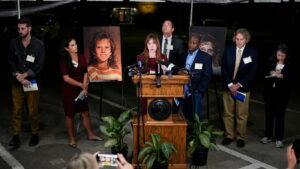
The ongoing delays have left families of 9/11 victims with mixed emotions. Liz Miller, who lost her father in the attacks, supported the plea deals, expressing frustration with the endless waiting. She shared, “I’m really feeling very frustrated, and I’ve reached a point where, like, I’m losing my decorum.”
Conversely, Brett Eagleson, another family member, opposes plea deals, advocating for a trial to achieve justice. “We absolutely need a trial, and a plea deal, a plea bargain, would have taken that right away from us,” he stated.
The Elusive Pursuit of Justice
Vladeck reflects on the complexities of achieving justice in this case, acknowledging the different interpretations of what justice should entail. He notes the importance of closure, suggesting that the continued delays could prevent a final outcome for years.
With no trial in sight, the comparison between plea agreements and trials becomes challenging. The government’s lengthy legal maneuvers have slowed progress, leaving victims’ families and observers to question when and how the 9/11 trials will conclude.
For further details, tune into the full interview with Georgetown law professor Steve Vladeck on NPR.
This article was originally written by www.npr.org