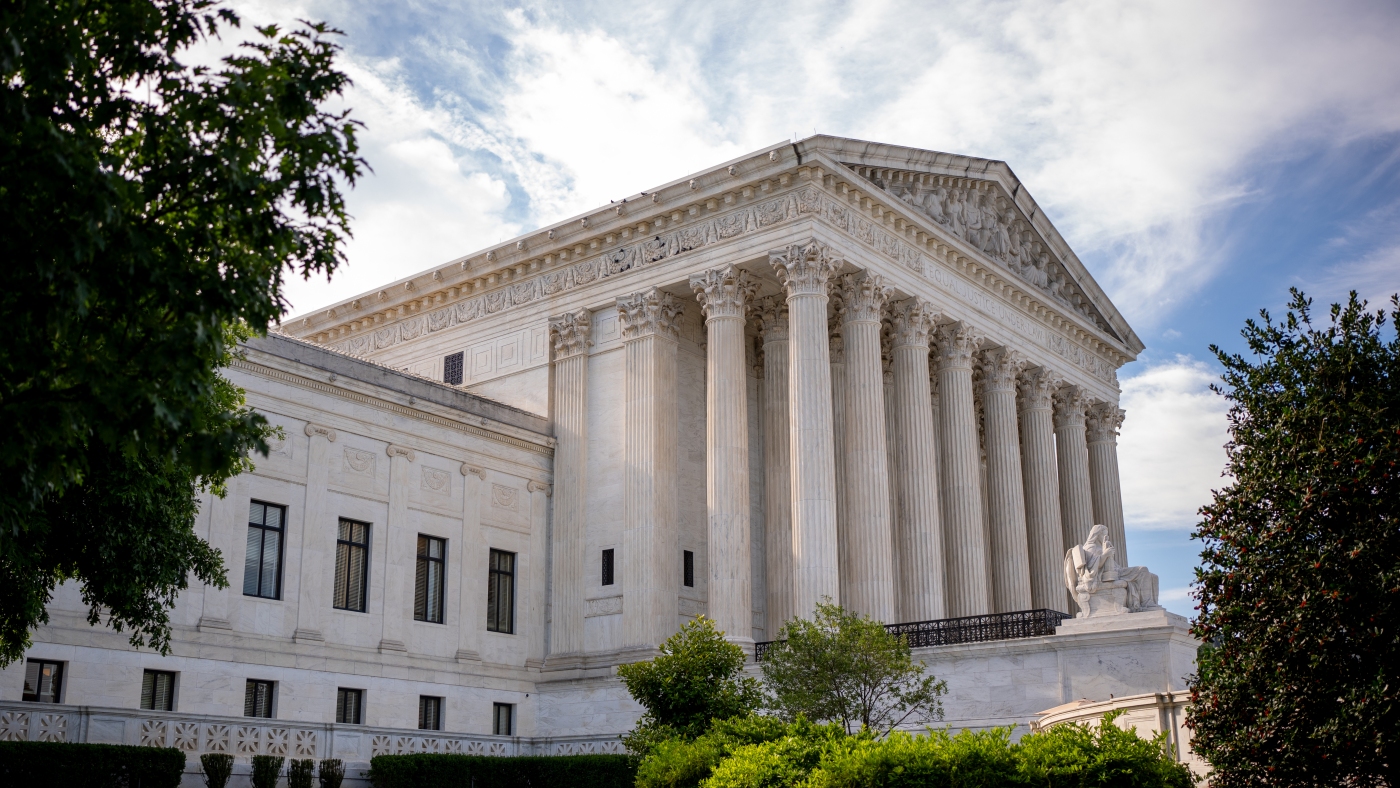
Supreme Court Permits Presidential Removal of Consumer Product Safety Commission Appointees
In a recent legal development, the U.S. Supreme Court has authorized President Trump to dismiss President Biden’s appointed members of the Consumer Product Safety Commission (CPSC) without cause. This ruling further challenges a 90-year-old precedent intended to safeguard the autonomy of specific regulatory bodies. The decision saw disagreement from the court’s three liberal justices.
This interim ruling contests the longstanding Humphrey’s Executor decision of 1935, which constrained presidential authority to remove agency officials at will. Historically, the Supreme Court ruled that President Roosevelt could not dismiss a Federal Trade Commission (FTC) Commissioner solely due to policy disagreements, emphasizing the intended independence of such agencies.
In 2021, President Biden appointed three individuals to the CPSC, which is responsible for setting product safety standards and managing product recalls. However, after President Trump assumed office, he dismissed these appointees before their terms concluded.
The removed commissioners filed a lawsuit, contesting the legality of their dismissal without cause, citing the CPSC’s status as an independent regulatory commission. They argued that, according to law, removal should only occur for “neglect of duty or malfeasance in office.”
The Trump administration defended its actions, asserting that as the chief executive, the president holds the right to remove commissioners “at will,” due to their significant executive powers.
This legal battle saw a federal judge in Maryland temporarily reinstating the commissioners, pending further proceedings. After the Fourth Circuit Court of Appeals declined to intervene, the Trump administration escalated the case to the Supreme Court. The appeal referenced a May decision where the Supreme Court, in a 6-to-3 vote, supported the administration’s move to terminate members of the National Labor Relations Board and the Merit Systems Protections Board.

The Supreme Court’s decision further limits a 90-year-old precedent that was aimed at protecting the independence of certain regulatory agencies.
Andrew Harnik/Getty Images
This article was originally written by www.npr.org