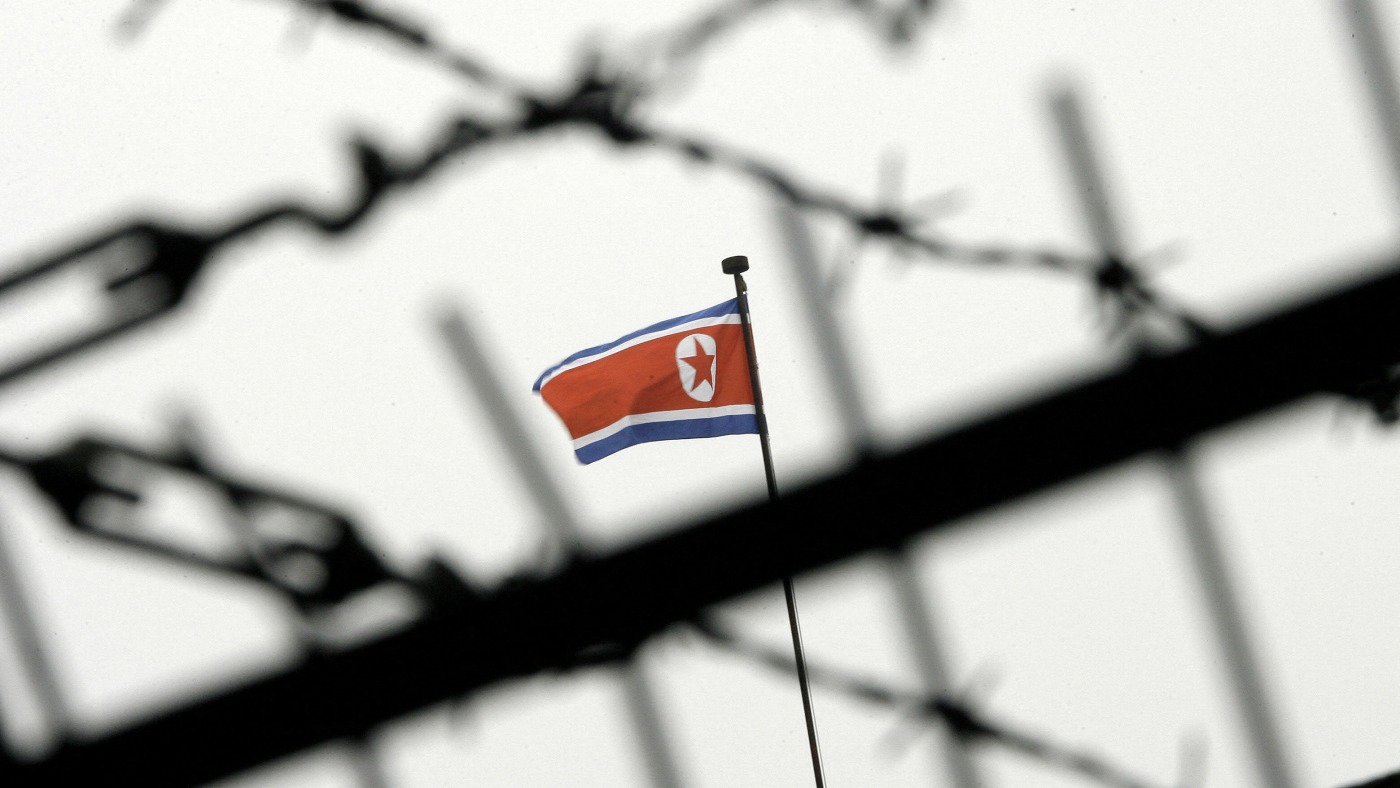
An International Fraud Scheme Uncovered: How North Koreans Infiltrated U.S. IT Jobs
In a scheme that highlights the vulnerabilities of remote work and international cybercrime, an Arizona woman has been sentenced for her involvement in a $17 million identity theft operation. This scam enabled North Koreans to secure employment with U.S. companies under false pretenses.
Christina Chapman was ordered by U.S. District Court Judge Randolph Moss to serve over eight years in prison. The Department of Justice described this as “one of the largest North Korean IT worker fraud schemes” ever prosecuted by the agency. The fraudulent activities spanned from 2020 to 2023, targeting numerous businesses across the United States.
North Korea, under extensive sanctions from the United States and other nations due to its weapons programs, allegedly employs thousands of IT workers globally to bypass these restrictions and fund its economy according to the Department of State and Treasury, and the FBI.
“The North Korean regime has generated millions of dollars for its nuclear weapons program by victimizing American citizens, businesses, and financial institutions,” stated FBI Assistant Director Roman Rozhavsky. “However, even an adversary as sophisticated as the North Korean government can’t succeed without the assistance of willing U.S. citizens like Christina Chapman.”
This operation compromised 68 U.S. identities and affected over 300 American companies, including several Fortune 500 firms. While the indictment does not specify names, it mentions that targeted industries included automotive, aerospace, and technology.
Despite attempts, North Korean workers using stolen identities were unable to secure employment at U.S. government agencies such as Immigration and Customs Enforcement and the Federal Protective Service, as stated by the Justice Department.
Chapman orchestrated the scam using a “laptop farm” from her home, which allowed her to manipulate company devices to simulate the physical presence of employees in the U.S. She also facilitated the shipment of technology equipment abroad, specifically to a city in China bordering North Korea.
In a 2023 search of Chapman’s residence, authorities seized over 90 company-owned devices. Her attorney has not commented on the case.
Chapman’s involvement began in 2020 when a mysterious recruiter contacted her through LinkedIn, offering her a role as the “U.S. face” of their operations. Her legal team claims she initially did not comprehend the full extent and illegality of the activities. However, she continued the operation to finance her terminally ill mother’s cancer treatment.
In her apology to the court, Chapman expressed regret and planned to seek therapy while incarcerated. “I dealt with identity theft myself and it took me 17 years to recover from the damage it caused me,” she wrote. “Knowing that I had a part in causing that kind of stress and suffering for others makes me feel deeply ashamed. My deepest and sincerest apologies to any person who was harmed by my actions.”
The Department of Justice has been actively investigating similar schemes attributed to North Korea. Just last month, the department announced a series of actions against these fraudulent activities, including arrests, searches of 29 suspected “laptop farms” across 16 states, and the seizure of multiple bank accounts used for laundering illicit funds.
This article was originally written by www.npr.org