Federal Judge Temporarily Halts U.S. Plans to End Protected Status for Certain Immigrants
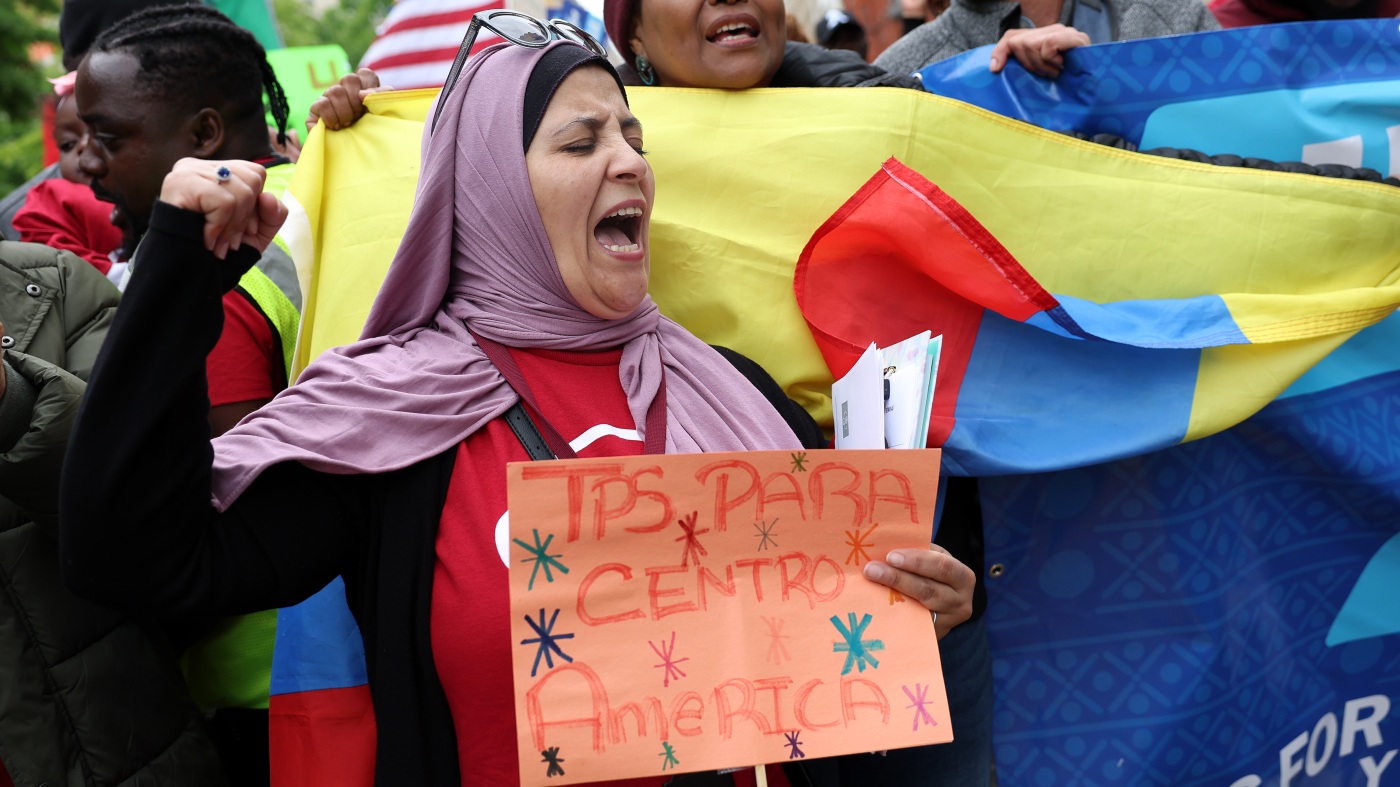
In a significant legal development, a San Francisco federal judge has temporarily blocked the U.S. government’s attempt to terminate the Temporary Protected Status (TPS) for immigrants from Honduras, Nicaragua, and Nepal. This decision impacts approximately 60,000 individuals whose TPS designation was initially set to expire starting August 5.
Judge Trina Thompson’s ruling delays these terminations until November, when a hearing will further evaluate the case’s merits. The majority of those affected have resided in the United States for over two decades.
In her written judgment, Judge Thompson criticized the administration’s actions, emphasizing the plaintiffs’ simple desire for “the freedom to live fearlessly, the opportunity of liberty, and the American dream.” She further commented, “Instead, they are told to atone for their race, leave because of their names, and purify their blood. The Court disagrees.”
The Department of Homeland Security (DHS) has not yet provided a comment on this ruling.
The TPS program, established by a specific law, allows presidents to offer protection to migrants from nations facing dire conditions like natural disasters or civil conflicts. For instance, the designation was first granted to Hondurans and Nicaraguans following the devastation of Hurricane Mitch in 1999, while Nepal received it after a major earthquake in 2015.
Since taking office, the Trump administration has aimed to end TPS for numerous countries, among them Venezuela and Haiti.
Earlier this month, a DHS spokesperson mentioned that concluding TPS for Nicaragua “restores integrity in our immigration system and ensures that TPS remains temporary.” The official added, “The impacts of a natural disaster impacting Nicaragua in 1999 no longer exist. The environmental situation has improved enough that it is safe enough for Nicaraguan citizens to return home.”
Contrarily, the Department of State has advised U.S. citizens to “reconsider travel to Nicaragua due to arbitrary enforcement of laws, the risk of wrongful detention, and limited healthcare availability” (source).
Regarding Hondurans, Homeland Security Secretary Kristi Noem commented earlier this month, “It is clear that the Government of Honduras has taken all of the necessary steps to overcome the impacts of Hurricane Mitch, almost 27 years ago.” She added, “Honduran citizens can safely return home, and DHS is here to help facilitate their voluntary return” (source).
Judge Thompson remarked that the administration’s move to end TPS seemed “based on a preordained determination” rather than an impartial assessment of the current conditions in these countries.
Legal challenges to TPS terminations have been widespread, with cases being heard in courts nationwide, including the U.S. Supreme Court (source).
This article was originally written by www.npr.org