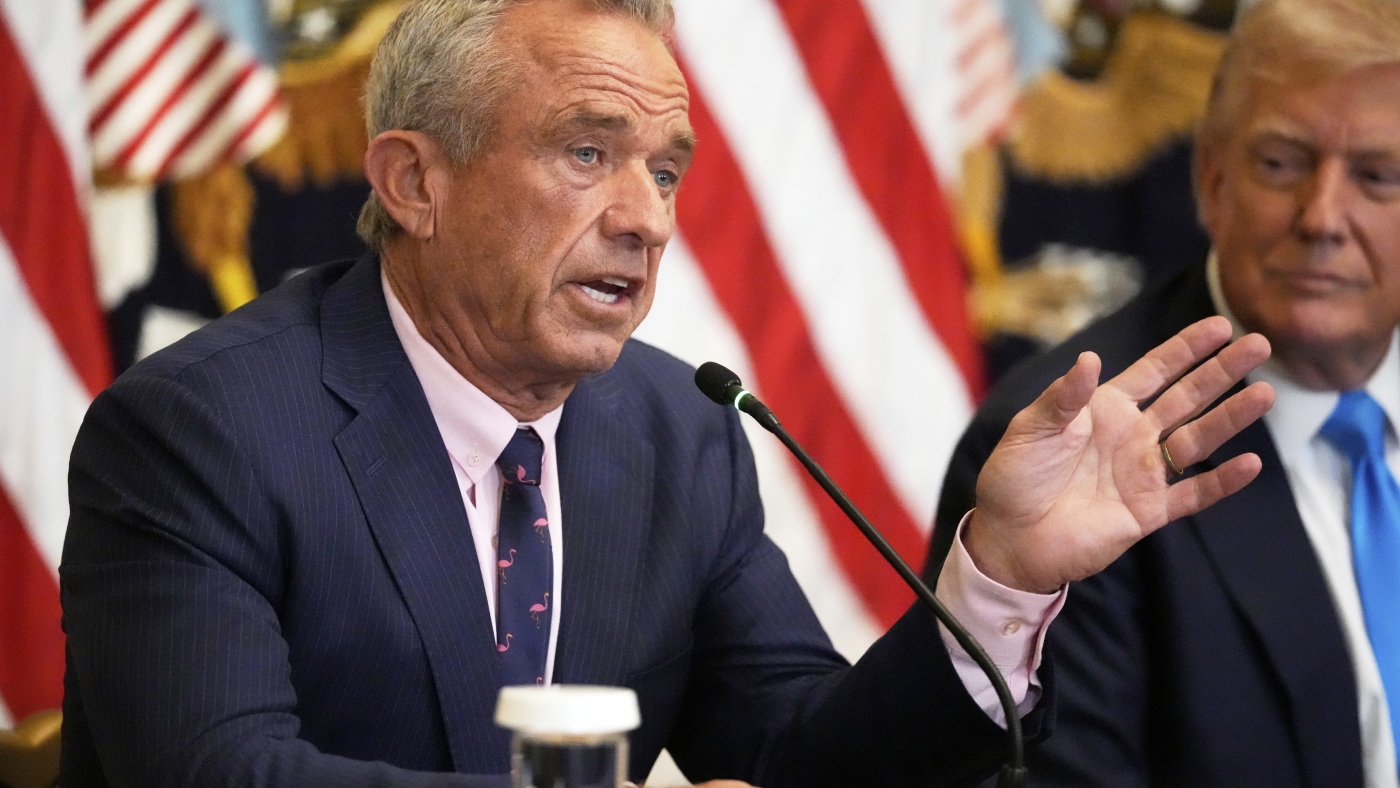
Major Shift in Vaccine Development as HHS Halts mRNA Projects
The U.S. Department of Health and Human Services (HHS) has made a significant move by discontinuing funding for several vaccine development projects aimed at combating respiratory viruses such as COVID-19 and the flu. This development follows an announcement by Health and Human Services Secretary Robert F. Kennedy Jr. to terminate 22 projects involving mRNA technology, totaling $500 million.
Kennedy, known for his critical stance on vaccines, has initiated a series of decisions that reflect his skepticism. These include withdrawing recommendations for COVID-19 vaccinations, disbanding the advisory panel on vaccines, and withholding strong support for vaccinations amid a measles outbreak.
In a social media video, Kennedy criticized mRNA vaccines and explained the rationale behind halting projects conducted by top pharmaceutical firms like Pfizer and Moderna, which focus on protection against viruses including flu, COVID-19, and H5N1.
“To replace the troubled mRNA programs, we’re prioritizing the development of safer, broader vaccine strategies, like whole-virus vaccines and novel platforms that don’t collapse when viruses mutate,” Kennedy stated in the video.
However, infectious disease experts warn of the drawbacks of this decision. They affirm the safety of mRNA technology, heralding its role during the first Trump administration in mitigating the 2020 coronavirus pandemic. “I don’t think I’ve seen a more dangerous decision in public health in my 50 years in the business,” commented Mike Osterholm, a pandemic preparation expert from the University of Minnesota.
Dr. Paul Offit, a vaccine specialist at Children’s Hospital of Philadelphia, echoed concerns about the potential impact of suspending mRNA projects, especially with looming fears of a bird flu pandemic. “It’s certainly saved millions of lives,” Offit said regarding mRNA vaccines.
Beyond infectious diseases, mRNA technology is being explored for other medical applications, such as cancer immunotherapies. Earlier this year, billionaire tech entrepreneur Larry Ellison acknowledged the potential of mRNA to treat cancer at a White House event.
Traditionally, vaccine production involved cultivating virus segments in eggs or cell cultures. The mRNA method, in contrast, uses genetic code snippets to instruct the body to produce proteins, thereby generating an immune response and effectively creating a vaccine dose.
The HHS clarified that other uses of mRNA technology within the department are unaffected by this announcement. While mRNA is used in approved COVID-19 and RSV vaccines, its application for flu shots is still pending approval. Moderna, which has been researching a combined COVID-19 and flu mRNA vaccine, maintains that mRNA can expedite flu vaccine production compared to traditional methods.
This decision marks a “shift in vaccine development priorities,” according to the health department, which now plans to “invest in better solutions.” Kennedy emphasized, “HHS supports safe, effective vaccines for every American who wants them.”
During a news conference in Anchorage, Alaska, Kennedy, alongside the state’s two Republican U.S. senators, revealed that work is underway on an alternative vaccine strategy. The administration is focusing on a “universal vaccine” designed to mimic “natural immunity” and potentially combat coronaviruses and the flu.
This article was originally written by www.npr.org