Rising Housing Challenges for Older Americans: The Role of PACE Programs
In the backdrop of increasing housing costs, older Americans are finding themselves in precarious living situations, often leading to homelessness. The PACE Organization of Rhode Island, among others, is stepping in to address this growing issue by ensuring that older adults have stable housing as part of their comprehensive care.
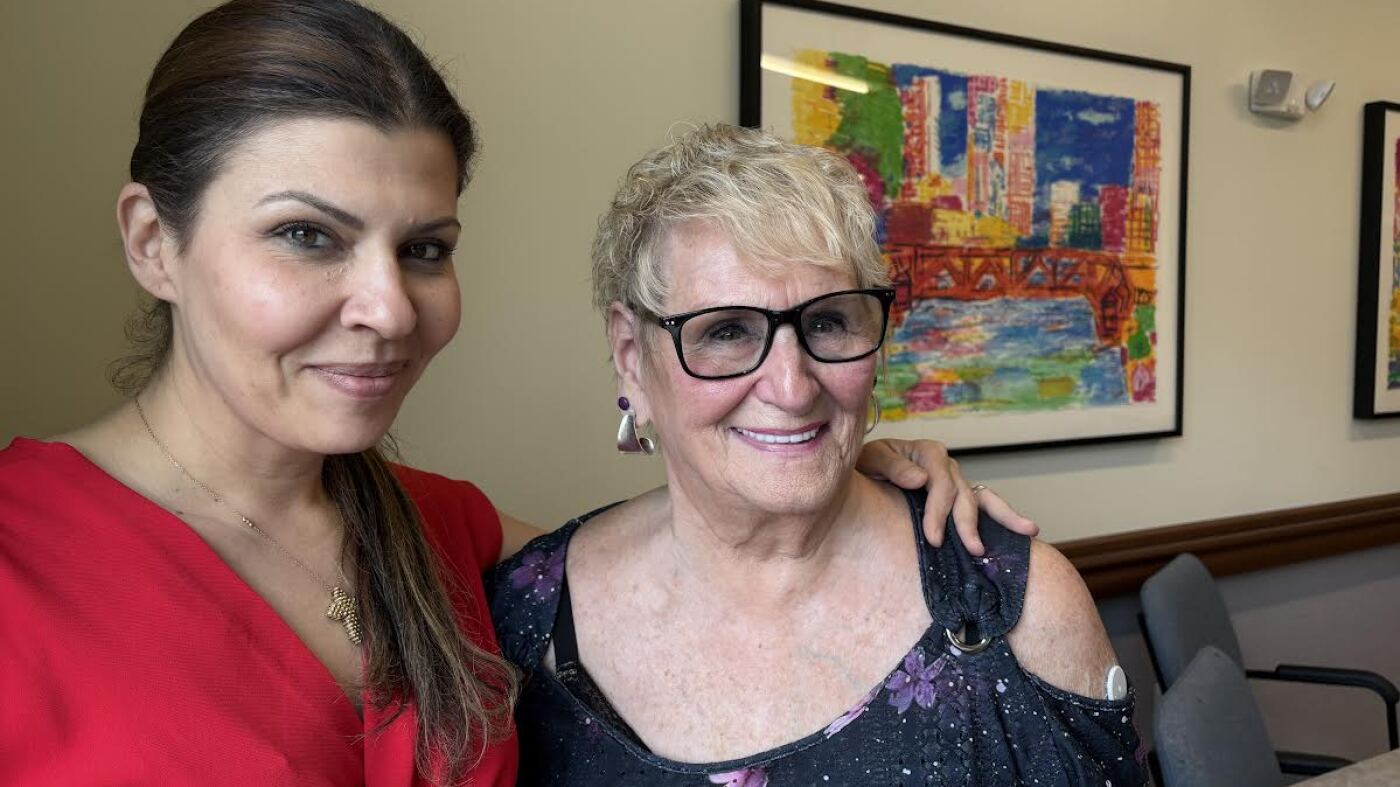
At 82, Roberta Rabinovitz found herself without a permanent home after losing close family members and facing health challenges. She moved to her grandson’s home in Rhode Island, only to discover that the living situation was unsustainable. Fortunately, she found help through the PACE Organization of Rhode Island, a health care nonprofit funded by Medicaid and Medicare, which provided her with housing and much-needed medical care.
Escalating Homelessness Among Seniors
As housing costs continue to rise, organizations like PACE are expanding their roles beyond traditional medical care to include housing solutions. This shift comes as the number of older adults without stable housing climbs. In 2024, 1 in 5 homeless individuals in the U.S. were aged 55 or older, reflecting a 6% increase from the previous year.
“It’s a national scandal, really, that the richest country in the world would have destitute elderly and disabled people,” remarked Dennis Culhane, a University of Pennsylvania professor specializing in homelessness and housing policy. His research highlights that many older adults, especially those born between 1955 and 1965, have faced lifelong financial instability, now exacerbated by aging.
Sandy Markwood, CEO of USAging, points out that many older adults are one crisis away from homelessness. Factors like the death of a spouse, job loss, or a rent hike can push them over the edge, leaving them without a place to call home.
PACE’s Innovative Housing Solutions
PACE organizations are navigating new territory by collaborating with housing providers and even developing their own housing solutions. A 1997 federal law established PACE as a provider type for Medicare and Medicaid, with 185 programs now serving over 83,000 participants nationwide. These organizations cater to individuals 55 and older, providing comprehensive care to help them remain at home.
In Rhode Island, PACE provides essential services to nearly 500 participants. CEO Joan Kwiatkowski notes that housing insecurity among participants, once rare, is now a monthly occurrence. The organization partners with assisted living facilities and is exploring options to acquire its own housing to ensure participants have a stable living environment.
Roberta Rabinovitz, now settled in an apartment at an assisted living facility, exemplifies the impact of PACE’s efforts. With the assistance of the PACE program, she receives medical care, including transportation to and from medical appointments, and has found a sense of community and stability in her new home.
As federal funding for Medicaid faces potential cuts, PACE officials express concern about the future. However, the bipartisan support for PACE’s cost-effective services provides hope that these vital programs will continue to evolve and expand, ensuring that older Americans receive the comprehensive care they need.
This article was originally written by www.npr.org