Presidential Fashion: Making Statements Through Style
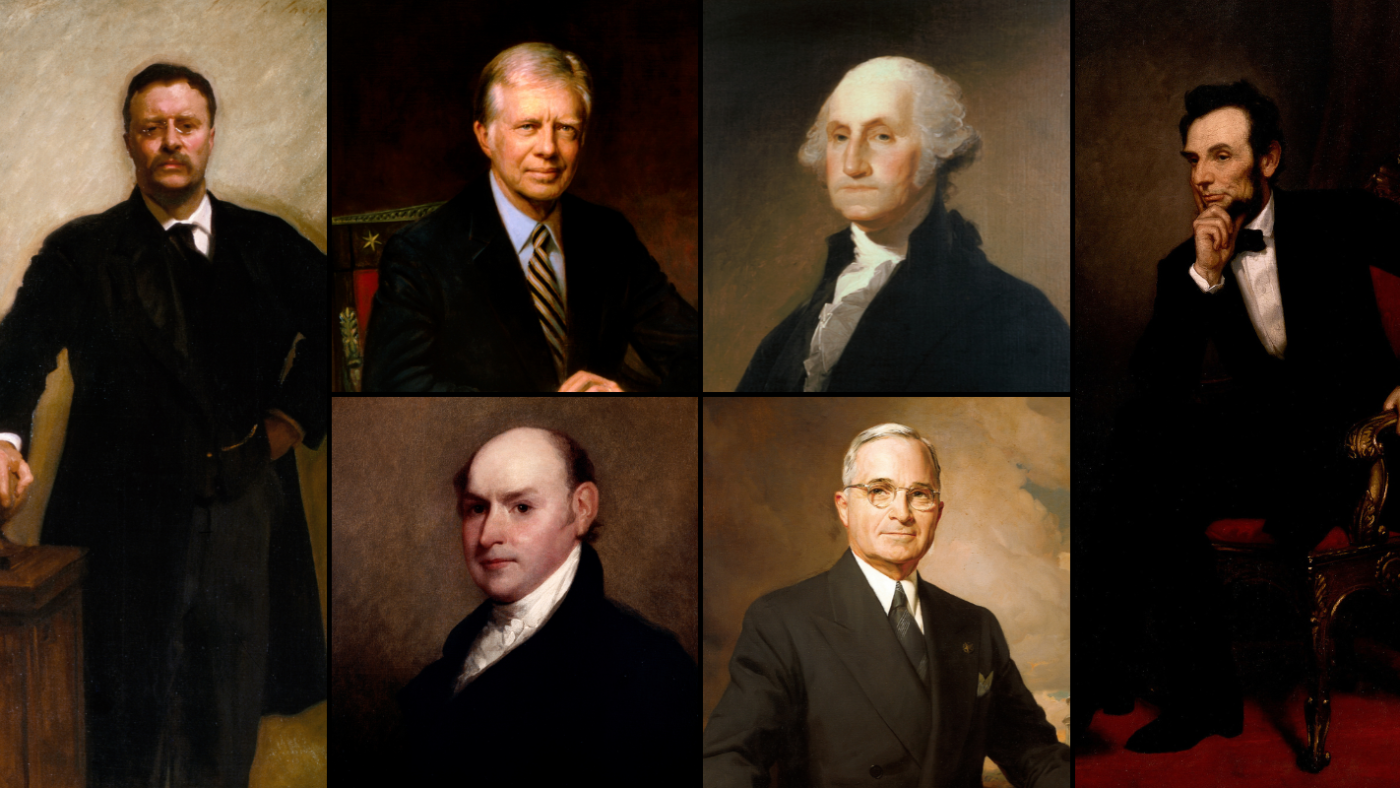
While much attention has been given to the sartorial choices of America’s first ladies, a new exhibit turns the spotlight on the clothing of American presidents. The White House Historical Association has launched “Suited to Lead,” an online exhibition that explores how six presidents used fashion to reflect their personalities and political messages.
The exhibit highlights the styles of George Washington, John Quincy Adams, Abraham Lincoln, Harry S. Truman, Theodore Roosevelt, and Jimmy Carter, showcasing how each president’s wardrobe choices were more deliberate and impactful than one might assume.
Setting a Revolutionary Tone
George Washington, a key figure during the Revolutionary War, opted for homespun fabrics and American-made materials to distance himself from British influence. This choice was highlighted by his command for the Continental Army to wear blue coats, contrasting the British red, symbolizing a new American identity.
Presidential Fashion Statements
“The presidents were so much more interested in dress and fashion than we might typically think,” said exhibit curator Fiona Hubbard, a New York University student specializing in costume studies.
Abraham Lincoln, for instance, is remembered for his trademark stovepipe hat and black frock coat, a significant departure from his usual workwear, which became iconic during his leadership.
Theodore Roosevelt’s fashion evolution from frontier buckskin suits to Rough Riders uniforms, and finally to tailored presidential suits, also illustrates how clothing was used to convey different aspects of his identity and leadership.
Modern Presidential Fashion
Fast forward to Jimmy Carter, whose choice of casual wear, including a televised appearance in a cardigan sweater, signaled a shift towards a more relaxed American style. This was part of a broader move towards energy conservation, as Carter encouraged Americans to lower their thermostats during an energy crisis.
“Even designers commented on it, and they were talking about how men should and can dress in American society, which was becoming more casual at the time,” noted Hubbard.
Historic Fashion Shifts
John Quincy Adams’ switch in the 1820s from knee breeches to pantaloons was seen as controversial at the time, as it broke from the traditional presidential attire. Yet, it also made him more relatable to the average American, showing how fashion choices could bridge gaps between the presidency and the public.
The Visual Impact of Presidential Attire
With the advent of photography and televised appearances, the visual presentation of presidents became increasingly significant. This was evident in the 1960 debate between John F. Kennedy and Richard Nixon, where Nixon’s appearance on camera made a lasting impact on the importance of television presence for presidential candidates.
As historian Summer Anne Lee notes, “We have to keep in mind that the presidency… has, up until this point, always been occupied by men and in large part by older men, and so a person in that job is expected to dress quite seriously, is expected to dress quite formally and quite traditionally.”
In today’s social media-driven world, how presidents and candidates present themselves continues to be a crucial element in their public image.
This article was originally written by www.npr.org