U.S. Military Intensifies Presence in South America Amid Drug Trafficking Concerns
In a significant strategic move, the Pentagon has announced the deployment of an aircraft carrier to South American waters. This escalation comes as part of the Trump administration’s intensified efforts against drug trafficking operations, particularly targeting vessels suspected of smuggling narcotics.
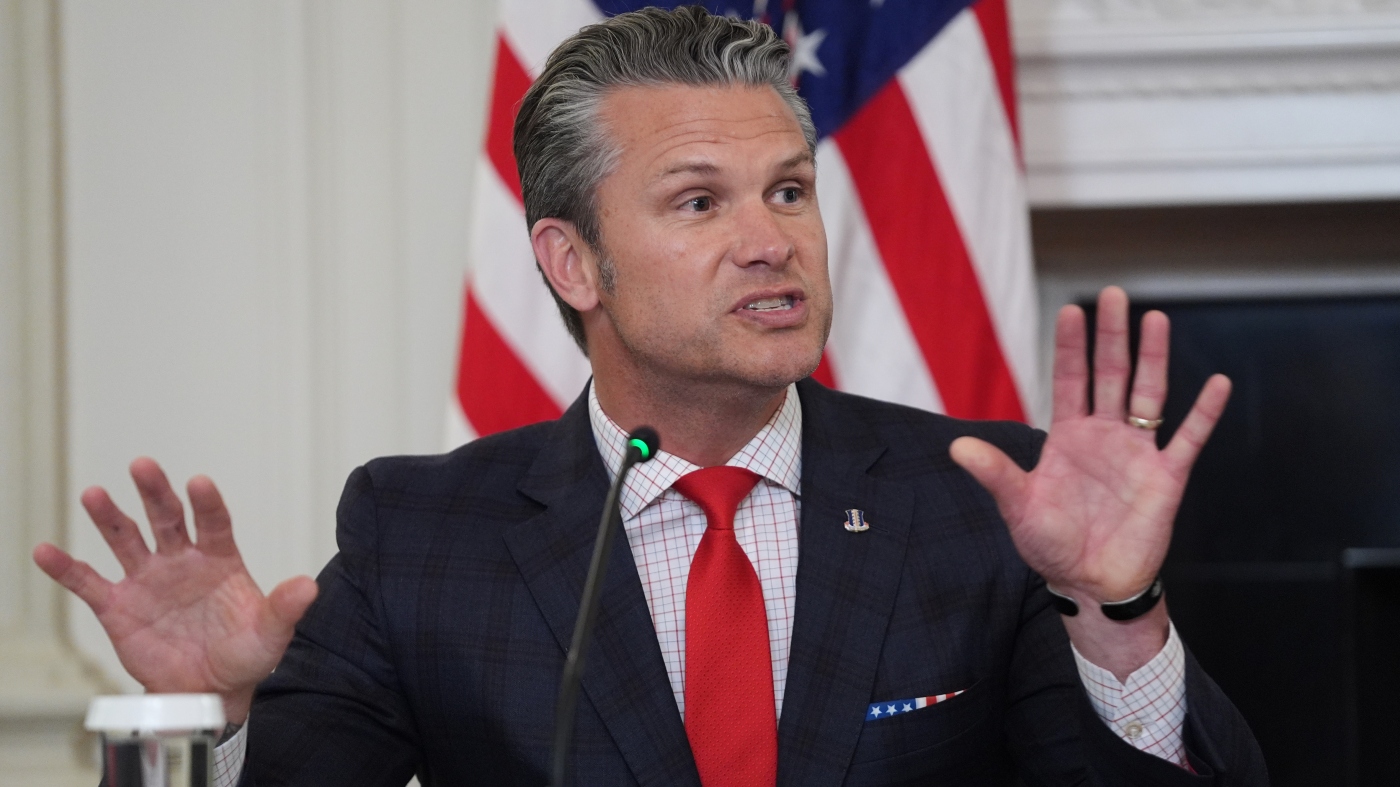
Defense Secretary Pete Hegseth has commanded the USS Gerald R. Ford, accompanied by its strike group, to enter the U.S. Southern Command region. According to Pentagon spokesman Sean Parnell, this decision aims to enhance the U.S. military’s capability to “detect, monitor, and disrupt illicit actors and activities that compromise the safety and prosperity of the United States.”
The USS Ford, equipped with five destroyers in its strike group, is currently stationed in the Mediterranean Sea. A source familiar with the operation confirmed its current port in Croatia’s Adriatic Sea but did not disclose the timeline for the group’s arrival in South American waters.
This deployment marks a notable increase in U.S. military resources in the Caribbean and off the Venezuelan coast. Such actions have sparked speculation regarding the administration’s objectives, including the potential aim to unseat Venezuelan President Nicolás Maduro, who faces narcoterrorism charges in the U.S.
Reinforcing Military Presence and Addressing Challenges
With over 6,000 sailors and Marines already stationed on eight warships in the region, the arrival of the USS Ford could potentially add nearly 4,500 personnel and nine aircraft squadrons to the area. However, the looming threat of Tropical Storm Melissa, which could escalate into a hurricane, complicates the military’s strategic considerations.
Hegseth reported on social media the military’s 10th strike on a suspected drug-running boat, resulting in six fatalities. These operations, which began in early September, have resulted in at least 43 deaths. The latest vessel targeted was linked to the Tren de Aragua gang, reinforcing the administration’s focus on this group.
Comparative Tactics in the War on Drugs and Terror
Hegseth’s recent statements have drawn parallels between the Trump administration’s anti-drug efforts and the post-9/11 war on terrorism. President Trump has labeled drug cartels as unlawful combatants, equating the current military actions with those authorized following the 9/11 attacks.
When questioned about seeking congressional approval for a formal declaration of war against drug cartels, President Trump dismissed the idea, stating, “I think we’re just going to kill people that are bringing drugs into our country, OK? We’re going to kill them, you know? They’re going to be like, dead.”
This stance has prompted concern among lawmakers from both parties regarding the potential for escalation and the lack of congressional oversight. “I’ve never seen anything quite like this before,” remarked Sen. Andy Kim, D-N.J., expressing apprehensions about the future of these military actions.
This article was originally written by www.npr.org