U.S. Military Targets Drug Smugglers in the Caribbean
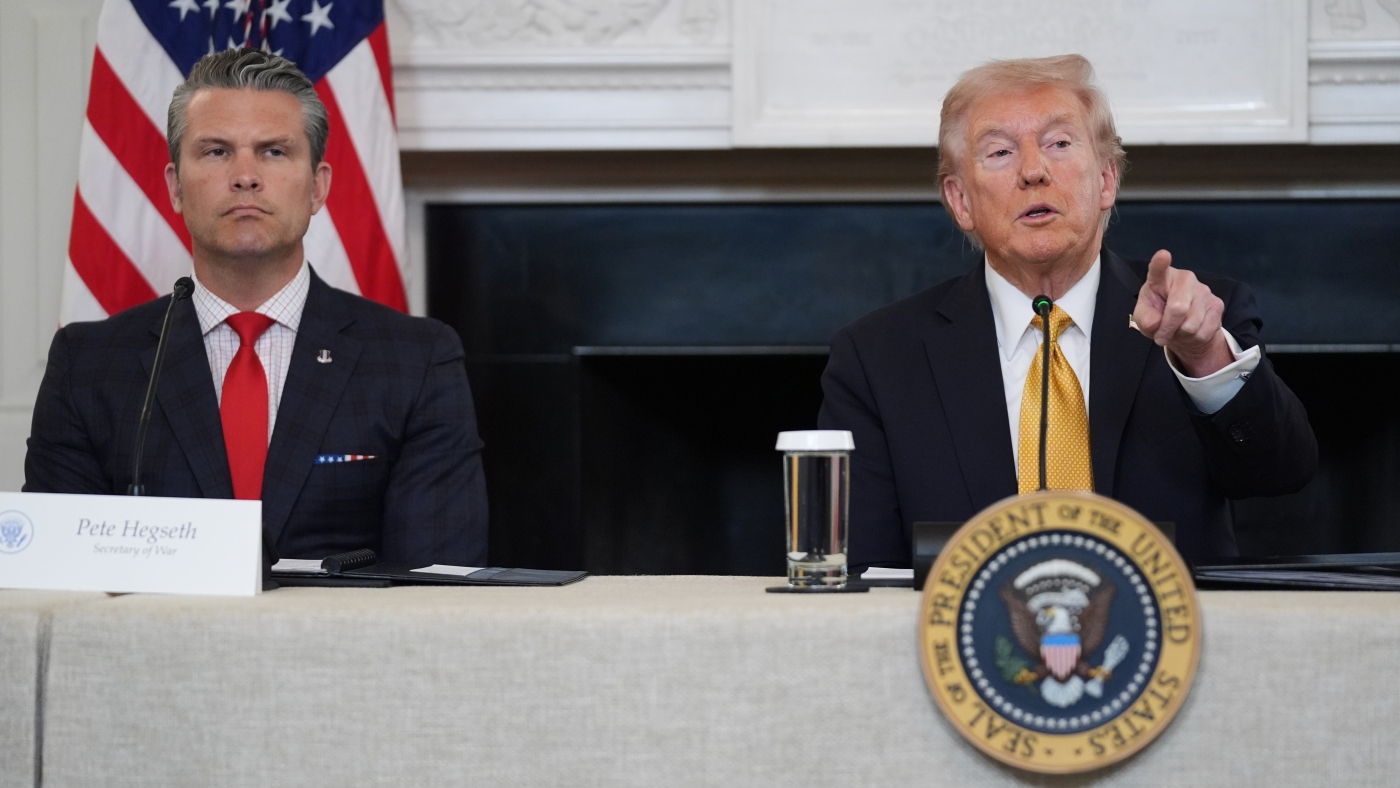
In a move underscoring the ongoing battle against drug trafficking, the U.S. military recently conducted another lethal operation in the Caribbean Sea, targeting a vessel linked to a terrorist organization. This latest action, announced by Defense Secretary Pete Hegseth, marks a significant escalation in efforts to curb the smuggling of narcotics into the United States.
On Saturday, Hegseth revealed via social media that the strike resulted in the deaths of three individuals aboard the vessel. While he refrained from specifying the group involved, Hegseth stated that the vessel was operated by a U.S.-designated terrorist organization. This strike is part of a broader campaign, which has seen at least 15 similar operations in the Caribbean and eastern Pacific since early September.
Hegseth emphasized, “This vessel—like EVERY OTHER—was known by our intelligence to be involved in illicit narcotics smuggling, was transiting along a known narco-trafficking route, and carrying narcotics.” The U.S. military’s actions have resulted in at least 64 fatalities to date.
President Donald Trump has justified these military interventions as essential to preventing drugs from infiltrating the U.S., likening the situation to an “armed conflict” with drug cartels. This justification draws on legal frameworks similar to those used by the Bush administration post-9/11 for the war on terrorism.
Calls for Transparency and Legal Justification
Despite the administration’s firm stance, U.S. lawmakers are pressing for more transparency. They have repeatedly requested the White House release detailed information about the legal grounds for these military strikes, as well as specifics on the cartels and individuals targeted.
Senate Democrats, led by figures such as Senate Minority Leader Chuck Schumer, have formally requested documentation, including all legal opinions related to the strikes and a list of targetable entities. This demand was articulated in a letter sent to Secretary of State Marco Rubio, Director of National Intelligence Tulsi Gabbard, and Defense Secretary Hegseth.
The letter criticizes the administration for providing “selectively shared” and “at times contradictory information” to certain members while excluding others. The senators argue for more comprehensive disclosure to ensure informed oversight.
Previously, bipartisan letters from the Senate Armed Services Committee also sought clarity on the legal basis and the designation of drug cartels as terrorist organizations. These letters were addressed to Hegseth, underscoring the ongoing demand for government accountability in military actions related to drug trafficking.
This article was originally written by www.npr.org