Challenges Loom as SNAP Faces Funding Uncertainty Amid Government Shutdown
Millions of Americans are left grappling with uncertainty as the Trump administration announces plans to restart Supplemental Nutrition Assistance Program (SNAP) benefits, albeit at reduced levels. The decision follows a weekend when funds for the program, which aids 42 million people, ran dry due to the ongoing government shutdown.
The administration intends to utilize $5 billion from an Agriculture Department contingency fund, a sum that falls short of the $8 billion needed each month for SNAP. This move, aimed at addressing the funding gap, leaves no room for new applicants, disaster assistance, or unforeseen emergencies. In court documents, officials expressed concern that depleting the fund could lead to “catastrophic consequences.”
Federal judges have deemed the freeze on SNAP payments unlawful, ruling that the government must restore the funding. The administration had until Monday to outline its plan to comply with this mandate. However, it warns of potential delays before benefits reach families, many of whom rely on these funds to meet their basic nutritional needs.
Legal and Administrative Hurdles
In response to the funding freeze, two judges have directed the Trump administration to use available emergency funds to sustain SNAP. Judge John McConnell Jr. and Judge Indira Talwani, presiding in Rhode Island and Boston respectively, dismissed the administration’s claim of legal constraints. While Talwani also suggested using customs revenues, the administration has not pursued this option.
Democracy Forward, representing cities and nonprofits in the lawsuit against the government, expressed readiness to continue legal efforts to ensure full SNAP funding. “It shouldn’t take a court order to force our President to provide essential nutrition that Congress has made clear needs to be provided,” stated Skye Perryman, President and CEO of Democracy Forward.
Meanwhile, Treasury Secretary Scott Bessent confirmed that the administration will not appeal the ruling. He suggested that SNAP funding could potentially be restored by Wednesday, although the procedural specifics remain unclear.
Implications for Beneficiaries
The administrative process required to adjust state eligibility systems for reduced benefits is expected to be complex and time-consuming. The duration of these adjustments could vary significantly across states, some taking weeks, others several months.
Despite the logistical challenges, some states have pledged to use their own resources to mitigate the impact. States like Arkansas, New Hampshire, and Washington have announced initiatives to bolster food banks, though federal reimbursement for these efforts is not guaranteed.
Food Banks Strain Under Pressure
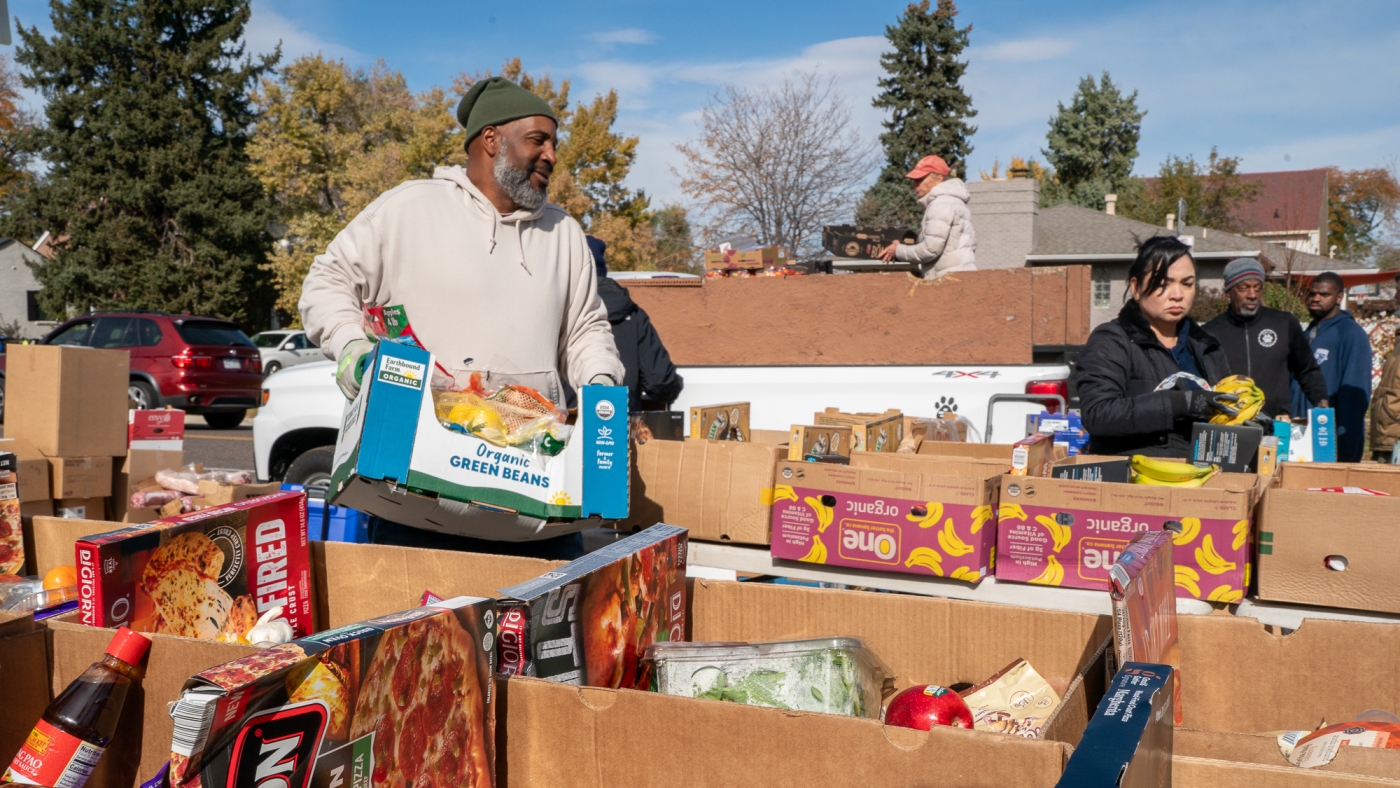
Food banks across the nation are bracing for increased demand as SNAP benefits remain uncertain. Elizabeth Keever of Harvesters in Kansas City, Missouri, noted the unprecedented nature of the situation, stating, “It’s nearly impossible to make up the gap that SNAP is leaving us, but we’re doing everything we can to make sure that we are easing this burden for folks.”
As the nation navigates this “scary moment,” the challenge of bridging the gap left by SNAP funding cuts underscores the critical role of government assistance in addressing hunger and food insecurity.
The Associated Press contributed to this report.
This article was originally written by www.npr.org