Historic Win: Zohran Mamdani Becomes New York City’s Next Mayor
In a groundbreaking election, Zohran Mamdani has been elected as the next mayor of New York City, marking a series of firsts for the city. Mamdani, at 34, will be the city’s first Muslim and person of South Asian descent to hold the office, and the youngest mayor in more than a hundred years.
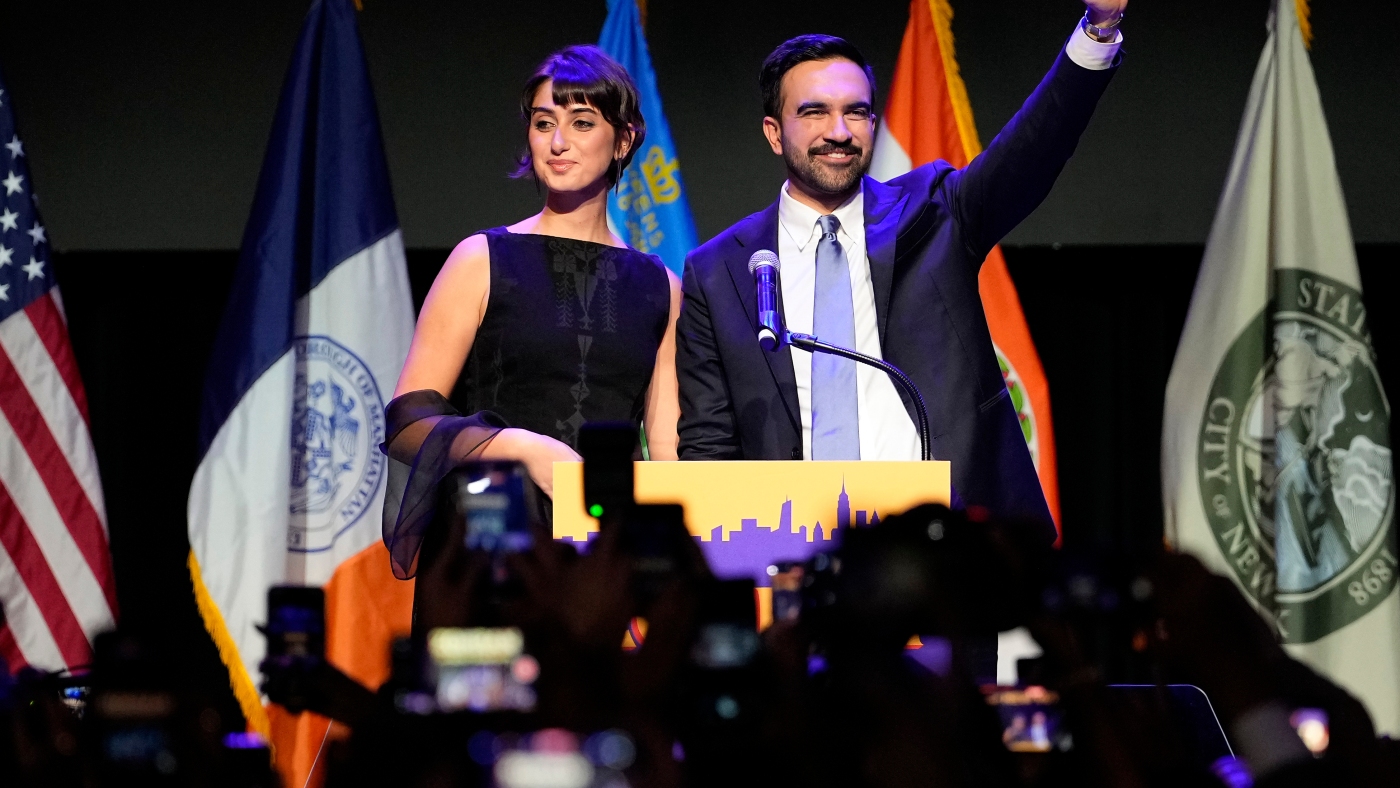
Addressing his enthusiastic supporters in Brooklyn, Mamdani declared, “The future is in our hands,” expressing triumph over what he described as the downfall of a “political dynasty.”
Mamdani, a Democratic socialist originally from Uganda, secured victory against Independent candidate and former New York Governor Andrew Cuomo, as well as Republican Curtis Sliwa, according to the Associated Press.
The rise of Mamdani is indeed remarkable. He was a relatively obscure state assemblymember from Queens before entering the mayoral race last year. After winning the Democratic primary by a 12-point margin, he quickly became a polarizing figure in American politics, drawing both admiration and criticism.
During his victory speech, Mamdani reaffirmed his socialist ideals, quoting historical socialist figure Eugene Debs and committing to better the lives of New York City’s workers. This vision has resonated with younger voters, including Dania Darwish, a 32-year-old Syrian-American from Brooklyn, who shared, “I voted with my parents, it’s a tradition of ours,” highlighting the emotional impact of Mamdani’s candidacy on her family.
Among Mamdani’s promises are fare-free city buses, rent freezes, universal child care, higher minimum wages by 2030, and reducing living costs by taxing large corporations and the wealthiest New Yorkers. His stance against President Trump’s criticisms and threats to cut federal funding has also been a significant aspect of his campaign.
Cuomo, in his concession speech, warned against antisemitism and crime, emphasizing the need for police to maintain order while criticizing Mamdani’s socialist leanings.
Campaign Challenges and Support
Mamdani’s journey was not without challenges. Critics cited his lack of experience and questioned his ability to implement his ambitious agenda. His criticisms of Israel have also alienated some voters in a city with the largest Jewish community outside Israel.
Despite these challenges, Mamdani’s message of an affordable city, amplified through social media and personal interactions, attracted young and first-time voters across the country. His campaign was bolstered by high-profile endorsements and a strong volunteer base, maintaining a substantial lead in pre-election polls.
The election saw record turnout, with over two million votes cast, a first since 1969. This was fueled significantly by young voters, who also drove record early voting numbers.
Election Dynamics
New York City’s mayoral race was marked by unexpected developments, including Democratic incumbent Eric Adams’ decision to run as an independent following the dismissal of a corruption case against him. Mamdani’s primary victory over Cuomo was a significant upset, given Cuomo’s political legacy and decade-long tenure as governor.
After his primary loss, Cuomo re-entered the race as an independent, aiming to attract moderate voters. He received Adams’ endorsement after the latter withdrew from the race in September.
The race ultimately boiled down to Mamdani, Cuomo, and Sliwa, with the latter maintaining his candidacy despite calls to withdraw to avoid splitting the vote against Mamdani.
The race culminated in two heated debates and concluded with a decisive victory for Mamdani, signaling a shift in New York City’s political landscape amidst ongoing tensions with the Trump administration.
This article was originally written by www.npr.org