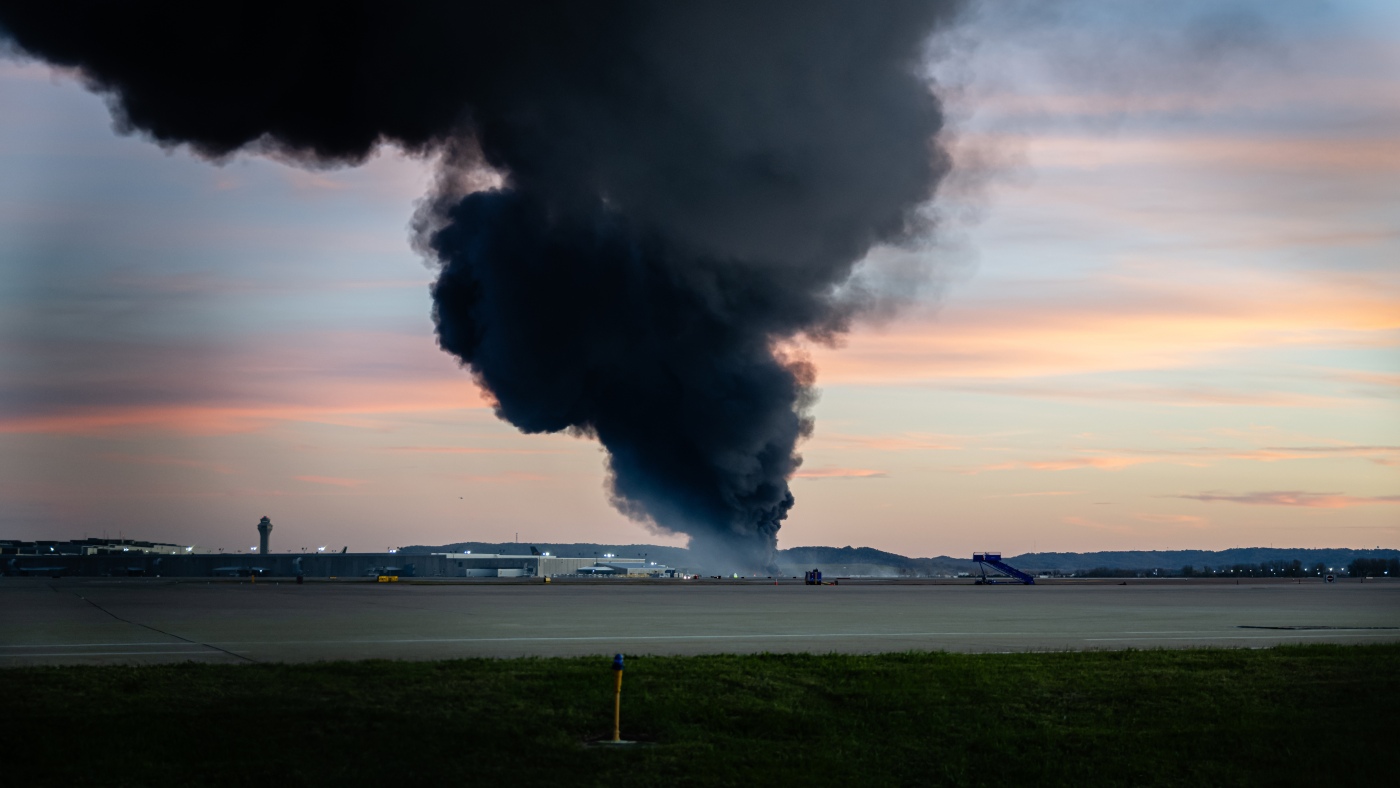
Tragedy Strikes as UPS Cargo Plane Crashes in Kentucky
A devastating crash involving a UPS cargo plane occurred at Louisville Muhammad Ali International Airport, leading to significant loss and disruption. The incident, which took place on a Tuesday, resulted in the deaths of at least 12 individuals and left nearly 20 injured, while also halting operations at UPS’s major distribution hub.
As the investigation unfolds, federal authorities are set to delve into the aircraft’s maintenance records and data recorder following a catastrophic engine failure. One of the engines detached during takeoff, raising critical questions about the aircraft’s condition.
Engine Detachment and Fire
Preliminary reports indicate that a fire ignited on the left wing as the plane prepared for takeoff, causing the engine to fall off. This engine was later found beside the runway. Despite having three engines, experts such as John Cox of Safety Operating Systems suggest that the plane should have been capable of taking off with only two functioning engines. However, additional damage may have compromised this ability.
Historical Echoes of a Past Disaster
Experts have drawn parallels between this crash and a 1979 disaster at Chicago’s O’Hare airport involving similar General Electric engines. That tragedy, which resulted in 273 fatalities, was attributed to improper maintenance. The NTSB is now scrutinizing the UPS plane’s entire maintenance history.
UPS has reported no recent maintenance delays or work on the flight before its departure. However, records show the McDonnell Douglas MD-11 had been under maintenance in San Antonio for over a month prior to mid-October, with details on the work performed yet to be clarified.
Difficulties During Takeoff
According to aviation attorney Pablo Rojas, visual evidence indicates that the aircraft struggled to gain altitude, with flames visible along its left side. The plane, heavy with fuel and bound for Honolulu, clipped a building before bursting into flames, creating a hazardous situation akin to a “bomb,” Rojas explained.
Impact and Aftermath
The crash site, situated in an area with scrap yards and UPS facilities, narrowly avoided additional casualties by missing a nearby restaurant bar and a Ford auto assembly plant occupied by hundreds. The resulting fire spanned nearly a city block, largely consuming the aircraft’s fuselage.
Operational Disruptions at UPS and Airport
In the wake of the crash, UPS suspended operations at its Louisville processing hub, known as UPS Worldport. This facility manages 300 flights daily and processes over 400,000 packages hourly, and it’s uncertain how the incident will affect shipping activities. Meanwhile, Louisville Muhammad Ali International Airport reopened for commercial passenger flights with limited runway availability.
This article was originally written by www.npr.org