Boeing Avoids Criminal Charges in 737 Max Tragedy After Court Ruling
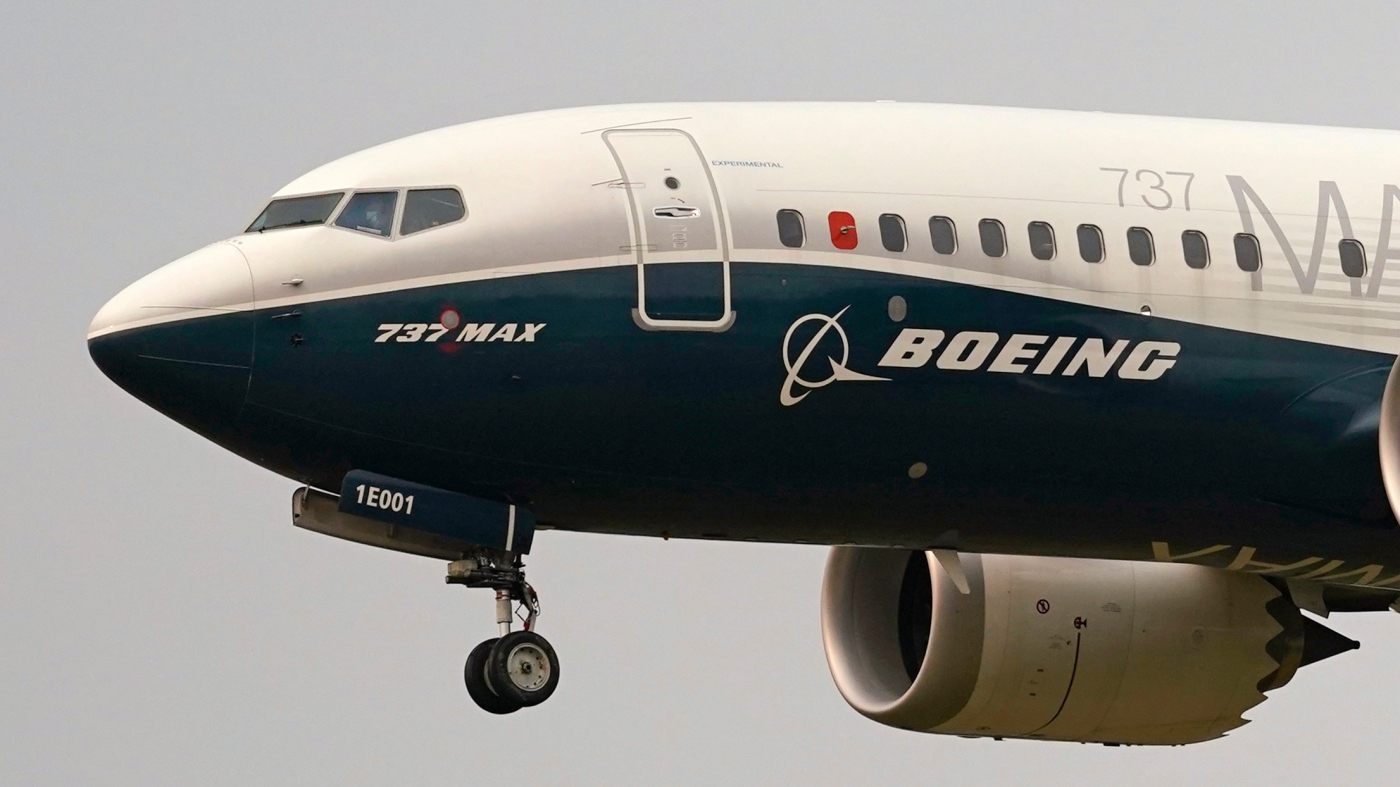
In a significant legal development, Boeing will not face criminal conspiracy charges connected to the tragic crashes of its 737 Max jetliners, which resulted in the loss of 346 lives. This decision was reached after a federal judge in Texas dismissed the case at the request of the government.
The resolution of this case involves Boeing agreeing to an additional $1.1 billion in fines, compensation, and investments aimed at enhancing internal safety measures. The agreement permits Boeing to appoint its own compliance consultant, circumventing the need for an independent monitor.
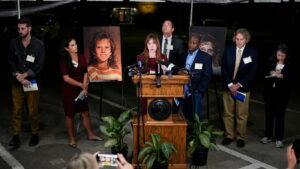
Federal prosecutors had accused Boeing of misleading regulators about a flight-control system implicated in the crashes. This ruling follows a poignant hearing in Fort Worth, where victims’ families appealed to U.S. District Judge Reed O’Connor to reject the deal and demand a special prosecutor.
Judge O’Connor remarked that the deal “fails to secure the necessary accountability to ensure the safety of the flying public,” but stated that the court couldn’t block the dismissal based on disagreement with the government’s perspective.
All lives were lost when two 737 Max flights crashed within five months of each other in 2018 and 2019—one a Lion Air flight near Indonesia, the other an Ethiopian Airlines flight near Addis Ababa.
Victims’ families have expressed their intent to appeal this decision. Paul Njoroge, who lost his family in the Ethiopia crash, criticized the resolution, stating, “When a company’s failures cost so many lives, ending a criminal case behind closed doors erodes trust and weakens deterrence for every passenger who steps onto a plane.”
The case against Boeing has evolved since the Justice Department initially charged the company in 2021 with defrauding the government. Boeing had initially agreed to a settlement with no prosecution, but later agreed to plead guilty to charges, which Judge O’Connor rejected.
Following the ruling, Boeing reiterated its commitment to honoring the agreement, emphasizing efforts to strengthen safety, quality, and compliance. The Justice Department defended the resolution as “the most just outcome,” noting the support or neutrality of 110 victims’ families regarding the deal.
Opposition remains strong, with nearly 100 families against the agreement. At a hearing in Texas, Catherine Berthet, who lost her daughter in the Ethiopia crash, urged the court, “Do not allow Boeing to buy its freedom.”
As the first civil trial commences in Chicago to determine Boeing’s financial liability for one victim’s family, the focus remains on the software system Boeing designed for the 737 Max. The system’s flaws, undisclosed to pilots, led to the plane’s grounding for 20 months following the crashes.
Investigations revealed that Boeing failed to inform the FAA about software changes before pilot training requirements were set, raising significant concerns about the aircraft’s certification process.
This article was originally written by www.npr.org