An Intense Campaign: U.S. Military Targets Suspected Drug Boats
In recent months, the U.S. military has been actively engaging in operations targeting boats in the Caribbean Sea and Pacific Ocean. These operations, which began on September 2, have seen numerous vessels attacked under allegations of drug smuggling intentions. As a result, these strikes have reportedly resulted in numerous casualties.
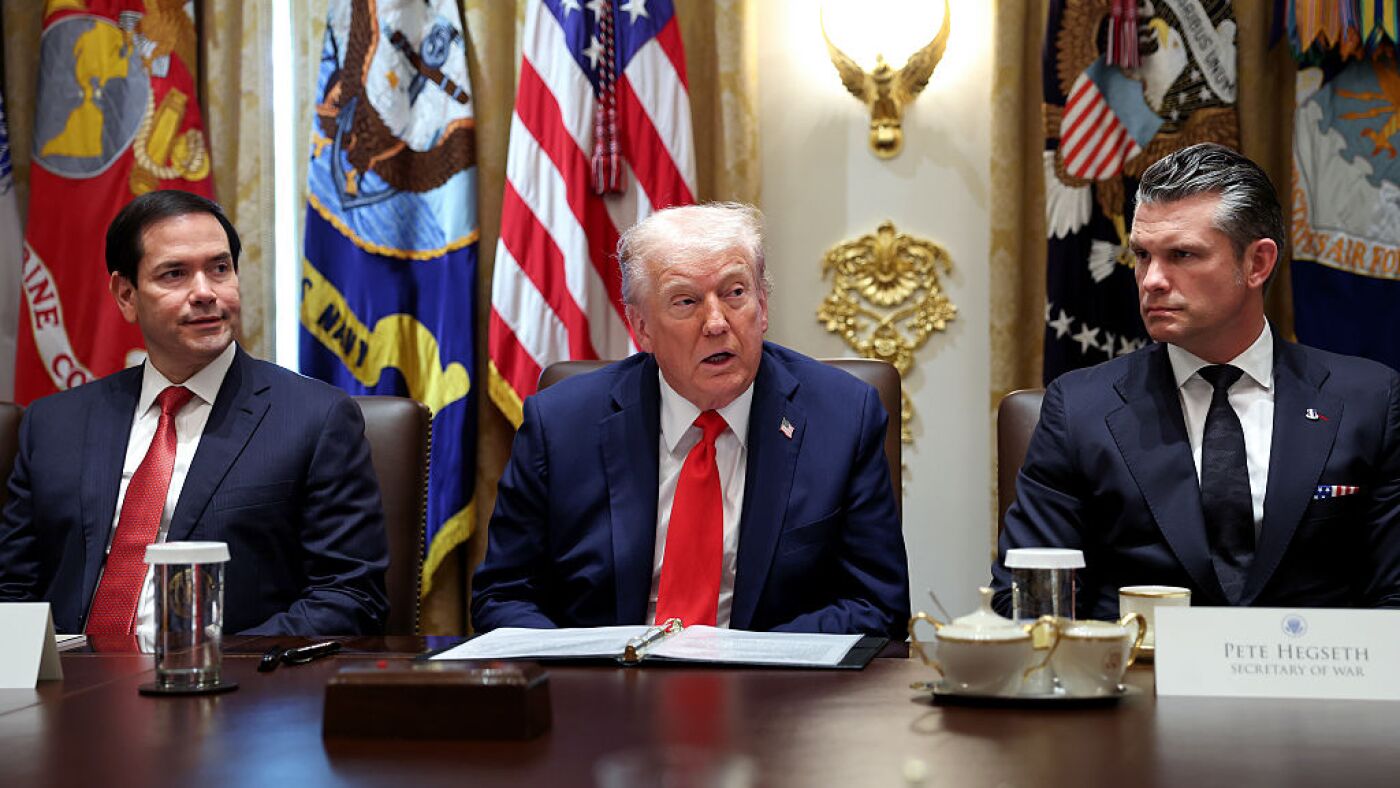
Data gathered from President Trump’s and Defense Secretary Pete Hegseth’s posts on Truth Social and X have documented these operations, showing video evidence of the destruction of the targeted boats. However, the administration has yet to provide additional evidence confirming the presence of drugs on these vessels or the identity of those onboard. Some lawmakers have been informed about the operations, but key figures, including the leaders of the Senate Armed Services Committee, are still seeking additional details. Read more.
The strikes are part of a broader strategy by the Trump administration aimed at eliminating what they label as “narco-terrorists.” On November 4, Secretary Hegseth posted on X, promising to “find and terminate EVERY vessel with the intention of trafficking drugs to America to poison our citizens,” emphasizing that “NO cartel terrorist stands a chance against the American military.” See post.
A significant focus of these efforts is the Tren de Aragua, a Venezuelan gang designated as a foreign terrorist organization earlier this year. President Trump has frequently accused the group of criminal activities within the U.S. “Such organizations torture, maim, mutilate and murder with impunity,” Trump stated during a United Nations address on September 23. “And for this reason, we’ve recently begun using the supreme power of the United States military to destroy Venezuelan terrorists and trafficking networks led by [Venezuelan President] Nicolás Maduro.” The Venezuelan government has consistently denied any involvement in drug trafficking activities. More details.
Legal experts are questioning the extent of the executive branch’s authority to conduct these operations in international waters without Congressional approval. The administration maintains it has the right to act without a formal declaration of war. Meanwhile, reports suggest that these military actions have resulted in civilian casualties. Colombian President Gustavo Petro accused the U.S. of killing a Colombian fisherman unconnected to drug trafficking during a strike in September. Tensions between the U.S. and some Latin American nations have been rising since President Trump assumed office, and this latest operation further strains diplomatic relations. Explore the impacts.
This article was originally written by www.npr.org