The Rise of Friendsgiving: Celebrating Gratitude with Friends
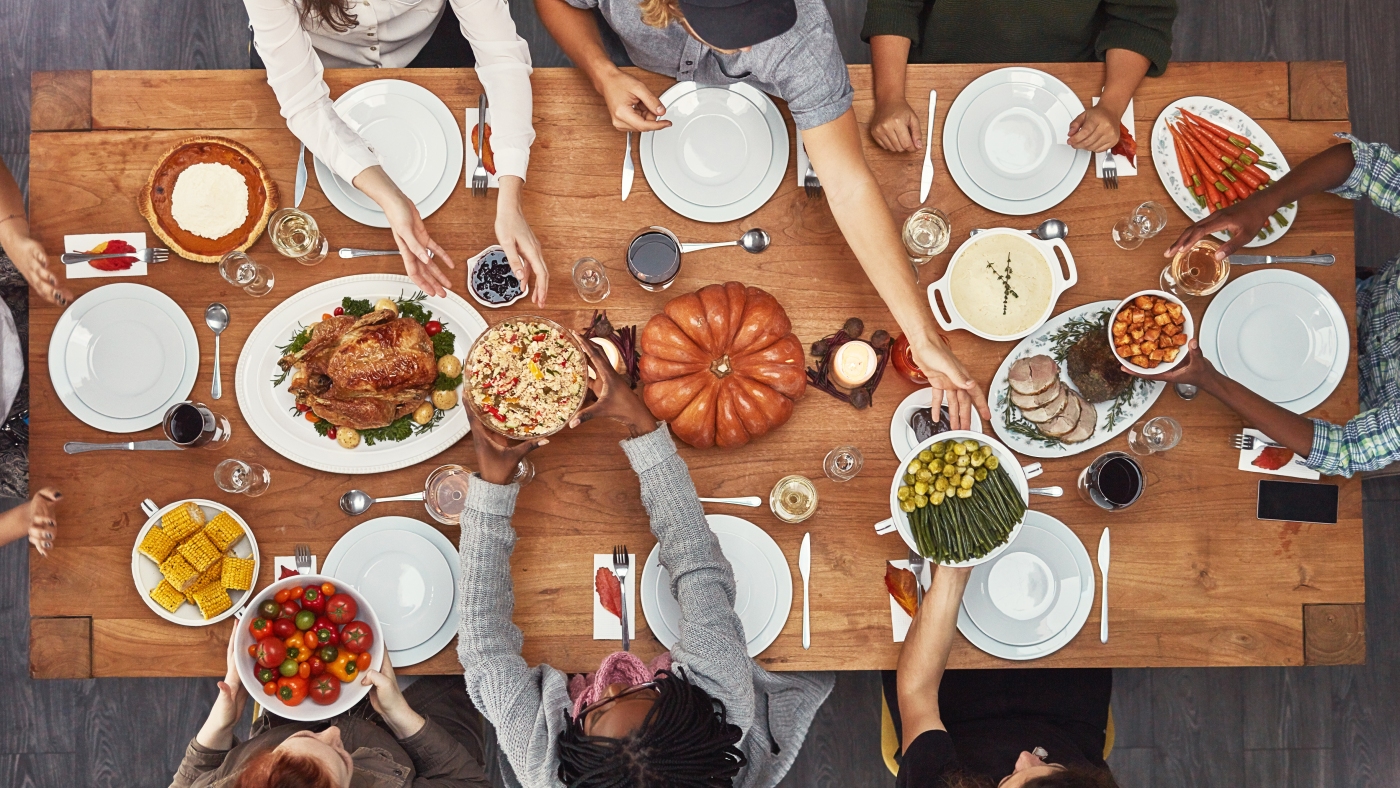
Every November, while Thanksgiving remains a cherished tradition for many Americans, a growing number are embracing Friendsgiving—a festive gathering of friends to enjoy a meal reminiscent of Thanksgiving but often with less formality and more fun.
Friendsgiving is a relatively new term, defined as a celebration held around Thanksgiving where friends come together to share a meal. Typically, this gathering features many of the same dishes found at a Thanksgiving feast but is usually presented in a potluck style.
The concept offers a reprieve from family obligations, political debates, and travel hassles. “There are your friends, and there’s Thanksgiving,” said Emily Brewster, senior editor at Merriam-Webster. “It’s a great example of a word that is just an excellent candidate for adoption as soon as someone thought of it.”
An Old Tradition with a New Name
While Friendsgiving feels contemporary, the act of celebrating Thanksgiving with friends has historical roots. Pop culture has long depicted this idea, from the 1973 classic A Charlie Brown Thanksgiving to the beloved TV show Friends, which featured Thanksgiving episodes in all ten of its seasons.
The term “Friendsgiving” emerged more recently, gaining traction in 2007 on platforms like Twitter and Usenet. Its catchy and intuitive nature helped it spread rapidly, according to Brewster. It gained further popularity in 2011, highlighted by a Bailey’s Irish Cream ad campaign and as a plot point on Real Housewives of New Jersey.
Google searches for “Friendsgiving” spiked that year and continued to grow, indicating its increasing cultural significance. By 2020, Merriam-Webster officially added the term to its dictionary.
Celebrating Friendsgiving
Friendsgiving has not only inspired individuals but has also become a marketing opportunity for restaurants and has even been celebrated by public figures, including a sitting president. While exact participation numbers are unknown, surveys suggest that up to 20% of Americans may partake in Friendsgiving celebrations.
Lizzie Post of the Emily Post Institute notes that questions about Friendsgiving etiquette began surfacing as the term gained popularity. Many wondered if Friendsgiving could be celebrated alongside family Thanksgiving, and the answer was a clear yes. People often choose to engage in both events.
Emily Stephenson, author of The Friendsgiving Handbook, sees Friendsgiving as a perfect opportunity for younger generations to gather, especially after the isolation brought on by the COVID-19 pandemic. She emphasizes that the event should be stress-free, even suggesting alternatives to the traditional turkey centerpiece.
Hosting Tips for Friendsgiving
For those looking to host, here are some expert tips:
- Plan Ahead: Ask about dietary restrictions and keep a list of who is bringing what dish.
- Main Course: Consider simpler main dish options like turkey legs or non-traditional alternatives.
- Assign Roles: Don’t hesitate to delegate tasks to guests to ease the hosting load.
- Leftovers Etiquette: Offer guests the leftovers of the dishes they brought.
Guidance for Guests
Guests attending Friendsgiving should remember the following:
- Communicate Dietary Needs: Inform the host of any dietary restrictions and offer to bring a suitable dish.
- Bring a Dish: Avoid arriving empty-handed; a prepared dish is appreciated.
- Express Gratitude: A simple thank you to your host is always appreciated.
This article was originally written by www.npr.org