Controversial Maritime Strikes by the U.S. Raise Legal and Ethical Questions
The Trump administration is under scrutiny for its recent campaign targeting small boats suspected of drug smuggling from South America to the U.S. Amid accusations of extrajudicial killings, the roles of key figures in these operations have come into question, leading to a murky understanding of the chain of command.
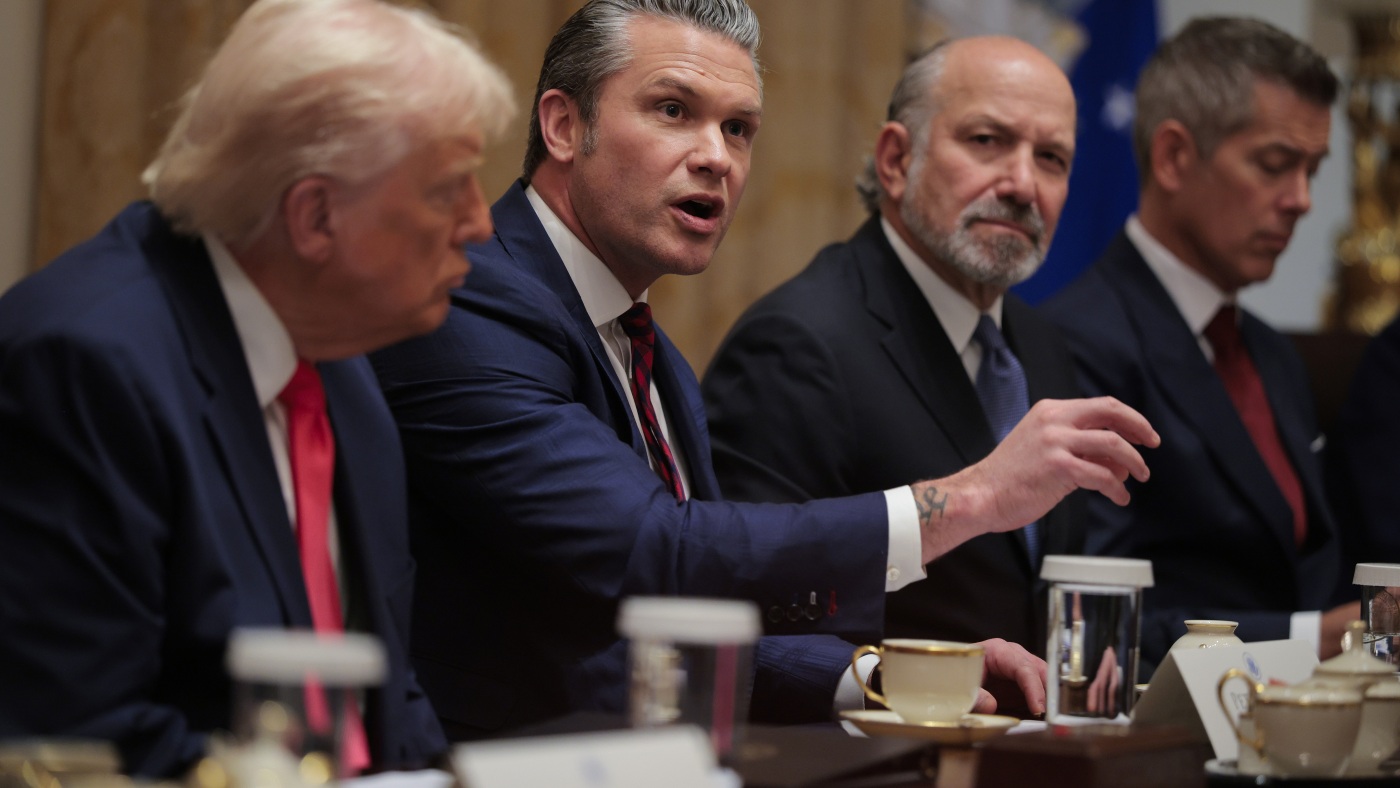
Defense Secretary Pete Hegseth acknowledged authorizing and observing initial strikes on a suspected drug-smuggling vessel but denied involvement in subsequent actions that resulted in fatalities. “I watched that first strike live,” Hegseth stated during a Cabinet meeting. He attributed the decision to sink the vessel, killing surviving crew members, to Adm. Frank M. Bradley.
Concerns have been raised by lawmakers, including Rep. Adam Smith, who criticized Hegseth for deflecting responsibility. “He’s the secretary of defense. You know, he’s putting them in a terrible spot by giving them these highly questionable orders,” Smith commented on NPR’s Morning Edition.
The legality of these strikes remains contentious. The Department of Justice issued a memo claiming the U.S. is engaged in a non-international armed conflict with drug cartels, justifying the military’s actions under the laws of war. However, the memo’s clarity is disputed. “This memo that’s out there explaining the legal justification for this is fascinating because half of it says, this is why this is an armed conflict,” Smith said.
Further complicating the issue, The Washington Post uncovered that survivors of the initial strike were visible during the second attack. Hegseth initially dismissed these claims as fake news but later confirmed the facts.
Critics, including Sarah Yager of Human Rights Watch, argue that these actions could be considered murder rather than war crimes, as they do not occur within a legally recognized armed conflict. “It sets a dangerous template for a United States that believes it can strike anywhere on the planet without rules, limits, or consequences,” Yager warned.
President Trump and Secretary Hegseth have justified the strikes, claiming they target “narcoterrorists.” Despite this, proof remains undisclosed, and Trump’s assertions about the impact on drug trafficking lack evidence. Meanwhile, data from Sen. Rand Paul suggests a significant portion of Coast Guard interdictions find no drugs, raising questions about the accuracy of these operations.
As the debate continues, the responsibility and legality of these strikes are expected to face further scrutiny, especially with upcoming Congressional hearings.
This article was originally written by www.npr.org