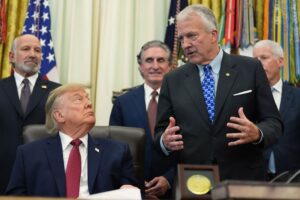
The agricultural sector is facing significant challenges as it grapples with the impacts of recent trade policies. In a bid to alleviate some of these pressures, President Trump has announced a substantial $12 billion aid package aimed at supporting farmers as they navigate the complexities of increased tariffs on their exports. However, this financial support, while welcomed by many, is not addressing all the concerns farmers currently face.
One of the persistent issues that remains for farmers is the rising cost of health care, which continues to strain their finances despite the government’s intervention. Many in the farming community have expressed that the aid package, although helpful, does not mitigate the broader economic challenges they are experiencing. The combination of trade tensions and escalating health care expenses creates a precarious situation for those in the agricultural industry.
The $12 billion package is designed as a one-time payment to help farmers adjust to the new economic landscape shaped by the trade policies. It aims to provide immediate relief and support to those most affected by the tariffs, which have disrupted traditional export markets. Yet, the ongoing burden of increasing health care costs remains a significant concern, leaving some farmers questioning the long-term viability of their operations.
As the agricultural community continues to adapt to these changes, the interplay of trade policies and health care expenses highlights the need for comprehensive support measures. While the aid package offers a temporary reprieve, the broader economic challenges require sustained attention and solutions to ensure the resilience and sustainability of the farming sector.
This article was originally written by www.npr.org