Nicolás Maduro’s Legal Battle Commences on U.S. Soil
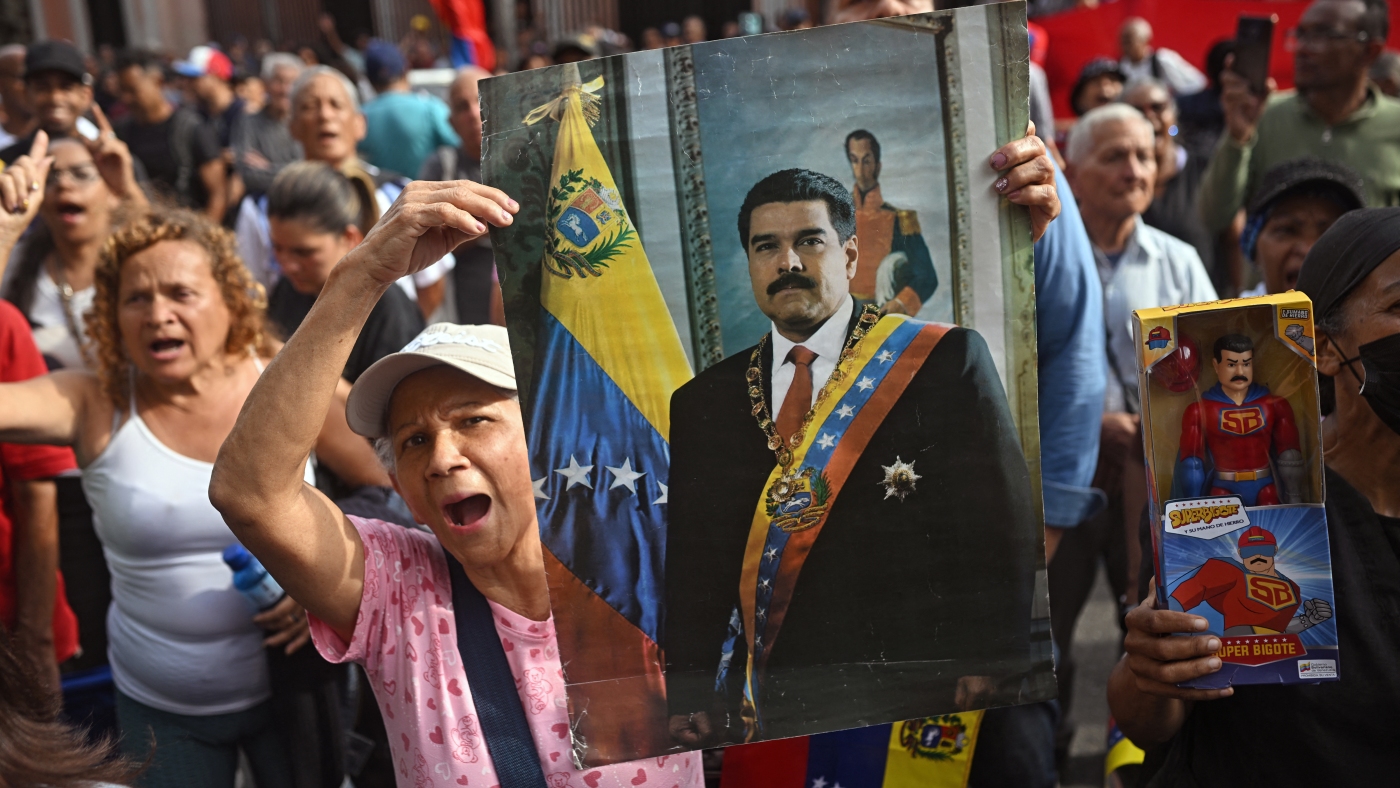
As the former Venezuelan President Nicolás Maduro steps into the American legal arena, the spotlight turns to his upcoming trial. After being brought to the United States under dramatic circumstances, Maduro now faces a series of serious charges in a New York court.
Maduro has entered a plea of not guilty to charges including narco-terrorism conspiracy, cocaine-importation conspiracy, and possession of machine guns. These charges were presented during his initial court appearance in Manhattan. His wife, Cilia Flores, who was also taken into custody during the U.S. operation in Caracas, has similarly pleaded not guilty, according to the superseding indictment.
U.S. Attorney General Pam Bondi emphasized the gravity of the situation by stating on social media that Maduro and Flores “will soon face the full wrath of American justice on American soil in American courts.” This marks the beginning of what could potentially be a lengthy and complex legal process involving pretrial motions, plea negotiations, and possibly a jury trial for the former leader.
Challenges Arising from Maduro’s Former Role
Legal experts anticipate that Maduro’s defense team may argue he cannot be prosecuted for actions undertaken as Venezuela’s head of state. This defense strategy, according to former federal prosecutors, could be pivotal in the courtroom.
Barry Joel Pollack, listed as Maduro’s defense attorney, has yet to comment publicly on the charges. Meanwhile, Mark Donnelly, representing Flores, remarked that they are preparing to challenge the government’s case, indicating a “long road ahead.”
The U.S. ceased to recognize Maduro as Venezuela’s legitimate president in 2019 following a controversial election. This context is crucial as the U.S. moves forward with the trial, which has parallels in past cases like that of Panamanian dictator Manuel Noriega, who also faced charges in the U.S.
Implications of Maduro’s Arrest Methodology
Another potential defense avenue could be the manner of Maduro’s capture. Unlike typical extradition processes, Maduro was apprehended by the U.S. military in a sudden operation in Caracas. This raises questions about the legality of his seizure, reminiscent of concerns in other high-profile cases.
Adam Fels, a former federal prosecutor, suggests that although such issues have been litigated before, they could resurface in this trial. However, Shane Stansbury, a Duke University law professor, notes that federal courts generally refrain from intervening in arrest methods.
Classified Evidence May Complicate Proceedings
The nature of evidence in this case could significantly impact the trial timeline. Stansbury points out that some evidence might be classified, complicating the discovery process where both sides share evidence. The Classified Information Procedures Act will dictate how any sensitive information is handled, potentially introducing delays similar to those seen in other high-profile cases.
Plea Deal Considerations and Trial Prospects
Despite Maduro’s current not guilty plea, negotiations for a plea deal remain a possibility. The machine gun charges, carrying severe penalties, could incentivize Maduro to negotiate. Nonetheless, if no agreement is reached, the case will proceed to trial, with federal prosecutors continuing to build their case.
Fels, drawing from his experience in prosecuting El Chapo, suggests that the government will need to present a robust case with substantial evidence to secure a conviction. The ultimate challenge lies in effectively conveying the allegations to a jury.
This article was originally written by www.npr.org