Widespread Termination of Federal Grants Sparks Concerns in Mental Health and Addiction Services

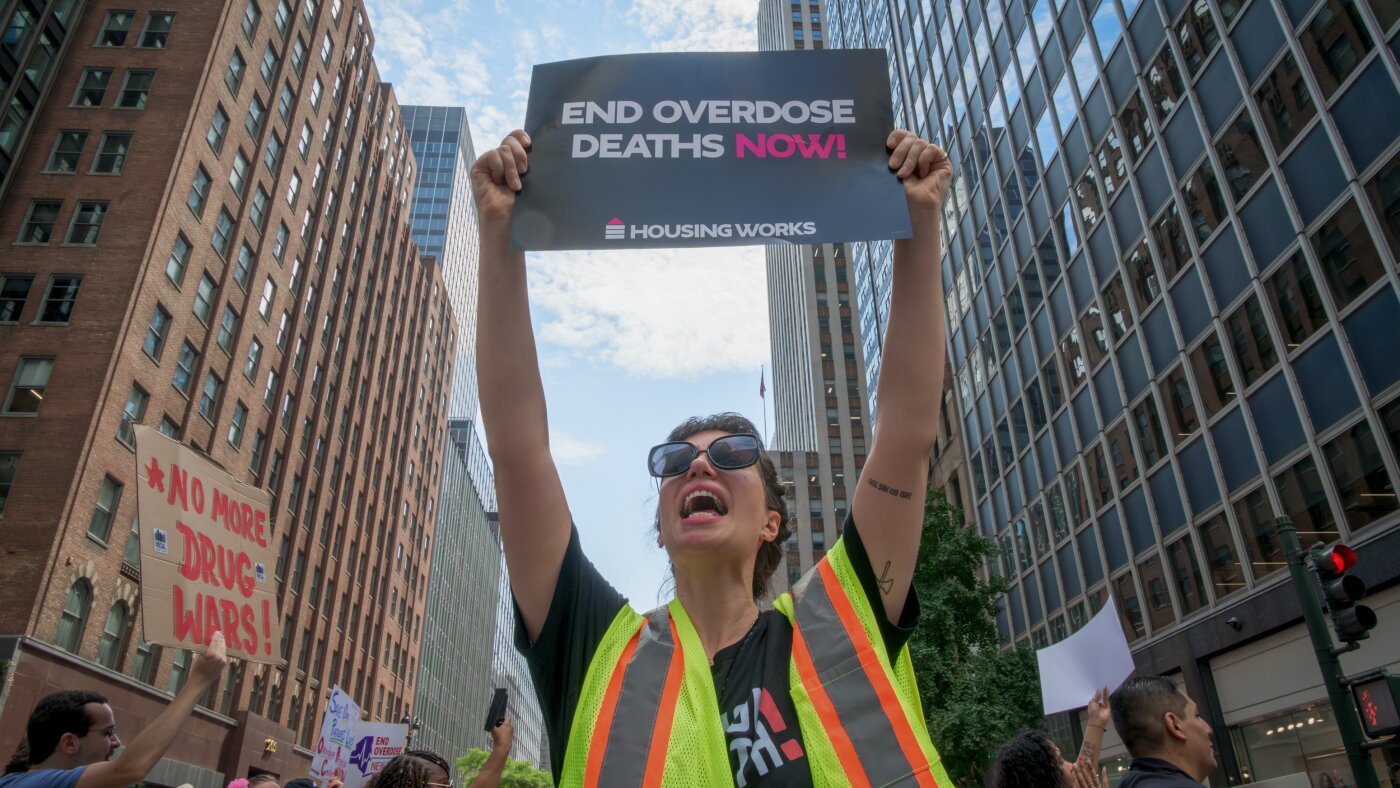
A demonstrator holds a sign during International Overdose Awareness Day on Aug. 28, 2024 in New York City. Erik McGregor/LightRocket via Getty Images/LightRocket
The sudden decision by the Trump administration to terminate numerous federal grants has caused a significant upheaval within the U.S. mental health and addiction care sectors. The grants, which are pivotal in supporting health services, have been rescinded with immediate effect.
According to insiders, the cuts to nonprofit organizations offering essential street-level care might reach approximately $2 billion. However, NPR has not independently confirmed the exact magnitude of these grant terminations, and the U.S. Substance Abuse and Mental Health Services Administration (SAMHSA) has not provided further details.
Andrew Kessler, who leads Slingshot Solutions, a consulting firm aiding mental health and addiction agencies, highlighted the potential repercussions. He stated, “We are definitely looking at severe loss of front-line capacity. [Programs] may have to shut their doors tomorrow.”
Kessler has examined several termination letters spanning across various cities such as Salt Lake City, El Paso, and Detroit.
Ryan Hampton, founder of Mobilize Recovery, revealed that his organization lost about $500,000 “overnight.” He expressed grave concerns, saying, “Waking up to nearly $2 billion in grant cancellations means front-line providers are forced to cease overdose prevention, naloxone distribution, and peer recovery services immediately, leaving our communities defenseless against a raging crisis.”
The letters reviewed by NPR indicate that SAMHSA officials have decided these programs no longer align with the Trump administration’s objectives, leading to their termination.
These terminations coincide with earlier Medicaid reductions enacted by the Republican-led Congress, further burdening mental health and addiction service providers.
Kessler noted the urgent challenges ahead, stating, “In the short term, there’s going to be severe damage. We’re going to have to scramble.”
Regina LaBelle from Georgetown University, who has previously headed the Office of National Drug Control Policy, emphasized the vital role of these federal funds, stating, “From first responders to drug courts, continued federal funding quite literally save lives.”
This is a developing story.
This article was originally written by www.npr.org