Escalating Tensions in Iran Amidst Recent Protests and Global Reactions
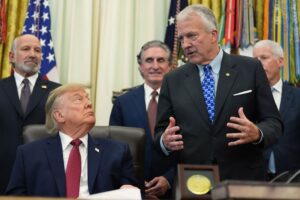
DUBAI, United Arab Emirates — The recent wave of protests that swept across Iran has now subsided, but not without leaving a profound impact on the nation’s political landscape. A senior Iranian cleric has called for the execution of those detained during the demonstrations, highlighting the deep-seated anger within the country’s leadership. At the heart of these tensions, U.S. President Trump has opted for a more conciliatory stance, expressing gratitude for the halted executions of protestors.
The demonstrations, which began on December 28 over economic grievances, quickly transformed into a direct challenge against Iran’s ruling theocracy. Although the protests have ceased, the aftermath remains tense, with authorities maintaining an internet blackout and keeping a close eye on the streets of Tehran.
Despite the cessation of protests, President Trump remarked, “Iran canceled the hanging of over 800 people,” and expressed his respect for this decision. However, details on whom Trump communicated with in Iran remain unclear.
The Human Rights Activists News Agency, based in the U.S., reported a death toll of 3,090, marking it as one of the deadliest periods in Iran since the 1979 revolution. This figure has yet to be independently verified by the Associated Press, and Iran’s government has not provided any official casualty numbers.
Cleric’s Call for Execution Sparks Controversy
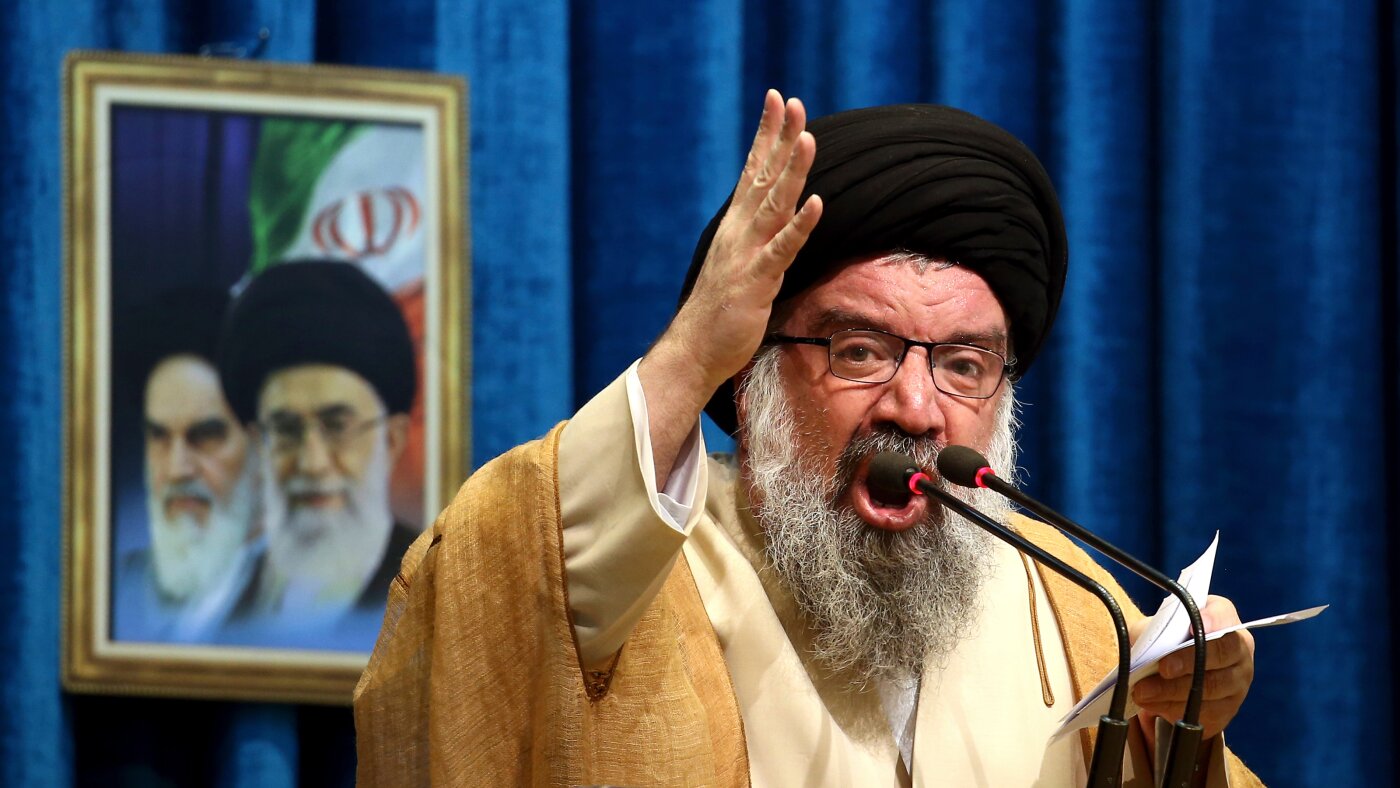
Ayatollah Ahmad Khatami, a prominent hard-line cleric, delivered a fiery sermon broadcasted by Iranian state radio, calling for the execution of protestors. His remarks were met with chants of “Armed hypocrites should be put to death!” from the congregation. Khatami criticized the protesters, labeling them as allies of Israeli Prime Minister Netanyahu and “Trump’s soldiers.”
In an effort to de-escalate tensions, Russian President Vladimir Putin engaged in discussions with both Iranian President Masoud Pezeshkian and Israeli Prime Minister Netanyahu.
Calls for Continued Resistance
Exiled Iranian Crown Prince Reza Pahlavi urged for further U.S. intervention, despite the dwindling prospects of immediate military action. Pahlavi encouraged Iranians to persist in their struggle, stating, “I believe the president is a man of his word… we as Iranians have no choice to carry on the fight.” He remains determined to return to Iran and has called for renewed protests.
Meanwhile, Khatami detailed the extensive damages caused by the protests, reporting destruction to hundreds of mosques, prayer halls, and other religious sites, as well as damage to hospitals and emergency vehicles.
With the internet still shut down, some Iranians have crossed into neighboring countries to communicate with the outside world. Among them, a traveler named Mehdi expressed his intention to return to Iran once the internet is restored.
International Reactions and Cross-Border Implications
The unrest has had ripple effects beyond Iran’s borders. Mehmet Önder, a Turkish businessman caught in the turmoil, witnessed the severity of the situation, describing the sounds of machine-gun fire from his hotel room.
The Kurdish separatist group, Kurdistan Freedom Party, has claimed responsibility for recent attacks on Iran’s Revolutionary Guard as a form of retaliation against the crackdown on protesters. The group’s representative stated their involvement in supporting the protests financially and through armed defense operations.
This article was originally written by www.npr.org