Archbishop of Canterbury Faces Criticism Over Slavery Reparations Fund
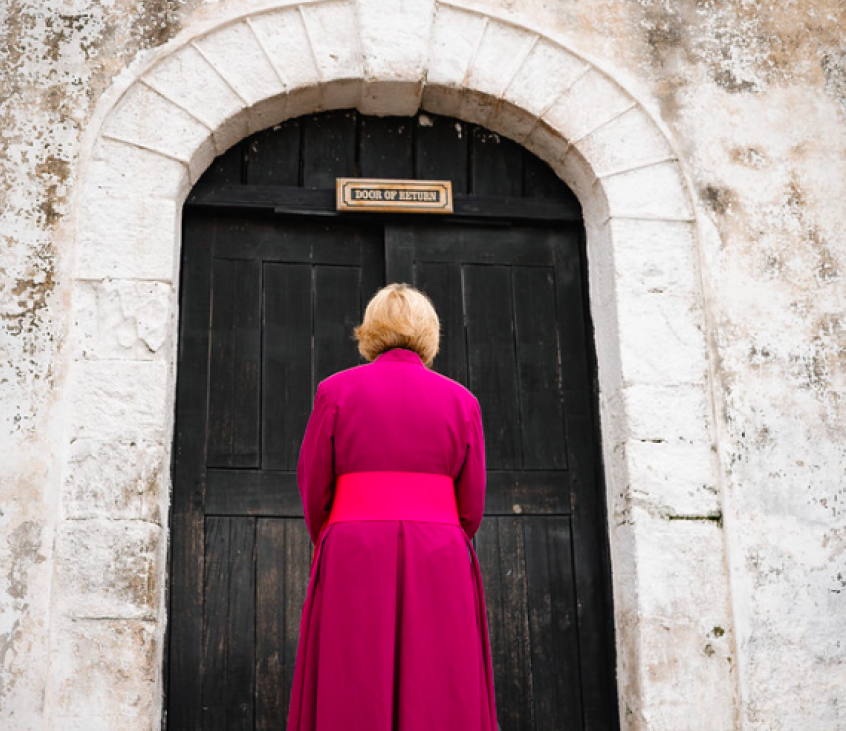
(Photo: Lambeth Palace)
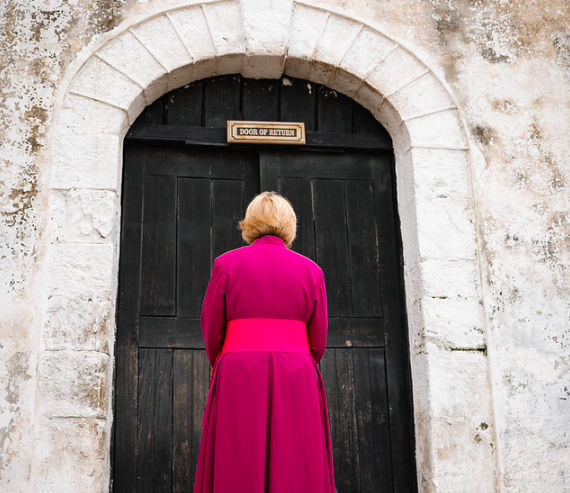
In a move that has stirred considerable debate, the Archbishop of Canterbury has reiterated her support for the Church of England’s £100m fund aimed at making reparations for slavery. Known as Project Spire, the initiative was highlighted during her recent visit to Cape Coast Castle in Ghana, a historic site linked to the transatlantic slave trade.
Expressing sorrow for the Church’s historical involvement in the slave trade, Archbishop Sarah Mullally called for ongoing repentance during her time at the castle. Her stance, however, has sparked a wave of criticism from various sectors, including political figures, religious leaders, and academics, who argue she has neglected to acknowledge key figures such as William Wilberforce and the Royal Navy’s efforts in abolishing slavery.
Former Home Secretary Suella Braverman criticized the Archbishop’s approach, suggesting she was “virtue-signalling” instead of focusing on the Church’s present-day challenges. “Stop virtue-signalling and focus on repairing the crumbling churches, reviving your congregations and providing Christian leadership,” she remarked on X.
Richard Tice, a Reform UK MP, echoed this sentiment, questioning the purpose of allocating church funds for what he termed “woke virtue signalling.” Similarly, former Conservative MP Anna Firth lamented the absence of any mention of key abolitionist figures or current issues facing Christians globally.
Oxford theologian and Conservative peer Lord Biggar questioned the purpose of the Archbishop’s actions, accusing the Church’s reparation plans of lacking historical and ethical grounding. Ameer Kotecha, from the Centre for Government Reform, further questioned the benefit of revisiting these historical issues, suggesting it might only serve to increase division.
Amidst the controversy, some parish-level concerns have emerged over the allocation of funds. Anglican priest Rev Chris Phillips noted the growing unease within the parishes, highlighting concerns over financial priorities amidst declining congregations and rising operational costs.
The reparations initiative, also referred to as the Fund for Healing, Repair and Justice, was born from research that revealed historical connections between the Church’s predecessor fund and the slave trade. While some applaud the educational aspect of the initiative, critics question the narrative that justifies its establishment, pointing to the complex roles played by African rulers in the slave trade.
To date, Project Spire has already spent £1.15m, though its progress has been hampered by legal challenges. Social anthropologist Neil Thin emphasized the importance of educating the public about both the atrocities of slavery and the significant role UK churches played in the abolition movement.
This article was originally written by www.christiantoday.com