The evolution of media consumption and marital traditions reveals a broader shift in societal preferences. Once limited to a small selection of TV channels, viewers now navigate a vast landscape of digital and broadcast options, while marriage ceremonies have similarly diversified, moving beyond traditional church settings.
Historically, British viewers chose between BBC 1, BBC 2, and ITV for television content. Today, the landscape is dominated by numerous channels and streaming services, including YouTube and social media platforms. This expansion has diminished the market share of traditional broadcasters like the BBC and ITV, prompting moves such as ITV’s sale of its broadcasting arm to Sky.
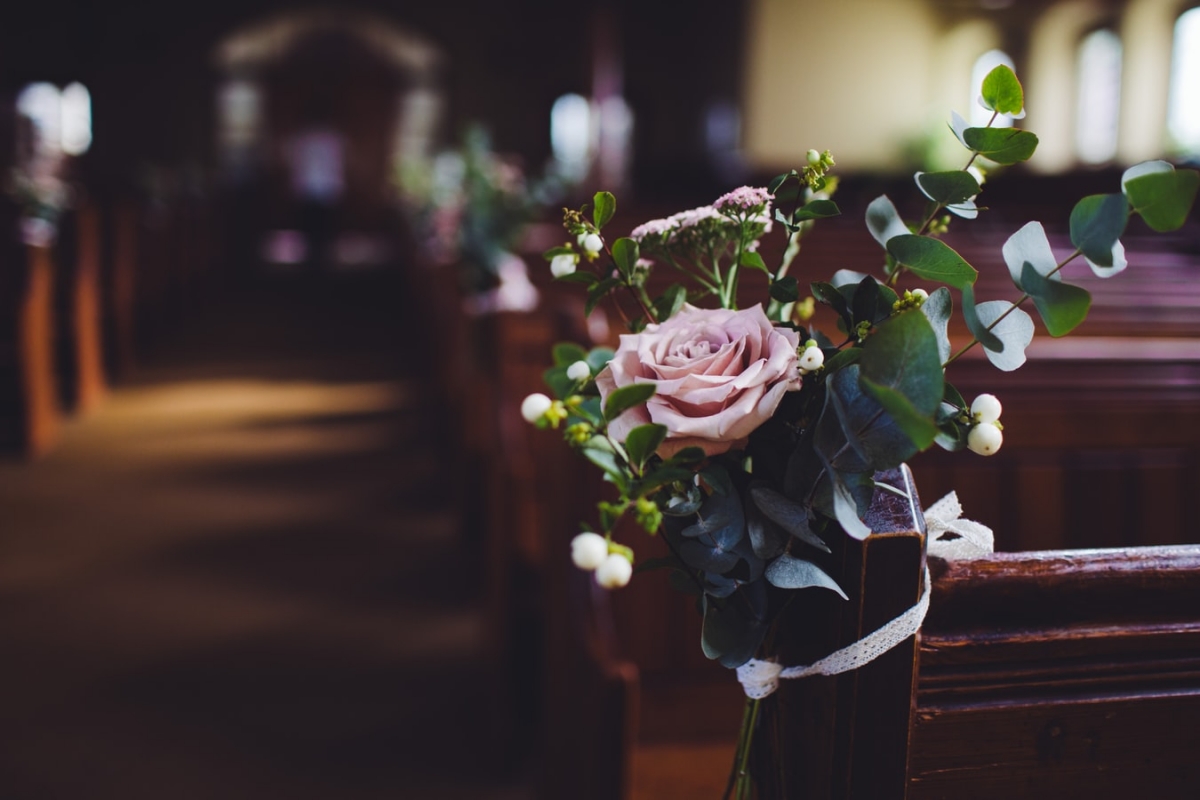
Similarly, the traditional church wedding has seen a decline. Previously, couples typically wed in a church or a registry office. However, the Marriage Act 1994 introduced civil ceremonies in approved premises, recently expanded to outdoor venues, decreasing the prevalence of religious ceremonies.
The Office for National Statistics reported 246,897 marriages in England and Wales in 2022. A mere 16.97% of these were religious ceremonies, with only 11.74% in Anglican churches. These figures highlight the waning popularity of church weddings.
The Christian Perspective on Marriage
Exploring why church weddings matter from a Christian viewpoint requires delving into the Church of England’s historic liturgy, “The Form of Solemnization of Matrimony” from the Book of Common Prayer. This liturgy underscores marriage as a divine institution, rooted in biblical teachings and representing the mystical union between Christ and the Church.
The liturgy articulates marriage as a ‘holy estate,’ ordained by God for specific purposes: procreation, providing a remedy against sin, and fostering mutual support. It emphasizes the solemnity of marriage, urging couples to enter it “reverently, discreetly, advisedly, soberly, and in the fear of God.”
Reasons for Choosing a Church Wedding
There are compelling reasons for marrying in a church. Firstly, a legal Christian ceremony must occur in a place of worship. Secular venues cannot host Christian services. Secondly, church ceremonies provide a comprehensive exposition of the Christian understanding of marriage, which is often absent in civil ceremonies.
The Deputy Prime Minister, David Lammy, in his foreword to the consultation document “Tying the Knot,” affirms the significance of weddings as a reflection of personal beliefs and aspirations. For Christians, these beliefs are deeply intertwined with God’s design for marriage.
Furthermore, as noted by theologian Richard Hooker, “nature hath need of grace” and “grace hath need of nature.” Christian marriages benefit from the grace imparted through church teachings and the support of the Christian community, essential for navigating the spiritual challenges inherent in marriage.
A public church wedding also serves as a testament to Christian values, reminding attendees and the wider community of the divine truths underpinning marriage. It fulfills the biblical exhortation to “Let your light so shine before men, that they may see your good works and give glory to your Father who is in heaven” (Matthew 5:16).
In conclusion, the Church of England’s reticence in promoting church weddings may overlook the profound spiritual and communal benefits they offer. Embracing and advocating for Christian marriage ceremonies could potentially rejuvenate their prevalence, reflecting a commitment to honoring God’s design for marriage.
This article was originally written by www.christiantoday.com