
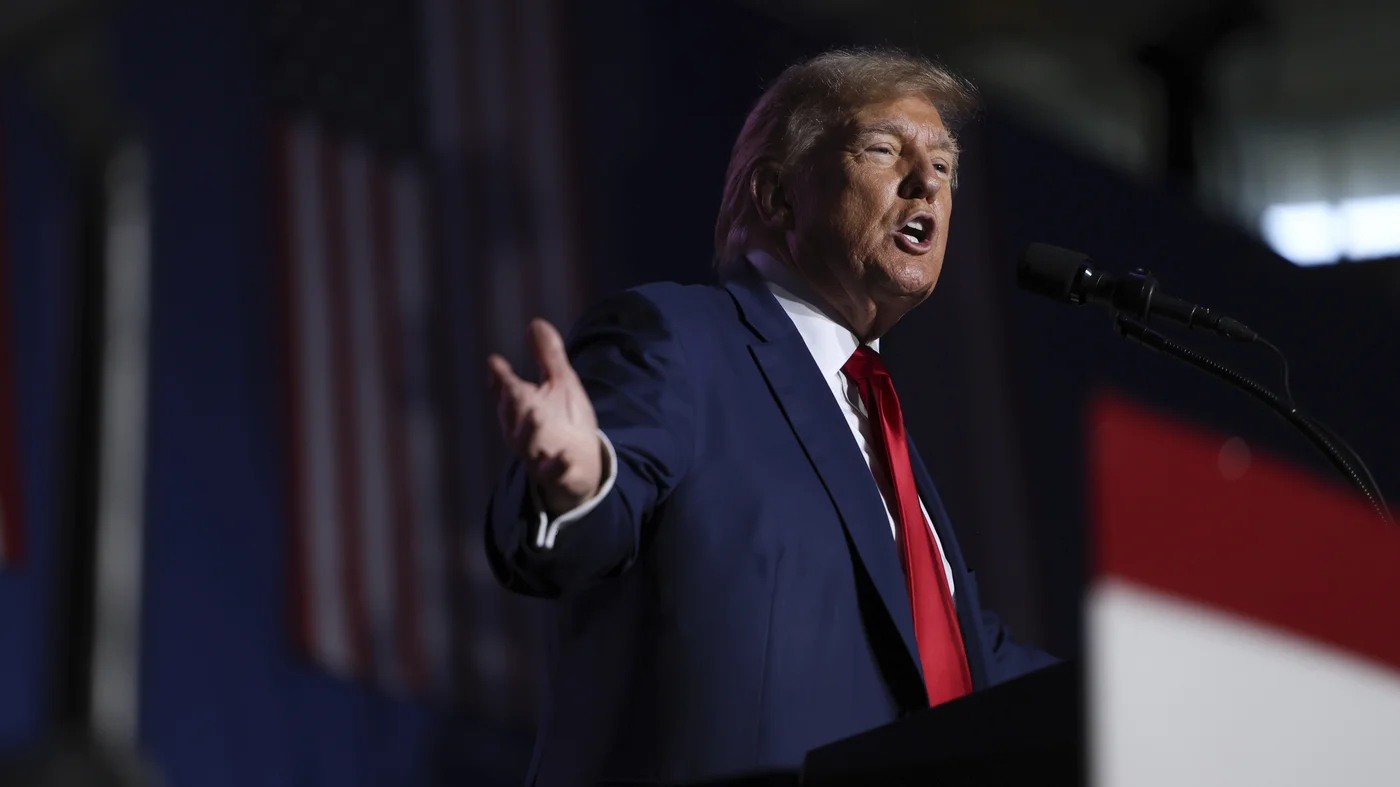
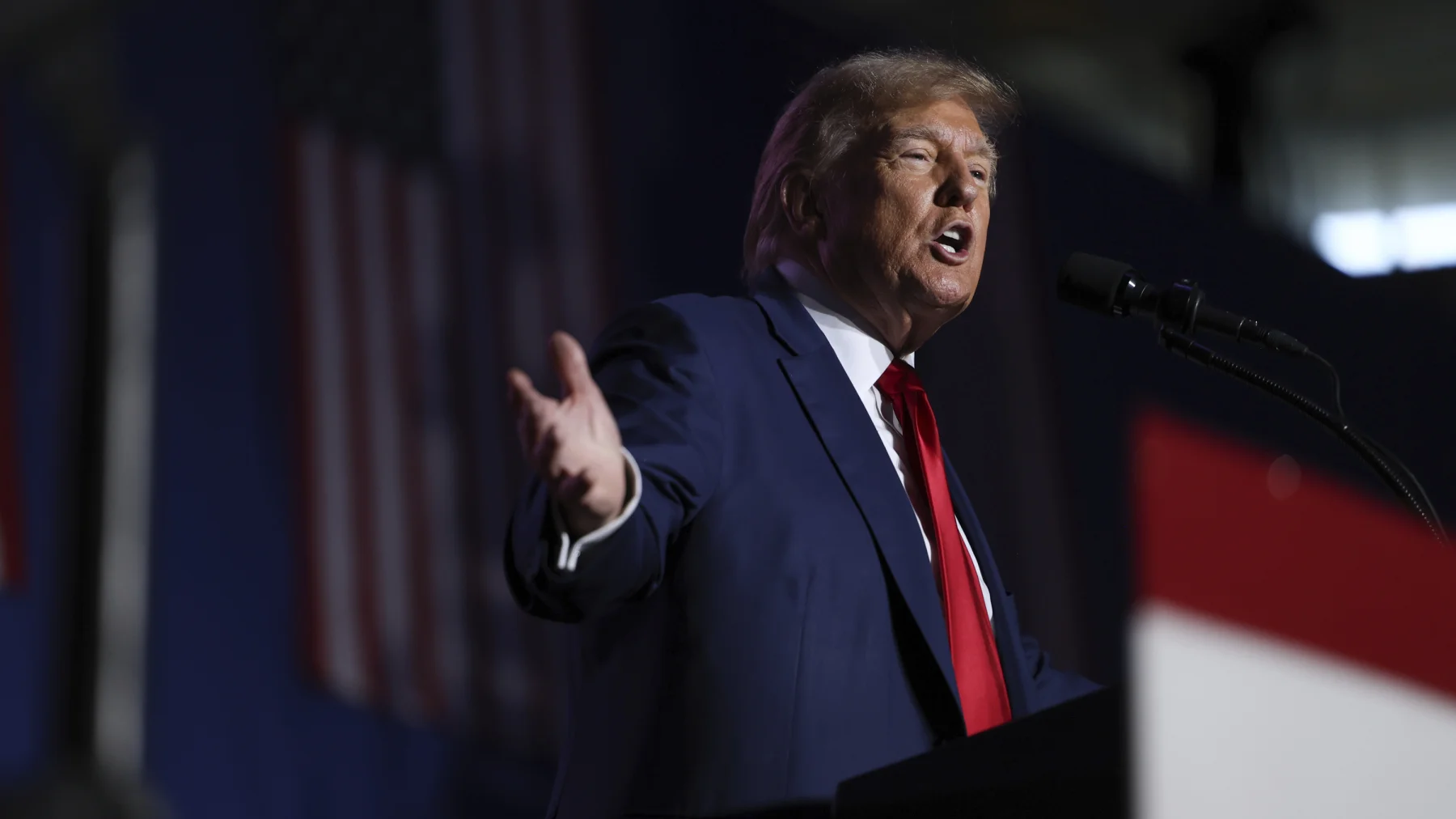
During the last presidential campaign, Donald Trump proposed changing how college accreditation works as a way of reining in institutions of higher education.
Reba Saldanha/AP
Catch up on what you missed with our Education newsletter, sent weekly.
In a move that has flown under the radar, the Trump administration is set to implement significant changes to the college accreditation system. These reforms, described by Donald Trump as his “secret weapon,” are intended to address concerns about the political direction of higher education institutions.
Understanding Accreditation
Accreditation serves as the federal government’s tool to evaluate which colleges are eligible for funding through student loans and grants. Colleges pay dues to nonprofit accreditors, who assess them based on a variety of criteria, including curriculum, faculty, and financial stability. These accreditors ensure educational quality and prevent fraudulent institutions from exploiting federal funds.
While Congress has mandated that accreditors operate independently from the government, the Department of Education maintains oversight. This independence allows accreditors to define their standards for evaluating institutions.
Trump’s Proposed Overhaul
In 2023, Trump announced plans to reform the accreditation system, aiming to curb what he perceives as the influence of the “radical left” in education. The Education Department has since introduced new rules, expanding the criteria that accreditors must evaluate, including intellectual diversity. This change has sparked debate over its potential impact on educational institutions.
Critics, like Bob Shireman, warn that these changes could grant the federal government excessive influence over universities. He suggests that the new rules might be used to threaten colleges’ accreditation if they fail to meet certain political criteria.
Controversies and Concerns
The new rules have been met with skepticism from some educational organizations. PEN America, which advocates for free expression, cautions that the revised accreditation standards could undermine academic freedom. However, the Department of Education maintains that the reforms aim to foster open debate and intellectual diversity.
Conservative voices, such as Beth Akers from the American Enterprise Institute, express discomfort with the expanded federal oversight, even though they support other aspects of the accreditation reform.
Implications for Higher Education
The changes also aim to simplify the process for establishing new accreditors, potentially increasing competition and innovation among educational institutions. This shift is intended to empower colleges to explore new teaching methods and reduce costs for students.
While some believe that this increased competition could benefit schools, there are concerns about the potential erosion of student protections. Critics argue that easier transitions between accreditors might weaken oversight and allow problematic institutions to evade scrutiny.
These accreditation reforms are poised to take effect before the 2027-28 academic year, leaving Democrats with limited options to reverse them due to the established rulemaking process.





Comments are closed.