Trump’s Unexpected Diesel Deal with Russia Sparks Global Reactions
In a surprising turn of events, President Donald Trump has secured a deal with Russia to import diesel fuel, a move aimed at tackling soaring fuel prices in the United States ahead of the midterm elections. This agreement marks a significant policy shift in U.S.-Russia relations, especially given the ongoing conflict between Russia and Ukraine.
On Friday, Trump took to social media to announce that he had reached an agreement with Russian President Vladimir Putin during a phone call initially intended to address a potential health crisis in Russia. Instead, the conversation led to Russia agreeing to supply over 300,000 tons of diesel immediately, with promises of further deliveries totaling up to 4 million tons in the coming months.
Last month, Trump had enacted a comprehensive sanctions law targeting Russia’s energy sector to curb its financial support for the war in Ukraine. The latest diesel deal appears to contradict this legislation, casting doubt on the enforcement of these sanctions.
Reactions from Ukraine and U.S. Officials
The announcement has drawn criticism from Ukrainian President Volodymyr Zelenskyy, who described it as a “weak decision by strong partners.” He expressed concerns that the deal could extend the conflict in Ukraine, accusing it of playing into Russia’s strategic interests.
Zelenskyy’s comments came as Trump’s representatives, including his envoy Steve Witkoff and son-in-law Jared Kushner, were in discussions with Ukrainian officials about potential resolutions to the war.
Meanwhile, U.S. politicians have expressed their dismay. Representative Don Beyer criticized Trump’s decision, stating on social media that “Trump isn’t the slightest bit trustworthy when it comes to Russia,” and highlighting concerns about the lifting of sanctions on Russian fossil fuels.
Details of the Diesel Deal and Market Impact
Details regarding the financial aspects of the diesel deal remain unclear, as the White House has yet to comment on the arrangement’s specifics, such as payment methods or the timeline for fuel availability. It is also uncertain if the diesel supplies scheduled for November will arrive before the U.S. elections on November 3.
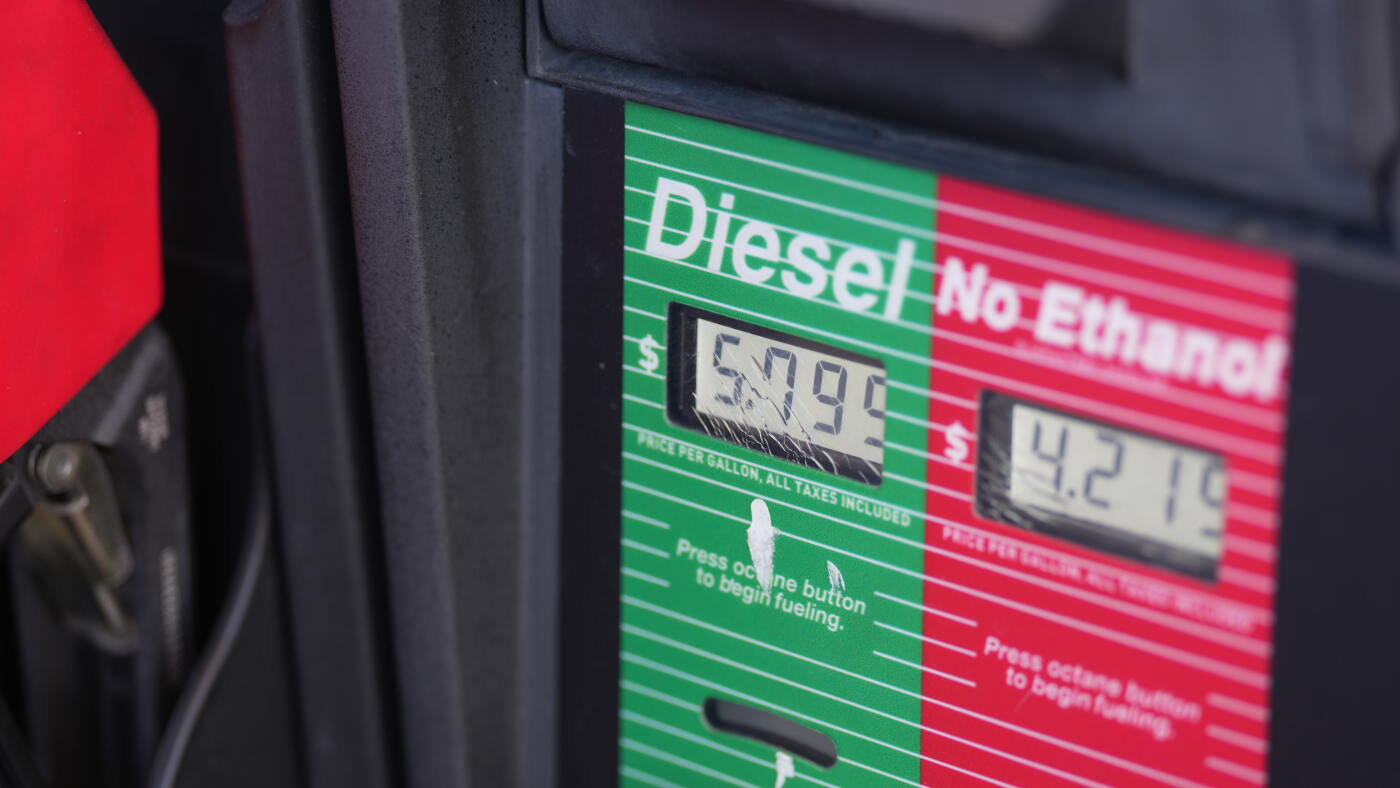
The news of the agreement caused a temporary dip in diesel futures prices, but the national average for diesel in the U.S. remains high at $6.23 per gallon, following a record of $6.52 in September.
According to a statement from the Kremlin, Trump and Putin also discussed the broader implications of the Ukrainian crisis and the situation in Iran, with Putin expressing optimism about the positive economic impact of the diesel agreement.
Backlash and Future Implications
In response to Trump’s announcement, Zelenskyy warned that Russia would exploit the deal to further its war efforts, thus prolonging the conflict and undermining international respect for the U.S.
This development also raises questions about the future enforcement of U.S. sanctions on Russia, as the recent bipartisan law required Trump to impose tariffs on major importers of Russian oil and gas. The U.S. Energy Information Administration noted that the U.S. has not imported Russian oil or gas since 2022, following a ban by the Biden administration.
Treasury Department’s Temporary Sanctions Adjustment
In conjunction with Trump’s announcement, the U.S. Treasury Department issued a temporary license allowing Russian diesel to enter the global market. This license, effective until April 2027, is the first to extend beyond a 30-day period since the beginning of the Ukraine war, reflecting the ongoing complexities introduced by the conflict in Iran.
Russia’s internal diesel production has suffered due to ongoing attacks on refineries, leading to a 30% reduction in output, as reported by the International Energy Agency. However, Deputy Prime Minister Alexander Novak stated that Russia is ready to resume exports to the U.S. and ensure domestic market supply as early as October.