Presidential Naming: A Tradition and a Controversy
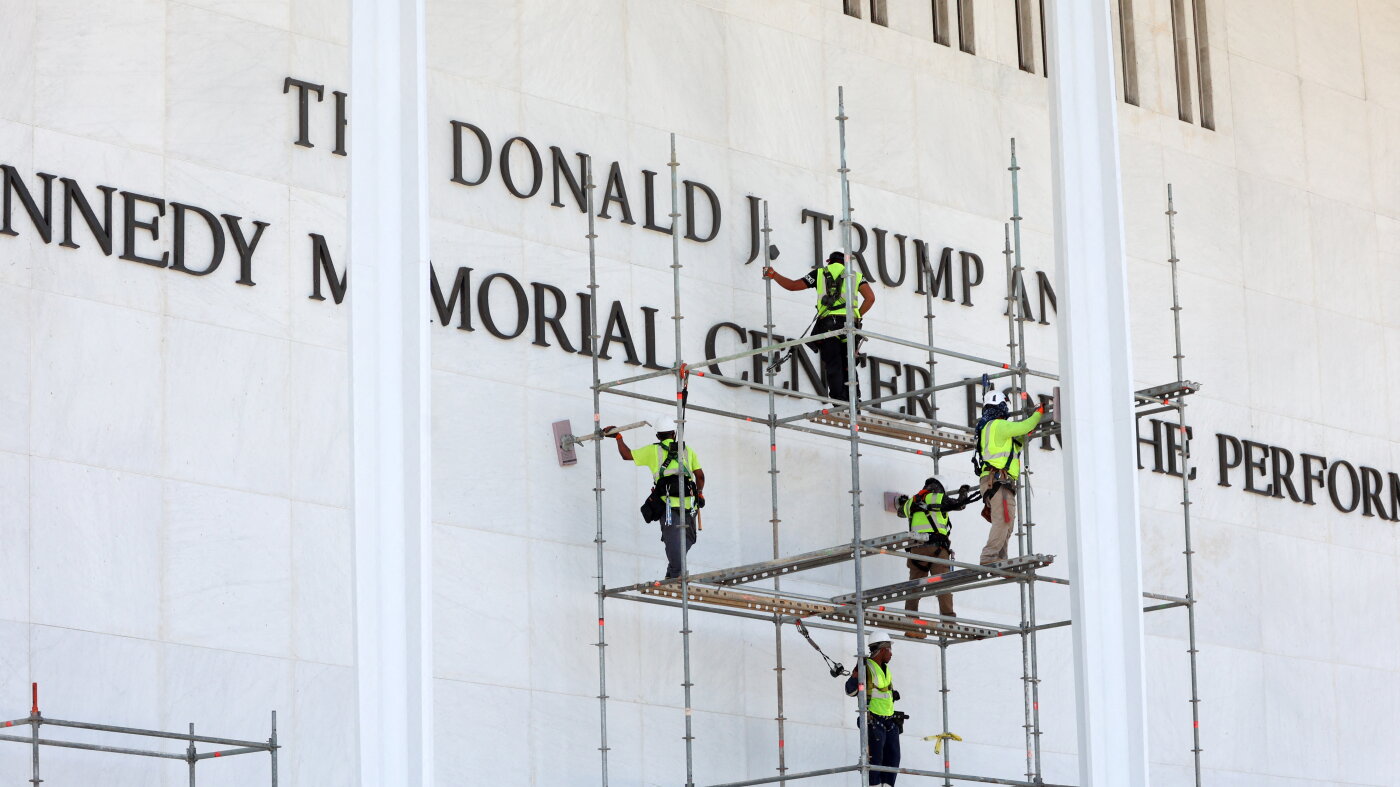
In recent developments, a judge ruled that only Congress has the authority to rename the Kennedy Center in Washington, D.C., a decision that led to the removal of President Trump’s name from the facade just months after it was added. This decision underscores the complex history and ongoing debate around the naming of public entities after sitting presidents.
President Trump had previously emphasized the importance of his name remaining on the Kennedy Center, even suggesting its removal could lead to its closure. “Frankly, if we don’t do that, it’s going to close,” Trump told reporters. “It’ll end up being ripped down.”
Historical Context: A Presidential Tradition
Historically, there has been a reluctance to place the names of sitting presidents on public assets. This tradition dates back to the presidency of George Washington. According to Lindsay Chervinsky, executive director of the George Washington Presidential Library, there was concern about appearing monarchical, which led to the decision that presidents should not appear on currency. “They were trying to figure out what was the right balance between the prestige required to give this new office respect, but also recognizing that they were not trying to re-create a monarchy,” Chervinsky explained.
Despite these traditions, some exceptions have occurred, often initiated by political supporters rather than the presidents themselves. Notable instances include the naming of the Hoover Dam and the Franklin D. Roosevelt Presidential Library.
The Hoover Dam: A Case of Renaming
The Hoover Dam, initially named the Boulder Dam, was renamed in 1930 due to Herbert Hoover’s involvement in its planning. This change was suggested by Hoover’s secretary of the interior, recognizing Hoover’s role in the Colorado River Compact.
However, the name was reverted during Franklin D. Roosevelt’s administration, as Interior Secretary Harold Ickes preferred the original name. This decision was later overturned by Congress in 1947, acknowledging Hoover’s contributions and his humanitarian work.
Presidential Libraries: A Modern Legacy
While many presidents have avoided naming public properties after themselves, presidential libraries are a notable exception. Franklin D. Roosevelt established the first presidential library, marking a new tradition for preserving presidential history.
President Trump has announced plans for a presidential library in Miami, though it may not follow traditional library concepts. “I don’t believe in building libraries or museums,” Trump stated, describing the project as potentially including a hotel with his name prominently displayed.