Trump’s Standoff with Iran: A Complex Dance of Power and Diplomacy
As tensions between the United States and Iran continue to simmer, the world watches a high-stakes geopolitical chess game unfold. President Donald Trump, known for his bold deal-making strategies, faces one of his greatest challenges yet, with Iran proving to be a formidable opponent.

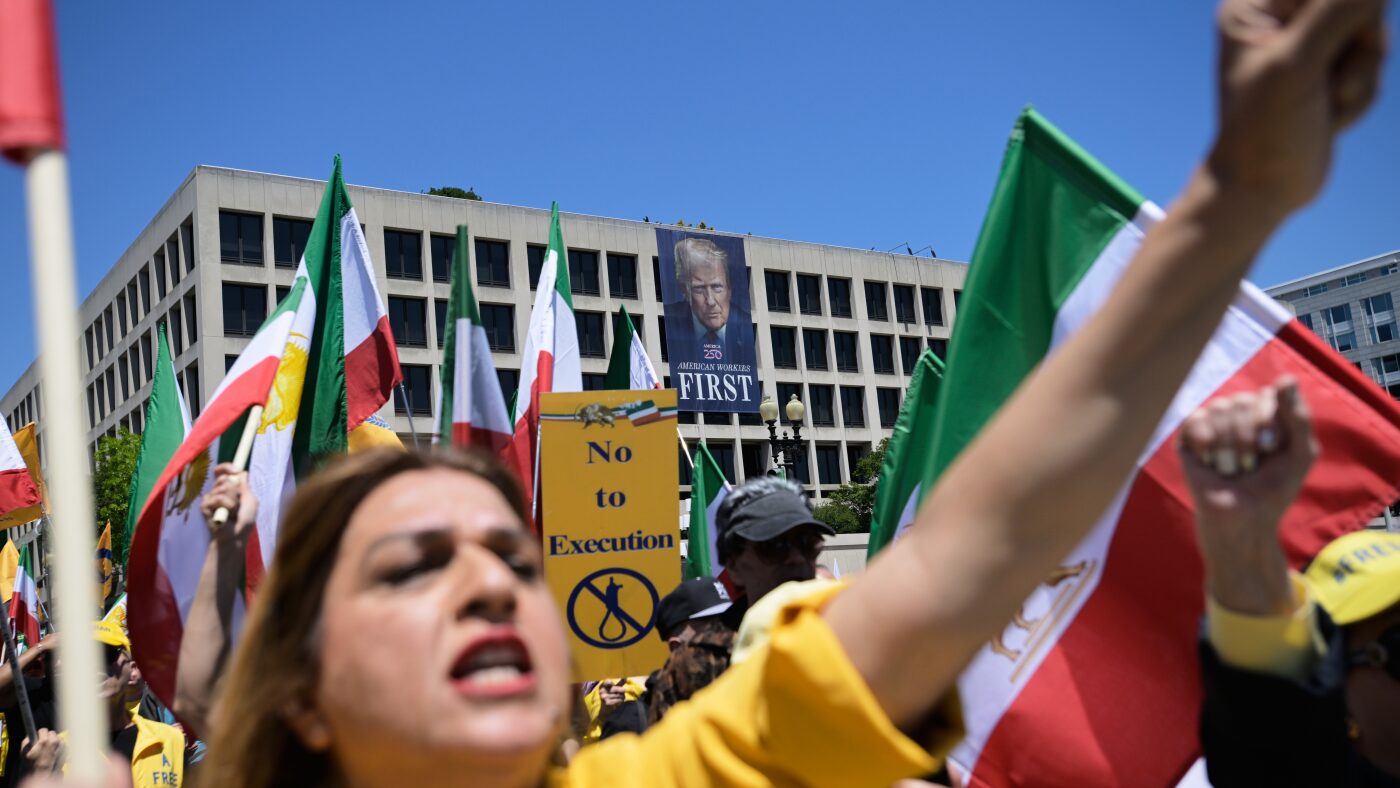
A banner of President Donald Trump hangs over Iranian Americans and their supporters during a rally in Washington, May 16, 2026. Rod Lamkey/AP
The ongoing tensions escalated after military actions by the U.S. and Israel against Iran in February, leading to a 38-day military engagement. This has culminated in a precarious ceasefire and a mutual blockade at the Strait of Hormuz, a crucial conduit for global oil and gas. Although negotiations have been attempted, they have been marred by Trump’s threats to resume military actions.
On Monday, President Trump revealed a postponed military strike in response to the appeals of Gulf Arab allies, expressing optimism about “serious negotiations” involving regional powers like the UAE, Qatar, and Saudi Arabia. Yet, he instructed military readiness for a “full, large-scale assault” if a satisfactory agreement is not brokered.
Strait of Hormuz: The Epicenter of Tensions
The strategic Strait of Hormuz is central to this conflict, as its closure has severely impacted global energy markets. Gas prices in the U.S. have surged over 50%, according to AAA, contributing to President Trump’s declining approval ratings on economic issues.
Both sides of the conflict appear to be waiting for the other to falter. Vali Nasr from Johns Hopkins University explained to NPR that Iran perceives Trump’s military threats as genuine but views diplomatic overtures with skepticism. Nasr noted, “Iran does not take him seriously when he says he wants to negotiate,” suggesting that Iran sees these gestures as tactics to delay rather than genuine peace efforts.
Uncertain Future
Despite the stalemate, skepticism exists about how long the status quo can last. The Strait of Hormuz’s closure poses significant challenges to the global economy, and maintaining the blockade indefinitely is not feasible, according to Nasr. Meanwhile, Iran’s government remains steadfast, insisting on its right to develop nuclear energy for peaceful purposes, despite battlefield setbacks.
The White House asserts that its strategy retains the upper hand, with spokesperson Olivia Wales affirming, “President Trump holds all the cards and wisely keeps all options on the table,” as reported by Reuters.