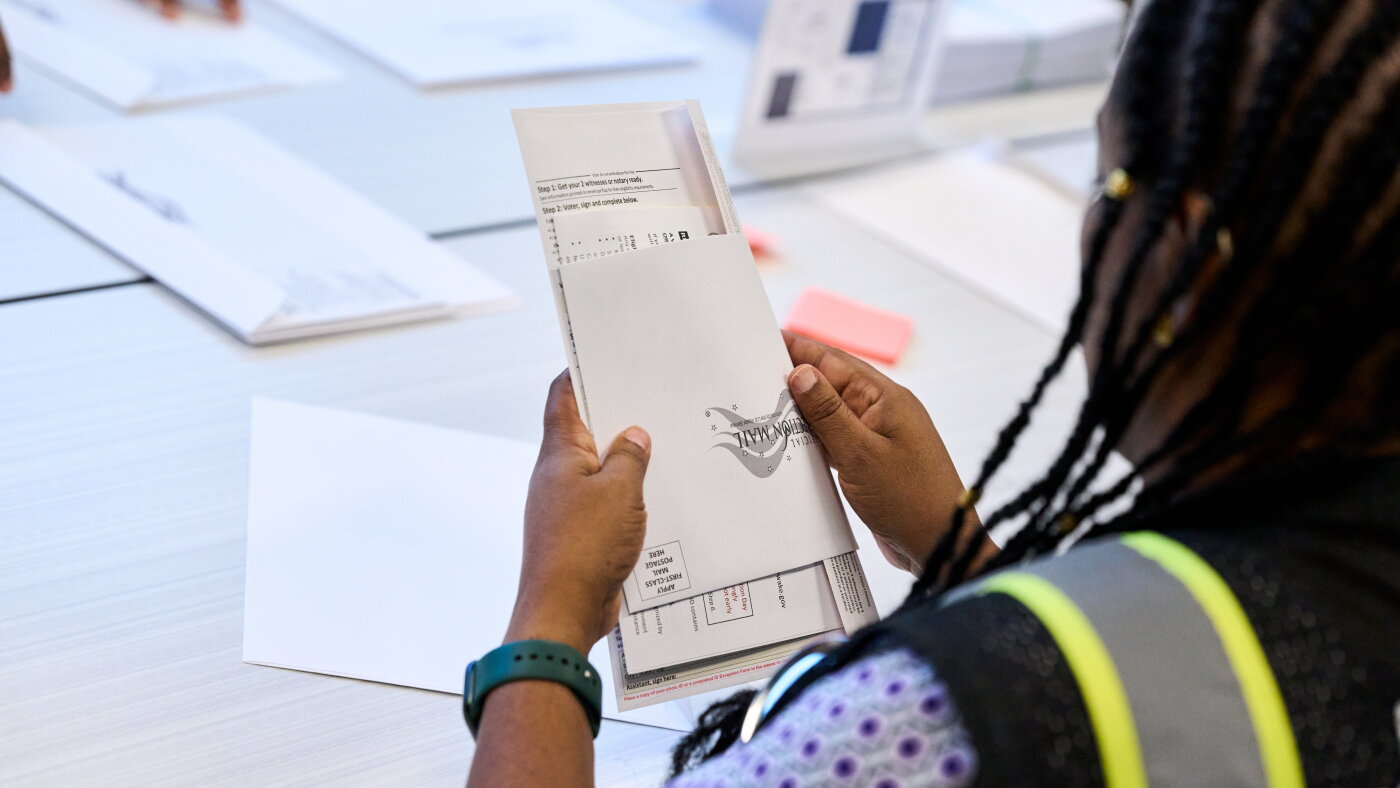
Concerns Rise Over Mail-In Ballots: USPS Changes Impact Postmarking
As Election Day approaches, new challenges emerge for voters relying on mail-in ballots. The primary concern is the potential for late postmarks, which could result in ballot rejections. This issue has arisen due to recent changes in the U.S. Postal Service’s (USPS) mailing system.
Alterations to the mailing process initiated last year have led election officials to advise voters to consider alternative ballot return methods, such as delivering them directly to local election offices or utilizing drop boxes.
This guidance comes amid declining confidence in the USPS’s ability to deliver ballots on time. Compounding the issue, an attempt by President Trump to limit mail-in voting during the midterms was blocked by the Supreme Court (source).
Postmark dates on mail-in ballots are crucial for election officials to verify ballots were sent by Election Day. USPS plans to implement special postmarking procedures in certain post offices as part of its “extraordinary measures” policy to enhance mail service for federal elections. However, the USPS advises voters to mail ballots at least a week before the state’s deadline, and in states with a grace period for receiving late-arriving ballots, to request a manual postmark at the post office.
The Impact of Mailing System Changes
Since April 2025, USPS has implemented changes under its “Regional Transportation Optimization” (RTO) plan, part of a 10-year strategy to stabilize finances. These changes may cause delays in postmarking, affecting mail-in ballots. In response, USPS will separate ballots from other mail starting October 26, allowing managers to manually postmark ballots upon collection.
This measure was absent during earlier primaries, resulting in higher ballot rejection rates in several states (source).
Elena Patel from the Brookings Institution expressed cautious optimism about USPS’s forthcoming measures but noted the risk remains, particularly where staffing may be inadequate. Patel estimates the RTO effort could lead to 43,000 to 55,000 ballot rejections in the general election.
“These are some of the realities of running a very large postal network on tight finances,” Patel commented, reflecting on her experience at the Postal Regulatory Commission.
USPS’s Extraordinary Measures for Mail-In Ballots
USPS has outlined further measures to ensure timely ballot processing:
- Post offices may extend hours starting October 24, and set up special lines for manual postmarking.
- Expedited delivery of ballots will begin on October 26.
Despite these efforts, some voters, particularly those in remote areas, face challenges. Michelle Sparck from Get Out the Native Vote in Alaska highlights difficulties absentee voters encounter. “The No. 1 reason for [ballot rejection] was postmarking delays,” Sparck noted, emphasizing the logistical challenges faced by rural communities.
Sparck urges voters to plan ahead and utilize early voting opportunities where possible to ensure ballots are received and counted. She advises, “If there is an early voting opportunity in a community, we’re asking people to drop their ballots off with those folks so that it becomes part of the chain of custody.”
Edited by Benjamin Swasey