
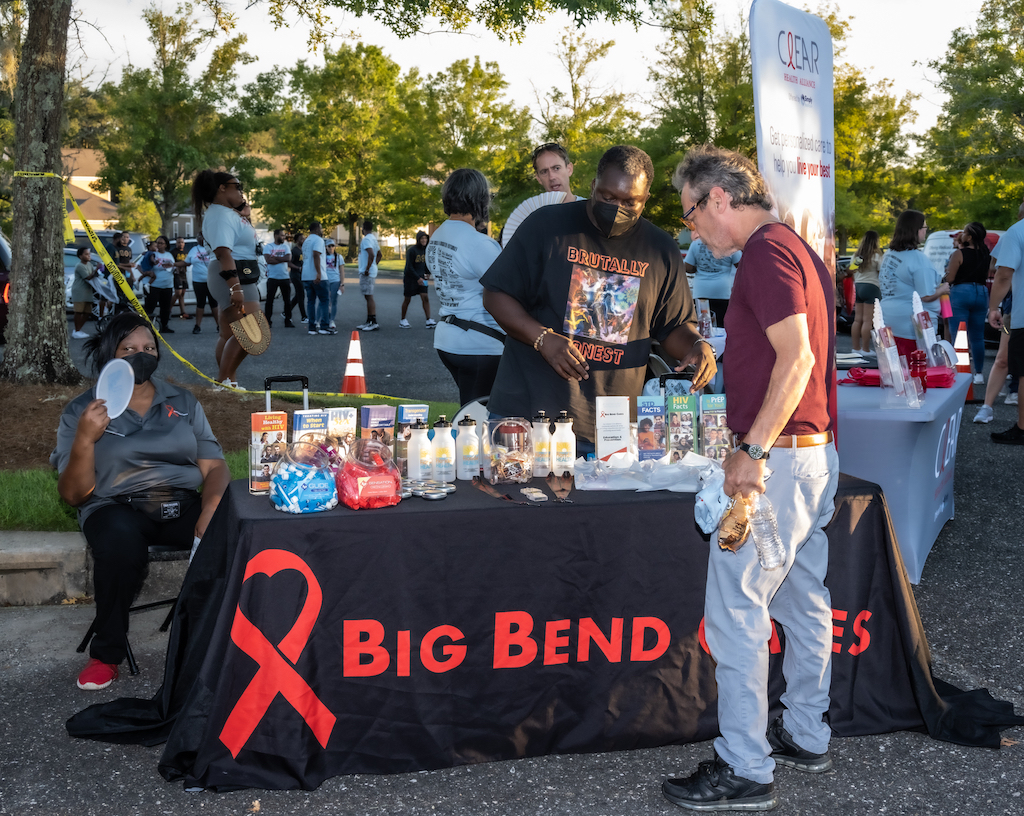
Federal funding that has long supported community-based HIV prevention programs is being redirected away from local organizations and funneled instead through state governments — a shift that advocates say could disrupt critical services for some of the most vulnerable Americans. Reported by Nada Hassanein for the Daily Montanan, the story raises urgent questions about what happens to HIV prevention work when the money pipeline changes hands.
For years, community organizations on the front lines of HIV prevention have received federal dollars directly, allowing them to design and deliver programs tailored to local needs. Now, those funds are being rerouted to state governments, which will then determine how and where the money is spent. Critics of the change warn that smaller nonprofits — especially those serving high-risk populations such as LGBTQ+ individuals, people who inject drugs, and communities of color — may find themselves cut out of the funding they depend on.
The redirection is part of a broader federal effort to restructure how public health dollars flow through the system. Supporters of the shift argue that states are better positioned to coordinate HIV prevention strategies and ensure accountability across their territories. But opponents counter that state health agencies often lack the community trust, cultural competency, and specialized outreach capacity that grassroots organizations have spent decades building.
What’s at Stake for Local Programs
Community-based organizations have historically been the backbone of HIV prevention in the United States, providing services like testing, education, needle exchanges, and linkage to care. Many of these groups work specifically with populations that are disproportionately affected by HIV and that may be reluctant to seek help through traditional government health channels.
When funding flows directly from federal agencies to these organizations, the groups can act quickly and independently. When it passes through a state intermediary, additional bureaucratic steps are introduced — steps that can slow disbursement, add reporting requirements, and, in some cases, reflect political priorities that differ from public health best practices.
Montana, like many states, has seen ongoing debates about how federal health dollars are managed and distributed at the state level. Readers interested in how federal money reaches local services can follow related coverage, including reporting on how Montana released $4 million in federal funds for rural emergency services and how more than a hundred Montanans protested new Medicaid rules at the state Capitol.
A Pattern of Federal Health Funding Shifts
The HIV funding redirection is not happening in isolation. It reflects a wider trend of restructuring how Washington distributes public health dollars — a trend that has drawn scrutiny from health advocates, patient groups, and lawmakers across the political spectrum. Changes to Medicaid, rural health funding, and environmental health programs have all sparked public debate in recent months.
Environmental and community health intersections have also drawn attention, as seen in reporting on how Pondera County and environmental groups petitioned the EPA over refinery wastewater — another example of communities pushing back when federal and state priorities appear misaligned with local needs.
For HIV prevention specifically, the concern is that redirecting dollars to states could introduce gaps in service, particularly in states where political leadership has been less supportive of harm reduction strategies or LGBTQ+-inclusive health programming. Organizations that have built trust with marginalized communities over many years could lose funding simply because a state agency decides to prioritize different approaches or different providers.
Public health researchers and advocates have long documented that community-centered approaches to HIV prevention are among the most effective. Disrupting the organizations that carry out that work — even temporarily, during a funding transition — can have lasting consequences for infection rates and community health outcomes.
Civic engagement remains one of the most direct ways residents can influence how these decisions are made. Montanans can register to vote, contact their state lawmakers, and track how their elected officials vote by reviewing roll-call votes in the U.S. Senate and roll-call votes in the U.S. House.





Comments are closed.