Exiled Afghan Soldiers Face Struggles and Betrayal in the U.S.
The journey from battlefield heroics to a life of uncertainty has been a harsh reality for many Afghan fighters resettled in the United States. These soldiers, who once participated in high-stakes operations against the Taliban under the CIA’s guidance, now grapple with feelings of neglect and abandonment by the U.S. government.
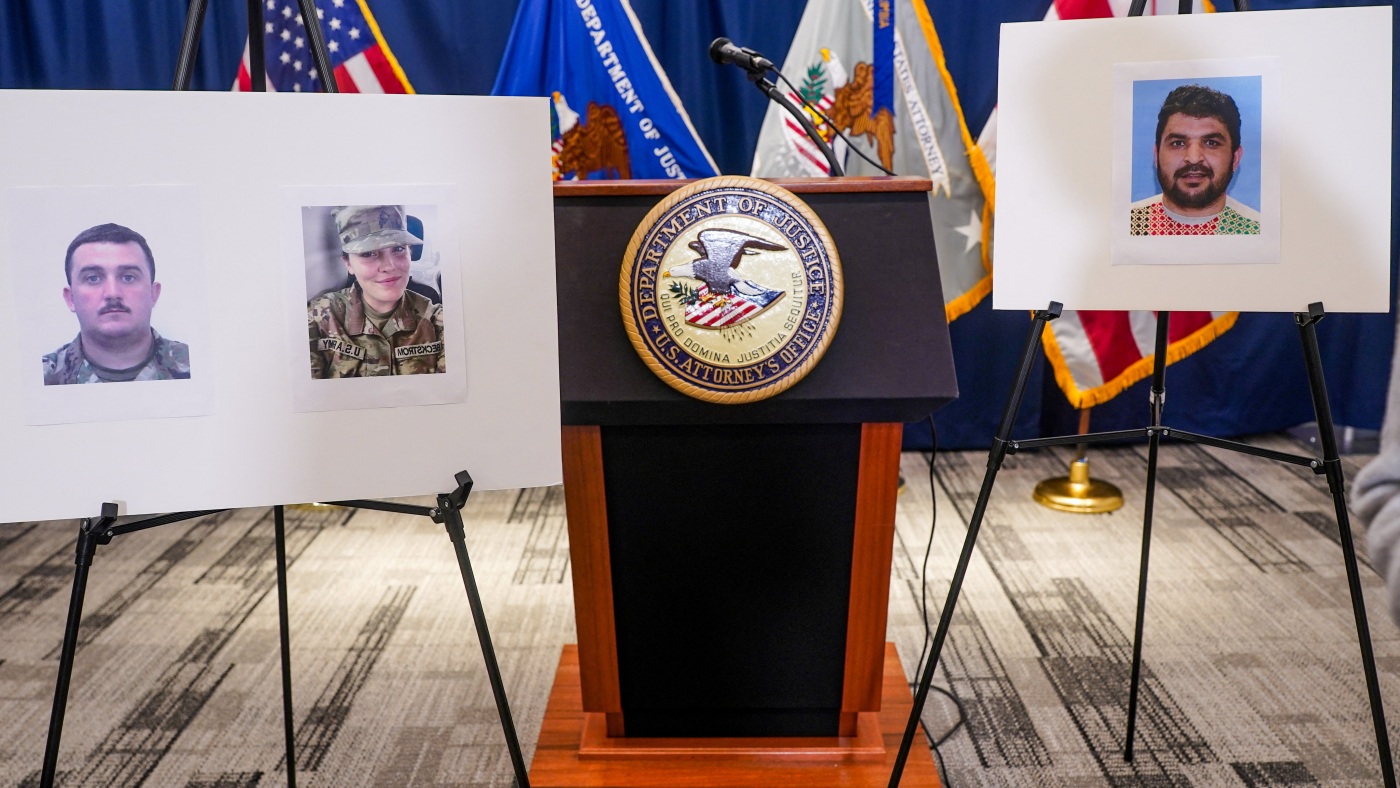
A recent incident has brought this issue to the forefront. Rahmanullah Lakanwal, a former member of the CIA-led “Zero Units,” is facing charges for a tragic shooting incident in Washington, D.C., that left one National Guard soldier dead and another seriously injured. This attack has highlighted the plight of Afghan soldiers who feel forsaken after their resettlement in the U.S.
The emotional toll on these veterans is severe. “Unfortunately, four people took their lives,” shared Davud, a former combat translator with the Zero Units, pointing to the deep-seated despair among these fighters. Many, like Lakanwal, have faced bureaucratic hurdles in obtaining asylum or permanent residency, exacerbating their mental health challenges.
The Zero Units were known for executing some of the riskiest missions during the Afghanistan War. Despite their contributions, the transition to life in America has been fraught with challenges. Davud recounted a life-threatening incident where his life was saved by an American CIA agent, illustrating the deep bonds formed on the battlefield.
Geeta Bakshi, a former CIA agent now leading a refugee resettlement program, expressed concerns over the rising rates of self-harm among these veterans. “They were the tip of the spear,” she emphasized, noting the immense dangers they faced to protect American personnel.
As these soldiers navigate their new lives, many encounter obstacles related to their immigration status. Bakshi and Davud have observed firsthand the struggles of Afghan soldiers battling depression and hopelessness due to prolonged immigration delays.
Lakanwal’s case is emblematic of the broader crisis. Despite receiving asylum protection earlier this year, he faced significant personal challenges, including difficulty securing stable employment. Concerns over his mental health were prevalent among those who worked closely with him.
The U.S. government has responded to the Washington shooting by halting all Afghan asylum cases, with officials reexamining the legal status of Afghan refugees in the country. This move has sparked debate over the vetting process for these individuals, with some officials questioning their suitability for resettlement.
CIA Director John Ratcliffe and FBI Director Kash Patel criticized the vetting process, suggesting that Lakanwal and others were not adequately screened. However, Davud and other administration officials refute these claims, asserting that the Afghans underwent extensive vetting procedures.
The challenges faced by Afghan soldiers in the U.S. underscore the complex intersection of military service, immigration, and mental health. As the nation grapples with these issues, the stories of these veterans serve as a poignant reminder of the sacrifices they made and the support they continue to need.
If you or someone you know is struggling with thoughts of suicide, you can dial or text 988 and be connected to help.
This article was originally written by www.npr.org