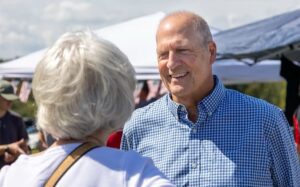

Earlier this month, immigration authorities gave Sae Joon Park an ultimatum: leave voluntarily or face detention and deportation. Sae Joon Park
At the age of 55, U.S. Army veteran Sae Joon Park faced what he described as the most challenging moment of his life—leaving the United States after residing there for nearly 50 years. Despite enduring combat, PTSD, addiction, and imprisonment, the prospect of departure was hardest to bear.
On a recent Monday, Park, who held a green card, returned to South Korea of his own volition. His deportation was linked to charges from more than 15 years ago related to drug possession and failure to appear in court. Park attributes these issues to untreated PTSD.
Park’s experience highlights the difficulties faced by noncitizen veterans, especially in the face of the Trump administration’s aggressive deportation policies. “I can’t believe that this is happening in America,” Park shared with NPR, expressing disbelief that the country he served would force him to leave.
U.S. Immigration and Customs Enforcement has yet to comment on Park’s situation.
‘I realized I was shot’
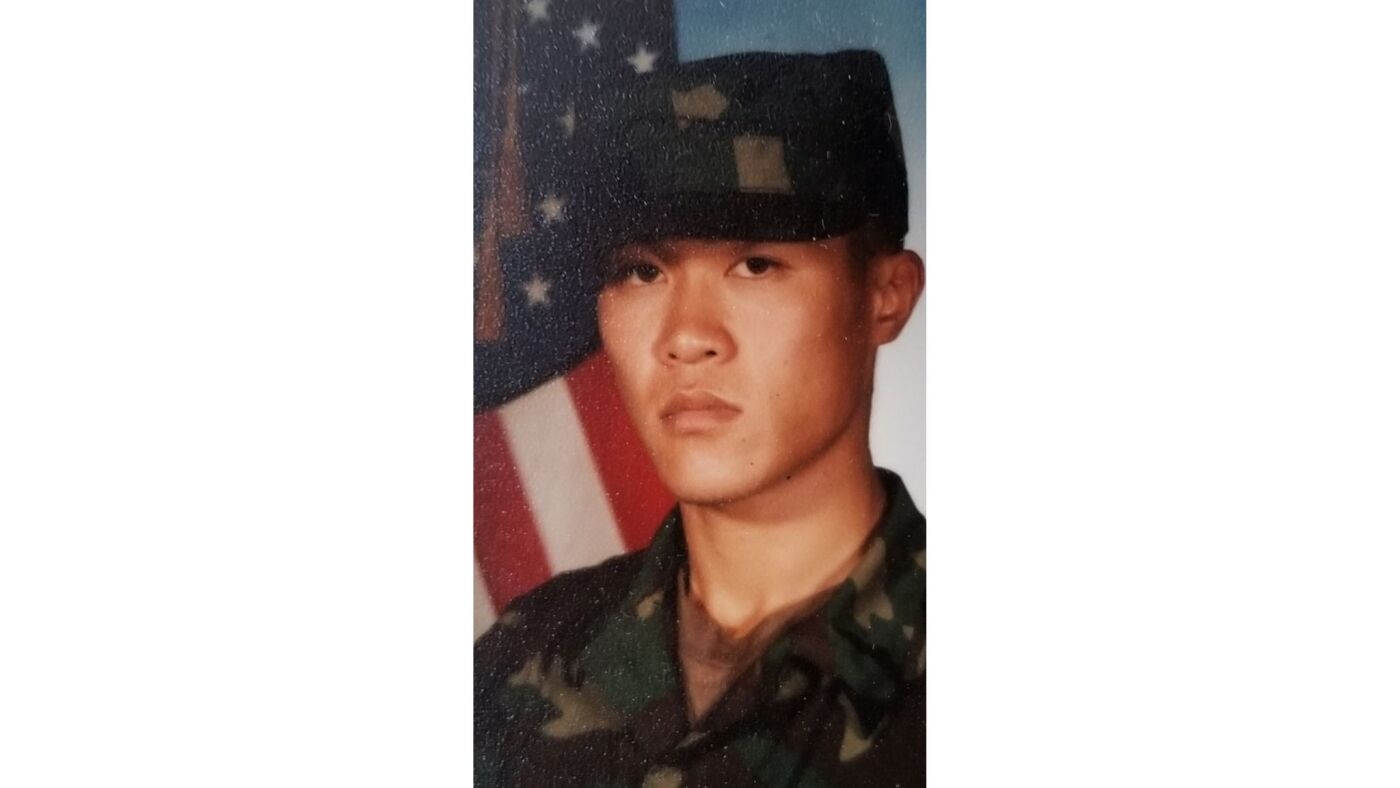
Born in South Korea, Park moved to the U.S. at age 7 to reunite with his mother in Miami, eventually settling in Los Angeles. Influenced by his uncle, a South Korean military colonel, Park joined the U.S. Army after high school seeking direction and purpose.
Upon completing basic training, 20-year-old Park was deployed to Panama during the 1989 invasion, Operation Just Cause. During lunch with his platoon, gunfire erupted. As Park returned fire, he felt a sharp pain in his back, realizing he’d been shot.
“I realized I was shot,” he recounted. “So I’m thinking, ‘Oh my God, I’m paralyzed.’ And then thinking, ‘Oh my God, I’m not just paralyzed. I’m dying right now.'”

Park was shot twice in Panama. He said he survived thanks to two miracles. The first was that an American veteran lived a few doors down and was able to rush him to the hospital. The second was that one of the bullets struck Park’s dog tag, absorbing some of the impact. Sae Joon Park
‘I had to find some kind of a cure for what I was going through’
Returning to the U.S., Park received an honorable discharge and the Purple Heart. While his physical wounds healed, his mental scars remained. “I was suffering from PTSD severely,” he explained, plagued by nightmares and fear.
Without understanding his condition, Park turned to drugs for relief. As he battled addiction, he found himself entangled in legal troubles in New York, leading to charges of possession and bail jumping.
Park missed out on opportunities for naturalization because he was discharged before completing a year of service, and the Panama invasion was not recognized as a wartime period. His immigration status complicated his path to citizenship.
After serving three years in prison starting in 2009, Park emerged determined to stay clean. He relocated to Hawaii, where he worked at a car dealership and raised his children.

Park (L) and his son (R) during a trip to Kauai, Hawaii. Sae Joon Park
‘I have to accept the fact that this is probably the last time I’ll see her’
Though he had a removal order, Park was allowed to remain in the U.S. under regular check-ins with immigration. But in a recent meeting with ICE, he was told he must leave voluntarily or face detention.
In his final days, Park spent time with his family and friends, played golf, and enjoyed local cuisine. He also cherished moments with his children and elderly mother, aware it might be their last.
On the day of his departure, Park embraced his family, then boarded a plane alone, returning to a land he barely knew, leaving behind the country he served.
“Even after everything I went through, I don’t regret joining the military or getting shot,” he reflected. “It’s part of my life, my journey. It’s made me who I am today.”
This article was originally written by www.npr.org