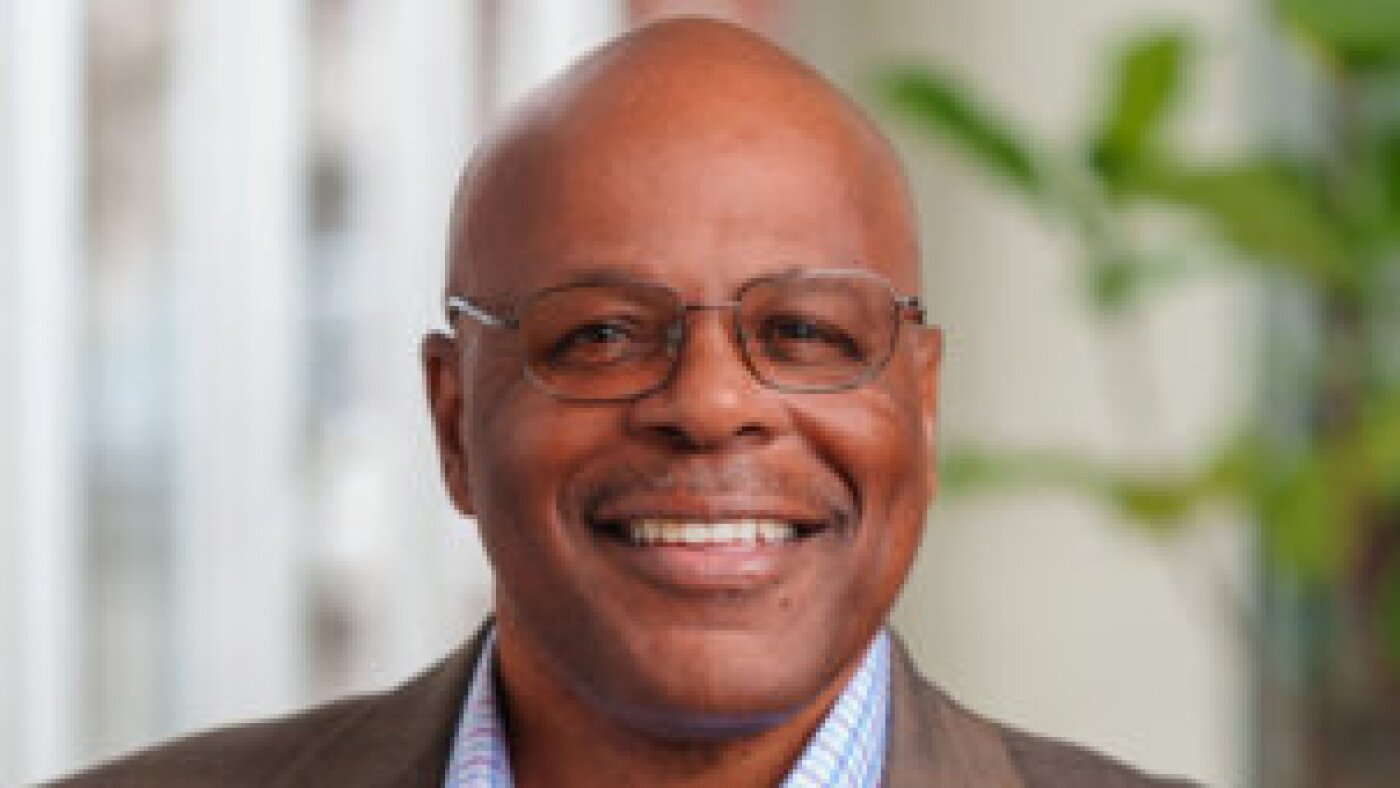
The Remarkable Journey of Calvin Duncan: From Inmate to Advocate
Calvin Duncan’s life took a dramatic turn in 1982 when he was arrested at 19 for a murder-robbery in New Orleans. Despite shaky eyewitness testimony and an inadequate defense, Duncan received a life sentence. During his incarceration, he transformed adversity into purpose by becoming a jailhouse lawyer, offering legal help to countless fellow inmates.
In the confines of the Louisiana State Penitentiary in Angola, Duncan honed his legal skills. As a participant in the Inmate Counsel Substitute Program, he provided critical legal support to those unable to afford an attorney. “In places like Louisiana, once a conviction is upheld on direct appeal, we’re not entitled to a lawyer,” Duncan remarked. “[Jailhouse lawyers] actually provide legal assistance to those individuals that cannot afford an attorney.”
Throughout his time in prison, Duncan tirelessly worked on numerous cases, driven by a commitment to fairness. He noted, “There are guys that committed their crimes. There are guys that didn’t commit their crimes. As a jailhouse lawyer, we provided assistance to everybody that we determined that was not afforded a fair trial.”
The struggle to access public records posed a significant challenge for Duncan, who often resorted to donating plasma to afford essential documents. His efforts were not in vain, as he successfully helped many inmates overturn wrongful convictions. However, getting his own case reopened proved difficult until the Innocence Project of New Orleans intervened. In 2011, after over 28 years, Duncan was released and later exonerated.
Following his release, Duncan pursued education with tenacity, earning a BA from Tulane University and a law degree from Lewis and Clark University. Today, at 60, he directs the Light of Justice program in New Orleans, aiming to enhance legal access for incarcerated individuals. “Going back to help people that need help is the thing that I live for,” he shared.
Duncan’s memoir, co-authored with Sophie Cull, titled The Jailhouse Lawyer, chronicles his compelling journey from incarceration to advocacy.
Interview Highlights
On his role as a jailhouse lawyer
Duncan explained his work as providing legal assistance to those unable to afford lawyers, akin to the role of an attorney. He emphasized the importance of reviewing records and identifying errors that could indicate a wrongful conviction. “In a nutshell, we function just like lawyers. One of the things that we can’t do as lawyers is leave the prison to provide investigations,” he stated.
On the Innocence Project taking his case
The Innocence Project New Orleans played a pivotal role in Duncan’s exoneration by uncovering evidence that proved his innocence. They revealed misconduct by detectives involved in his arrest, including attempts to fabricate evidence. “Getting access to those records proved that the detectives in my case had lied to the jury that convicted me,” said Duncan.
On being exonerated 10 years after being released from prison
In 2021, Duncan was officially exonerated, a moment he described as the second-best day of his life, following his release in 2011. He recalled, “The judge said that she’s sorry for what happened to me, but I didn’t get any reparation… What I did get when I got released was a $10 check. And I still have that $10 check.”
On his persistence despite all of his obstacles
Duncan’s unwavering hope and determination have been central to his journey. “You make sure you keep hope and make sure other people maintain hope,” he said, emphasizing the need to continue advocating for justice and highlighting the flaws in the legal system.
On the American judicial system
Critiquing the disparities in legal representation, Duncan expressed his dismay at the injustice faced by those unable to afford legal counsel. “It’s so twisted. It’s so crude to tell poor people that because you don’t have enough money to hire a lawyer, we’re not gonna give you the same justice that we’ll give somebody that could afford a lawyer,” he remarked.
Sam Briger and Anna Bauman produced and edited this interview for broadcast. Bridget Bentz, Molly Seavy-Nesper and Meghan Sullivan adapted it for the web.
This article was originally written by www.npr.org