CDC Leadership Shake-Up Amid Political and Scientific Tensions
The Centers for Disease Control and Prevention (CDC) has recently undergone a significant leadership upheaval, with its director being dismissed and several top officials resigning. This turbulent period has raised questions about the intersection of politics and public health policy in the United States.
Susan Monarez, who was appointed as director of the CDC by President Donald Trump, was terminated less than a month into her tenure. According to White House spokesperson Kush Desai, the decision was made because Monarez was not “aligned with” the President’s agenda and had refused to resign when asked. Monarez’s attorneys argue that she was targeted for prioritizing scientific integrity over political directives.
In a social media post, the U.S. Department of Health and Human Services announced Monarez’s departure. Her lawyers issued a statement countering claims of her resignation or termination notice, emphasizing her commitment to evidence-based policies.
Her attorneys, Mark Zaid and Abbe David Lowell, stated: “When CDC Director Susan Monarez refused to rubber-stamp unscientific, reckless directives and fire dedicated health experts, she chose protecting the public over serving a political agenda. For that, she has been targeted.”
Coinciding with Monarez’s dismissal, at least four senior CDC officials, including Dr. Debra Houry and Dr. Daniel Jernigan, tendered their resignations. In an email obtained by The Associated Press, Houry cited the detrimental effects of budget cuts and organizational changes on her ability to lead effectively.
Amid these developments, Dr. Demetre Daskalakis, another senior CDC official, voiced concerns regarding the appointment of vaccine skeptics to influential positions, stating in his resignation letter that it placed “people of dubious intent and more dubious scientific rigor in charge of recommending vaccine policy.”
Public health experts have expressed alarm over the leadership changes at the CDC. Dr. Robert Steinbrook from Public Citizen described the situation as “an absolute disaster for public health,” while Michael Osterholm from the University of Minnesota labeled it a “serious loss for America,” attributing this to “failed leadership of extremists” at the Department of Health and Human Services.
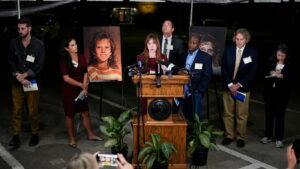
Monarez’s brief tenure was marked by challenges, including an attack near the CDC’s main entrance by a gunman blaming the COVID-19 vaccine for his depression. Although no CDC staff were harmed, the incident further contributed to the agency’s low morale.
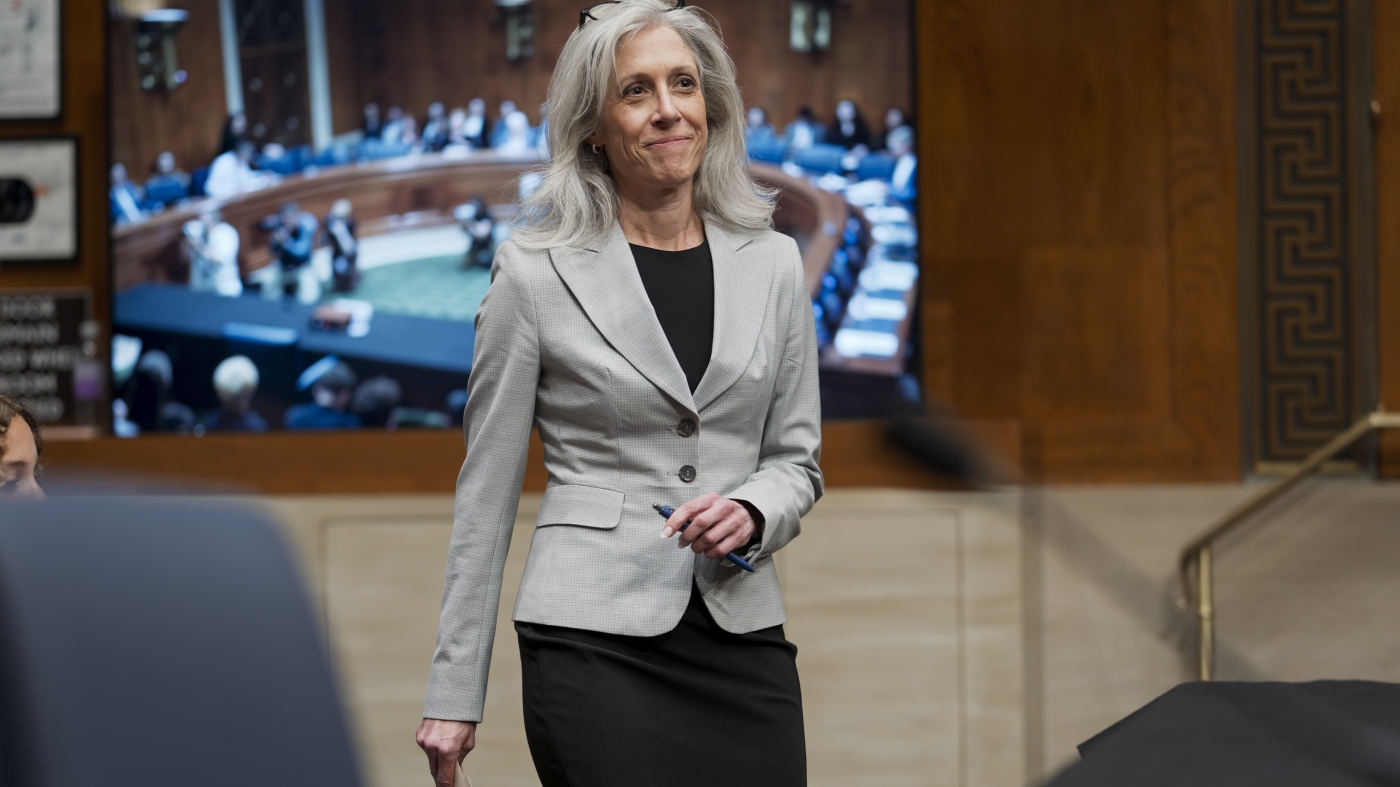
Monarez was the first CDC director to undergo Senate confirmation, a process she completed in July. Her confirmation followed President Trump’s abrupt withdrawal of his initial nomination, David Weldon. During her confirmation hearing, Monarez expressed steadfast support for vaccines and scientific evidence, but avoided direct comments on whether these stances conflicted with Health Secretary Robert F. Kennedy Jr.’s views.
Senator Patty Murray commended Monarez for her stance against political interference in the CDC’s operations, calling for Kennedy’s removal, stating: “We cannot let RFK Jr. burn what’s left of the CDC and our other critical health agencies to the ground.”
The leadership changes at the CDC and the broader Department of Health and Human Services signal ongoing tensions between scientific and political priorities in U.S. public health policy.
This article was originally written by www.npr.org