Security and Free Speech Concerns Rise After Tragic Event at Utah Valley University
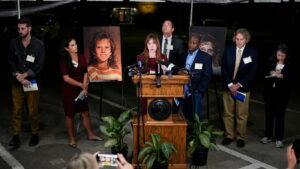
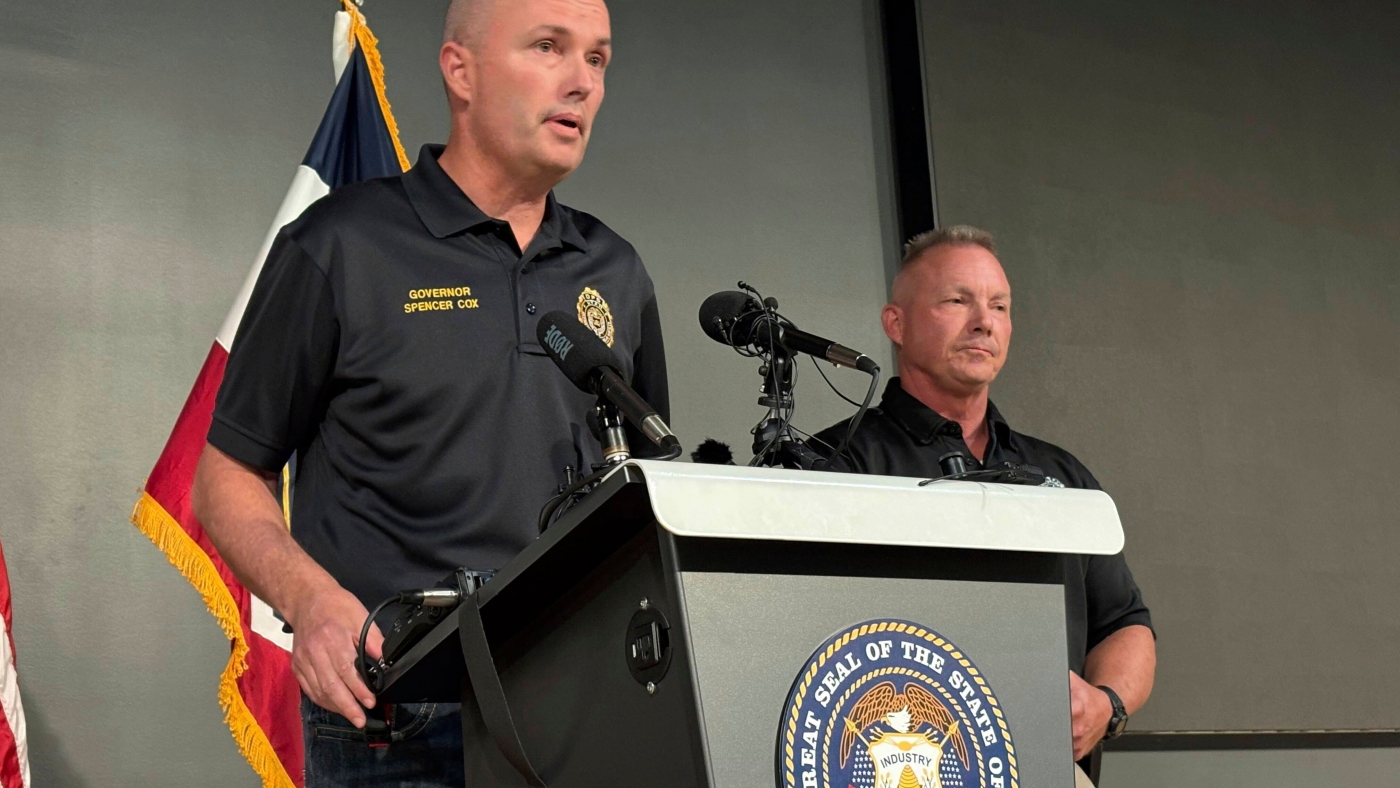
In the wake of a tragic incident at Utah Valley University where Charlie Kirk was shot and killed during an outdoor event, university officials and law enforcement are re-evaluating security measures and the balance of free speech on campuses. The shooting has sparked a broader conversation about how such events are managed and the potential implications for future gatherings.
The incident occurred at an event attended by roughly 3,000 people, held in an amphitheater-like area on campus. Authorities suspect the fatal shot was fired from a rooftop overlooking the gathering. Despite the presence of six university police officers and Kirk’s personal security team, some attendees felt the security was insufficient, pointing out the absence of bag checks at the entrance.
Richard Beary, a former police chief at the University of Central Florida, commented on the challenges of securing events with controversial figures. “Any time you have this type of violence, it’s a game changer,” he stated, emphasizing the difficulty in determining appropriate security measures, which depend heavily on the perceived risk level.
The delicate balance between maintaining safety and ensuring free expression is a longstanding issue for organizations like the Foundation for Individual Rights and Expression (FIRE). Robert Shibley, FIRE’s special counsel, highlighted the importance of protecting democratic debate, especially in academic settings. “Whether it’s Charlie Kirk or Salman Rushdie … these folks who are brave enough to come out and talk about their own controversial views in front of large numbers of people, that’s a fundamental part of how our democracy is supposed to work,” said Shibley.
FIRE’s recent College Free Speech ranking pointed out a troubling trend: an increasing number of students see shouting down speakers or even using violence as acceptable methods to silence certain speech. This has raised concerns about what some are calling an “assassin’s veto.”
Shibley expressed his concerns over the potential for escalating violence. “The more acceptable people see violence as being, the more likely we are to see people resort to that,” he warned, fearing a cycle of political violence.
Despite these challenges, some campus police chiefs, like Rodney Chatman of Brown University, do not anticipate drastic changes. Chatman, who is also vice president of the International Association of Campus Law Enforcement Administrators, suggests that while there may be increased diligence in planning, it should still be possible to host large outdoor events featuring controversial speakers. “Universities are a microcosm of our society,” he noted, emphasizing the importance of maintaining campuses as forums for the exchange of ideas, albeit with enhanced planning and cooperation with law enforcement.
This article was originally written by www.npr.org